Structural Surveys & Repair
Specialists in structural assessment, underpinning, subsidence, and damp treatment
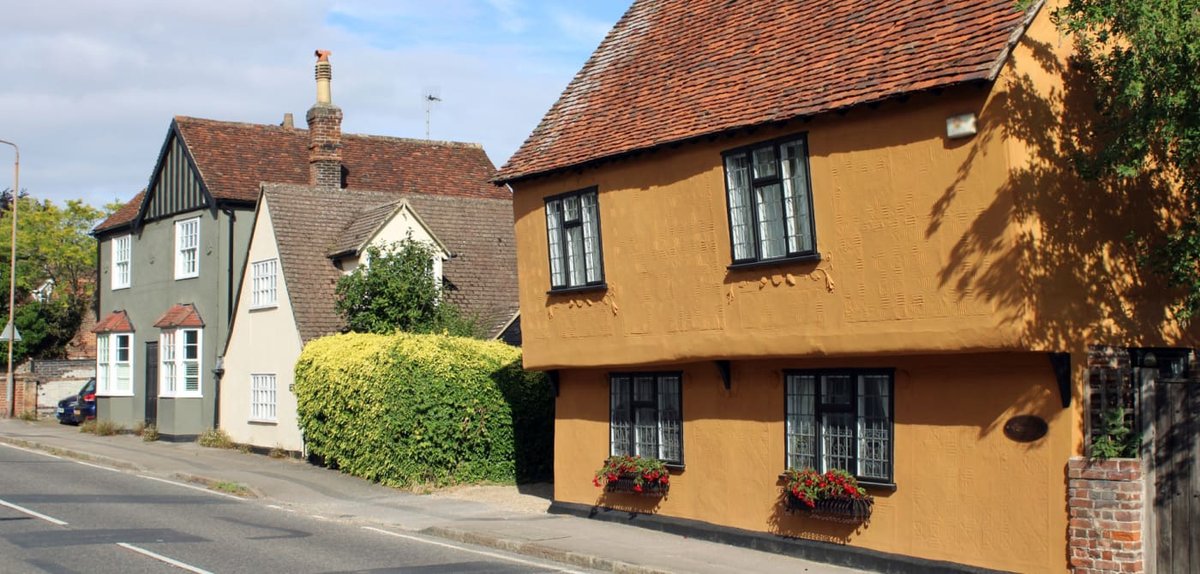
Period properties were built using construction methods that differ fundamentally from modern buildings. Understanding their structural behaviour requires specific expertise that general surveyors and engineers may not possess. What looks like a serious structural problem in modern terms may be normal for a 200-year-old building, while apparently minor issues can sometimes indicate serious concerns.
Last updated: 25 October 2026

































Our Structural Services
Discover the specialist services available for your period property
Structural Survey
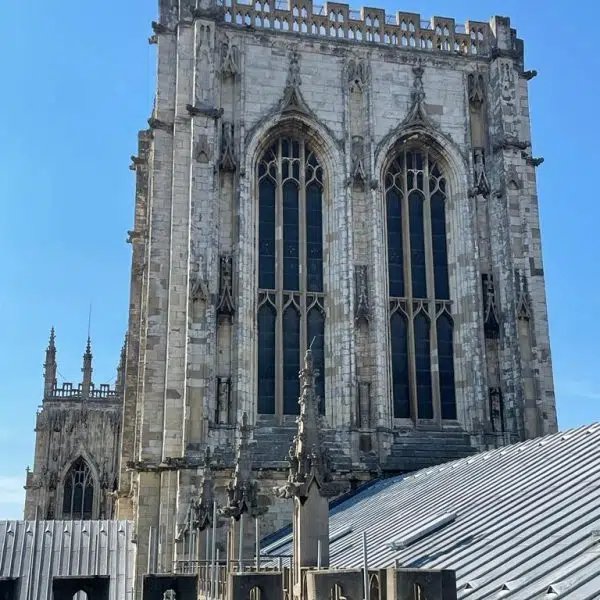
A structural survey for a period property should go beyond standard building surveys to assess the building's structural history and behaviour. This includes understanding original construction methods, identifying alterations made over time, and evaluating any movement, cracking, or settlement in context. Period buildings often show evidence of historic movement that has long since stabilised - an experienced surveyor can distinguish this from ongoing problems. Survey findings inform decisions about purchase, maintenance priorities, and the need for any specialist intervention.
Damp Survey & Treatment
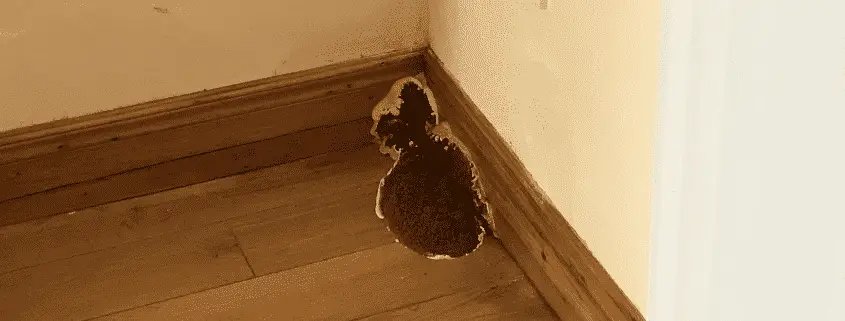
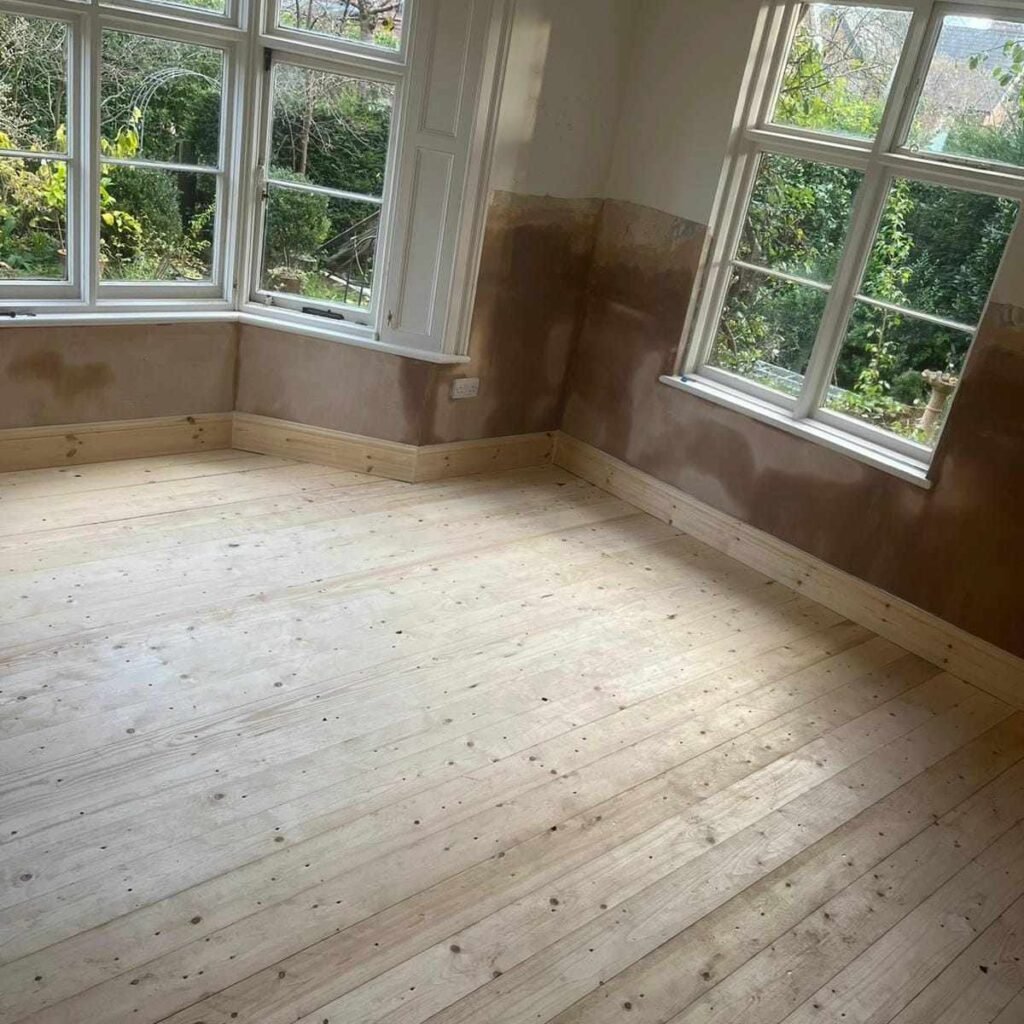
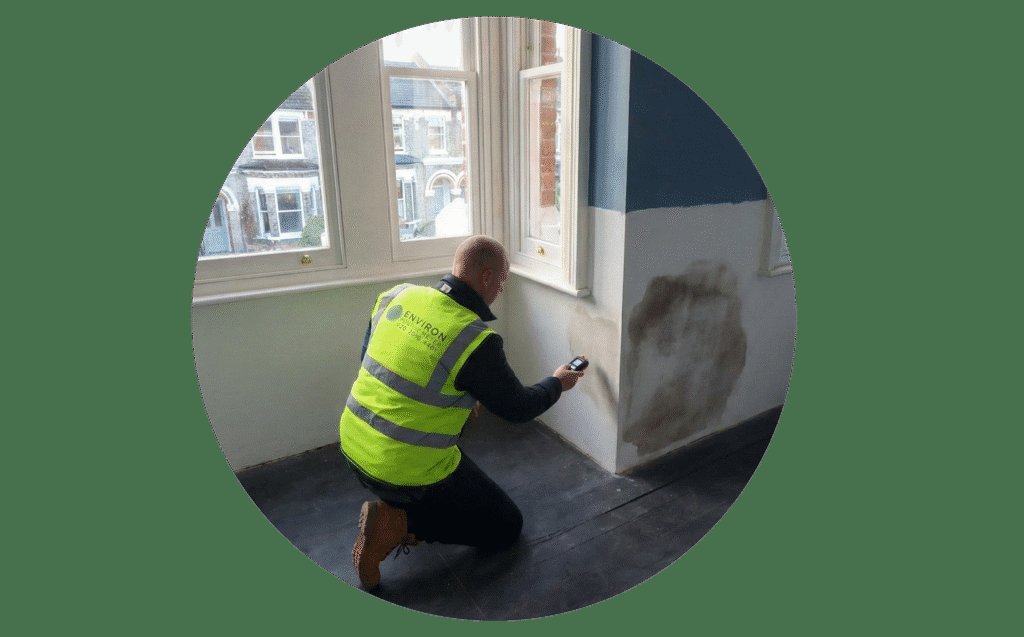
Damp in period properties is complex because traditional buildings were designed to manage moisture differently from modern construction. They use breathable materials - lime mortars, soft bricks, and permeable renders - that allow moisture to evaporate safely. Most damp problems in old buildings result from inappropriate modern interventions: cement renders, gypsum plaster, non-breathable paints, and raised external ground levels. A proper damp survey diagnoses the actual cause rather than relying on surface moisture meters. Treatment addresses the root cause, often involving removal of modern materials and restoration of breathability, rather than injected chemical damp-proof courses.
Subsidence Repair
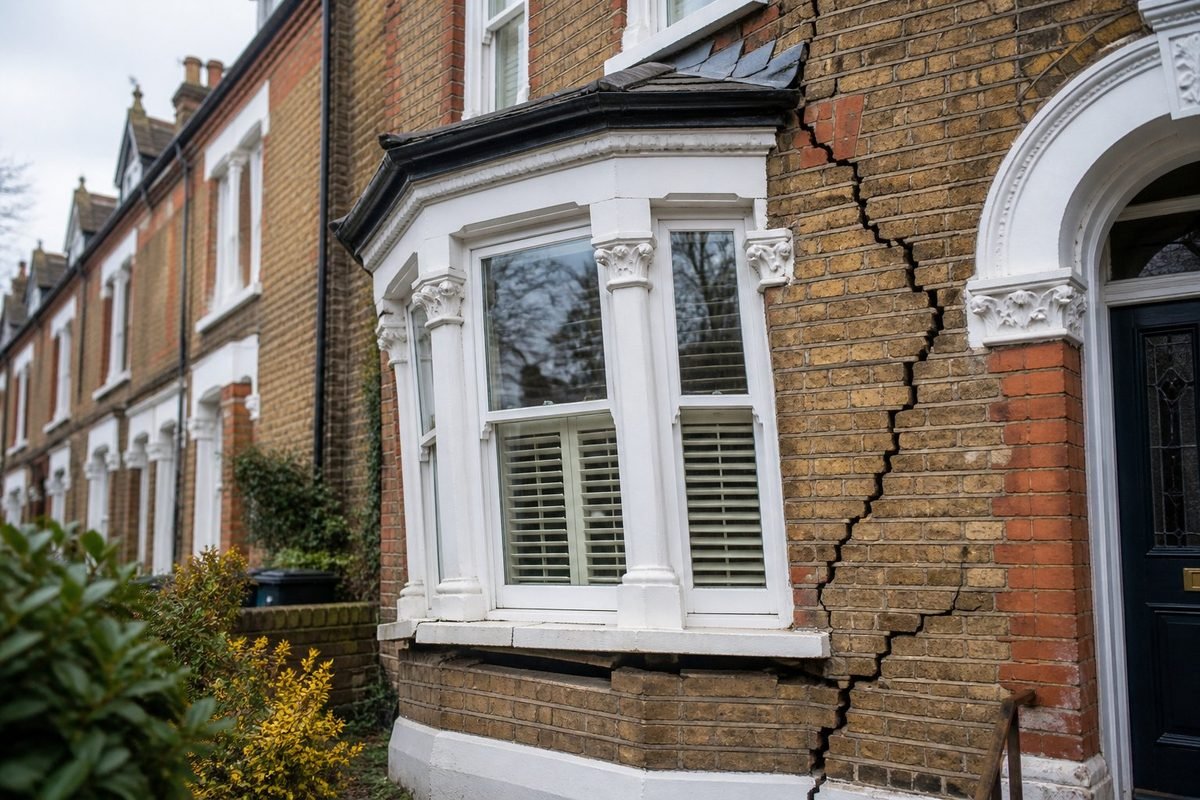
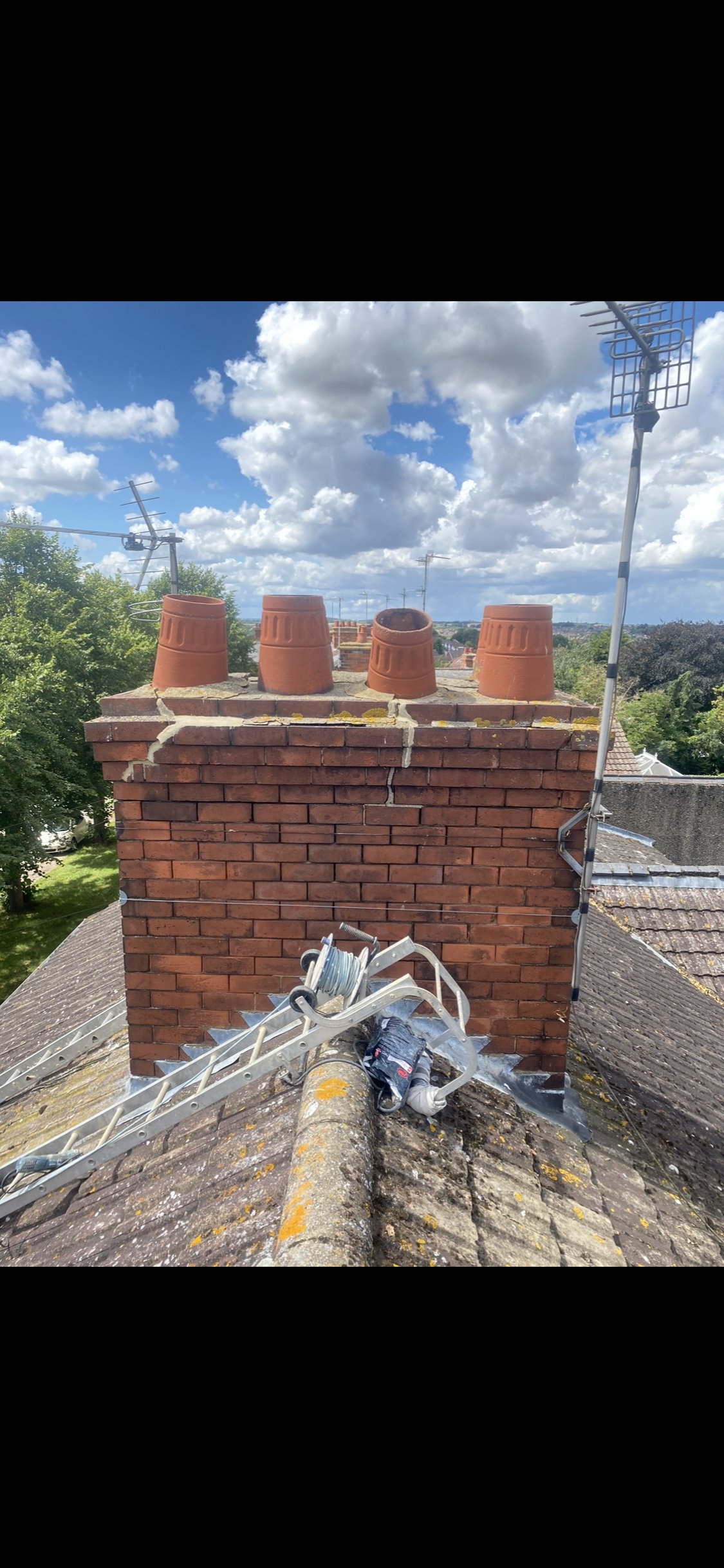
Subsidence occurs when the ground beneath foundations moves downward, typically due to clay shrinkage during dry weather, tree root activity, or washing away of soil. It causes diagonal cracking, often worse around windows and doors. Not all cracking indicates subsidence - settlement (downward movement under the building's weight) and heave (upward movement of clay soils) have different causes and solutions. Investigation typically involves monitoring crack movement over time, trial pits to examine foundations, and sometimes soil analysis. Treatment may range from tree management to underpinning, depending on the cause and severity.
Underpinning
Underpinning strengthens or extends existing foundations, usually to address subsidence or allow deeper excavation nearby. Traditional mass concrete underpinning involves excavating beneath existing foundations in short sections and filling with concrete. Modern alternatives include mini-piling and resin injection. The choice depends on ground conditions, access, and the building's construction. Period properties require careful assessment - their shallow foundations and lime mortar construction differ from modern buildings, and inappropriate underpinning techniques can cause more problems than they solve.
Why Use Historic Building Structural Specialists?
Period buildings behave differently from modern construction, and conventional approaches to structural assessment and repair often cause damage. Specialists understand how old buildings work.
- Understanding of traditional construction methods and materials
- Experience distinguishing historic movement from active problems
- Knowledge of appropriate repair techniques for lime-built structures
- Awareness of how inappropriate interventions cause damage
- Ability to work sensitively within listed building constraints
Typical Costs for Structural Work
Structural work varies enormously in scope and cost. The following ranges are very general guides only.
| Service | Typical Cost |
|---|---|
| Structural survey - period property | £600 - £1,500 |
| Damp survey - independent | £250 - £500 |
| Crack monitoring (6-12 months) | £300 - £600 |
| Underpinning (per metre) | £1,500 - £3,000 |
| Resin injection underpinning | £5,000 - £15,000 |
Structural work costs depend on findings from investigation. Never accept quotes without proper diagnosis first.
Frequently Asked Questions
Common questions about structural services for period properties
My period property has cracks. Should I be worried?
Cracks in old buildings are common and often not serious. Historic movement - from settlement when the building was new, or past events like nearby construction - may have caused cracking that stabilised long ago. The key question is whether cracks are active (still moving). Monitoring with tell-tales or precise measurement over several months reveals whether movement is ongoing. Hairline cracks and minor settlement cracking rarely require structural intervention.
Do I need a chemical damp-proof course?
Probably not. Injected damp-proof courses are heavily oversold. Most damp in period buildings results from loss of breathability (cement pointing, gypsum plaster, non-breathable paints), raised external ground levels, or failed rainwater goods. Address these causes and 'rising damp' usually resolves without injection. Independent damp specialists (not linked to treatment companies) can provide honest diagnosis.
What causes subsidence?
The most common cause is clay shrinkage - clay soils shrink when they dry out, particularly during hot summers or when trees extract moisture. Tree roots are often implicated. Other causes include washout of sandy soils by leaking drains, mining subsidence, and in coastal areas, erosion. Investigation determines the cause, which then informs the solution - which may be tree management rather than underpinning.
Will my insurance cover subsidence?
Most buildings insurance covers subsidence damage, though you'll typically pay an excess of £1,000 or more. However, insurers increasingly favour monitoring and tree management over underpinning where possible. If you're buying a property with previous subsidence, obtaining insurance may be difficult or expensive. Always declare known subsidence when applying for insurance.
Are you a structural specialist?
Join our directory and connect with homeowners across the UK who are looking for your expertise in period property restoration.
List Your Business