Decorative Plasterwork & Restoration
Master craftsmen specialising in cornices, ceiling roses, and ornamental plaster mouldings
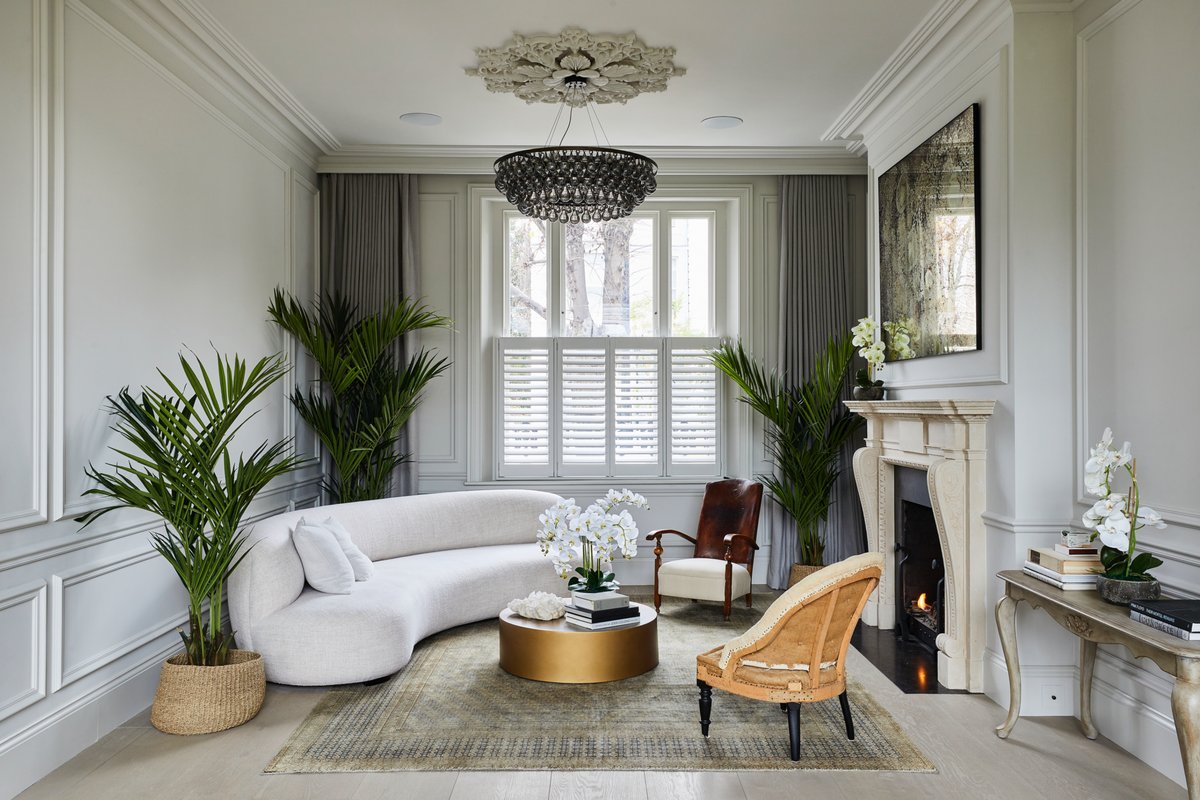
Decorative plasterwork is one of the defining features of Georgian, Victorian, and Edwardian interiors. From elaborate ceiling roses and ornate cornices to classical columns and intricate friezes, these elements transform ordinary rooms into architectural statements. Whether you're restoring damaged original features or adding period-appropriate details to a plain room, finding a skilled specialist is essential.
Last updated: 25 October 2026
















Our Decorative Plaster Services
Discover the specialist services available for your period property
Cornice Restoration
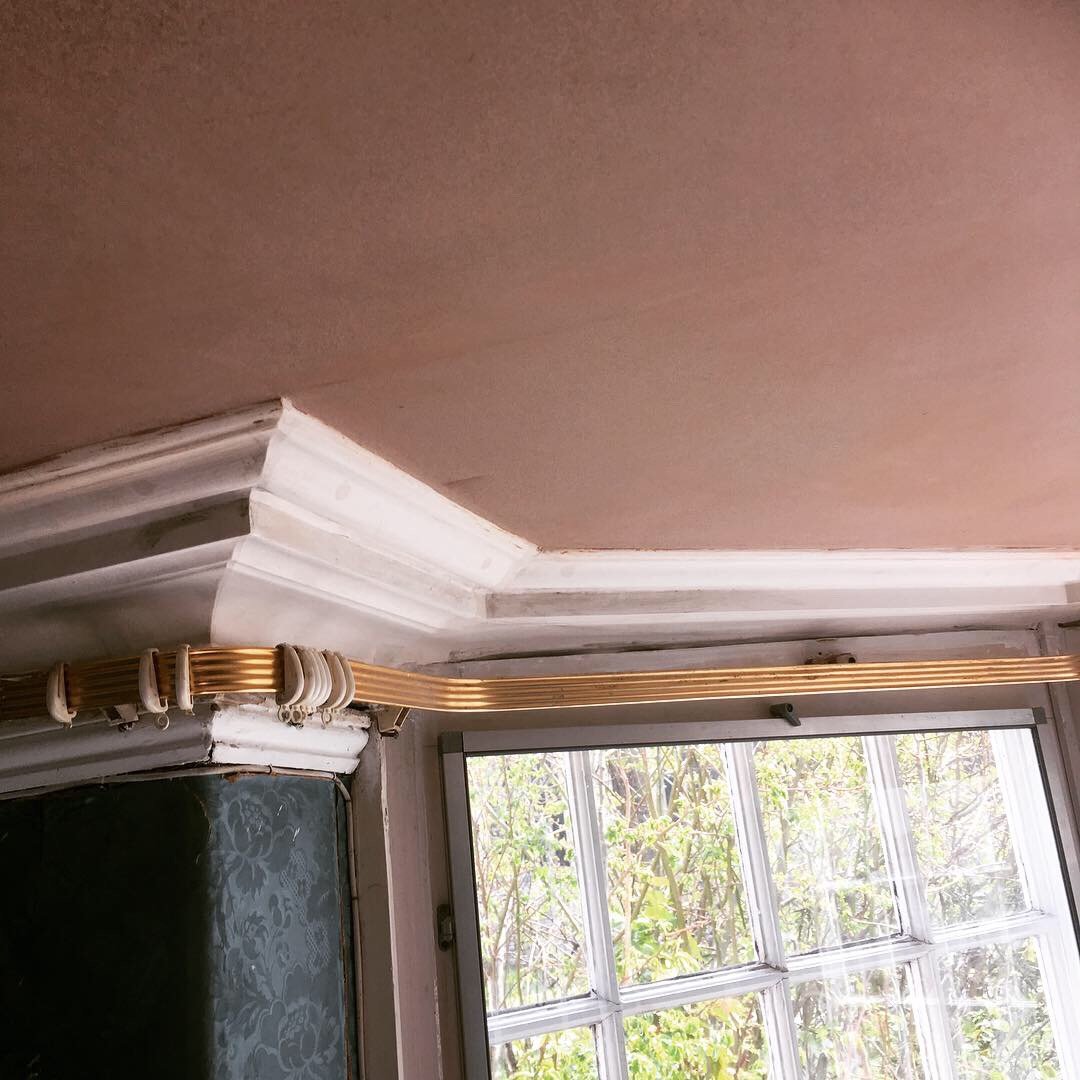
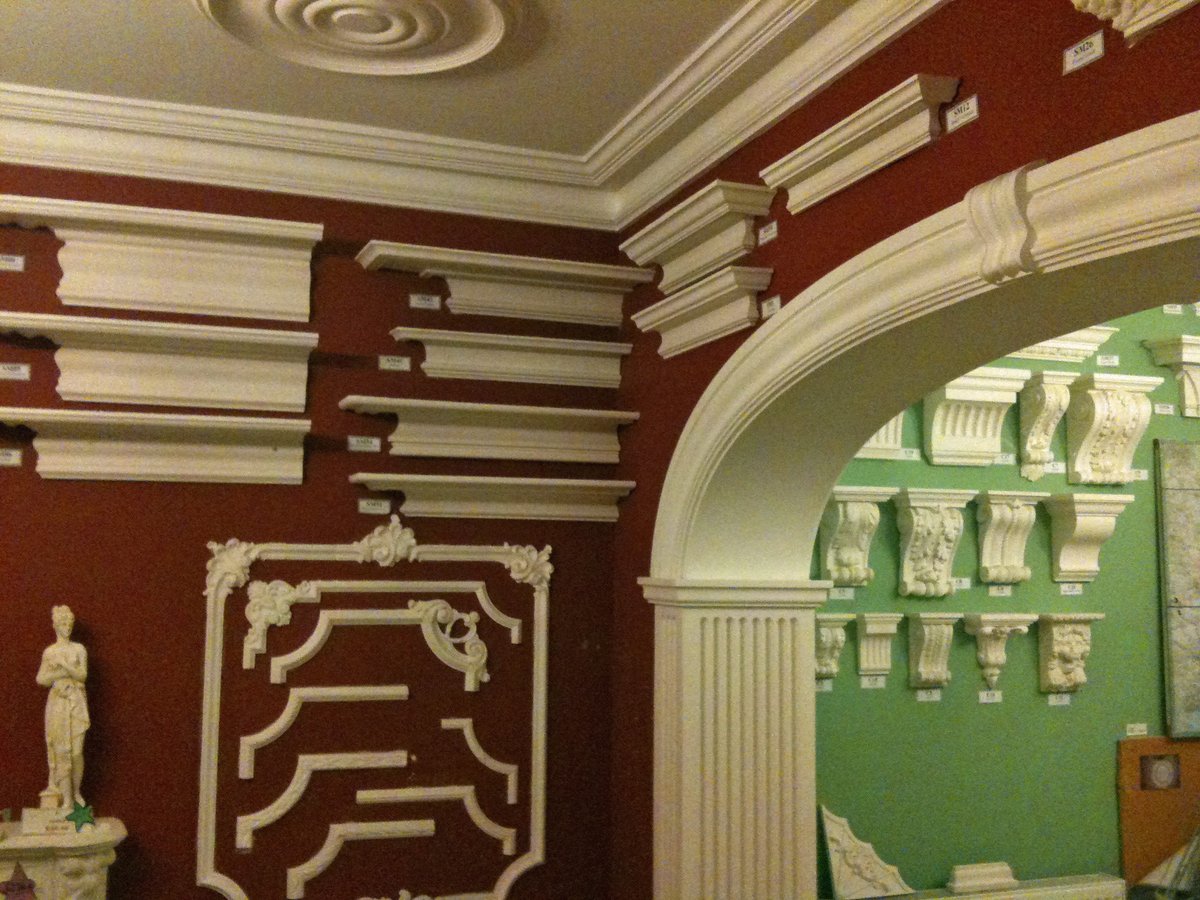
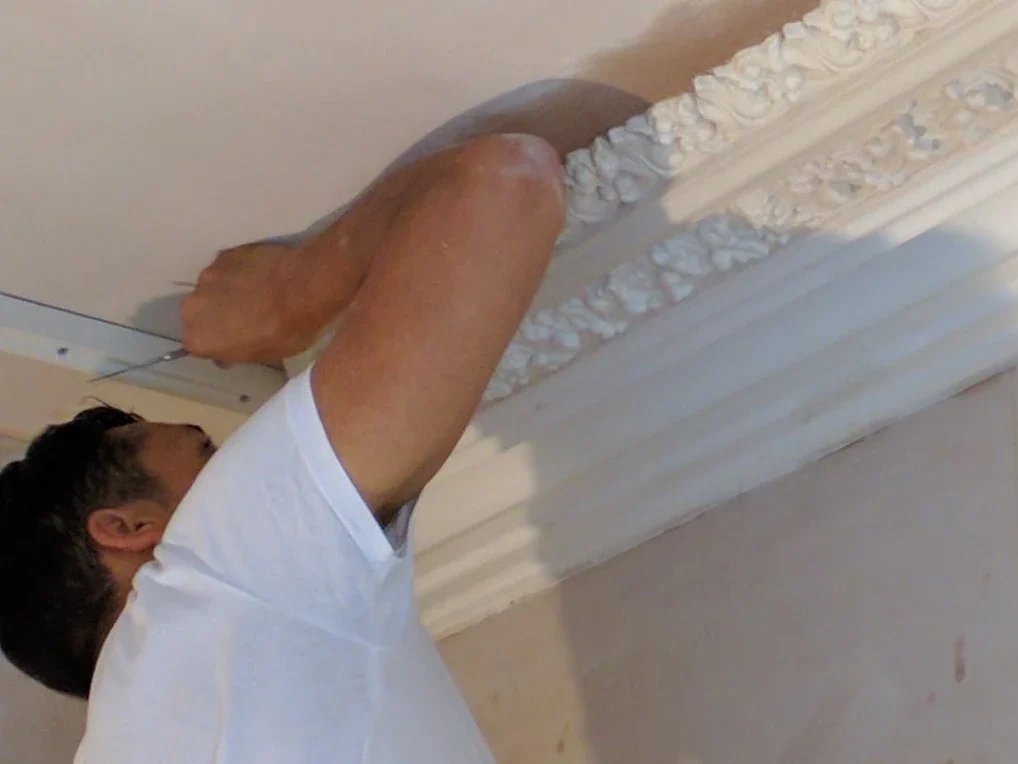
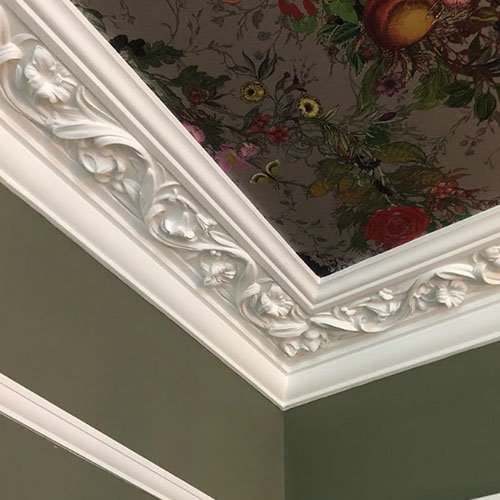
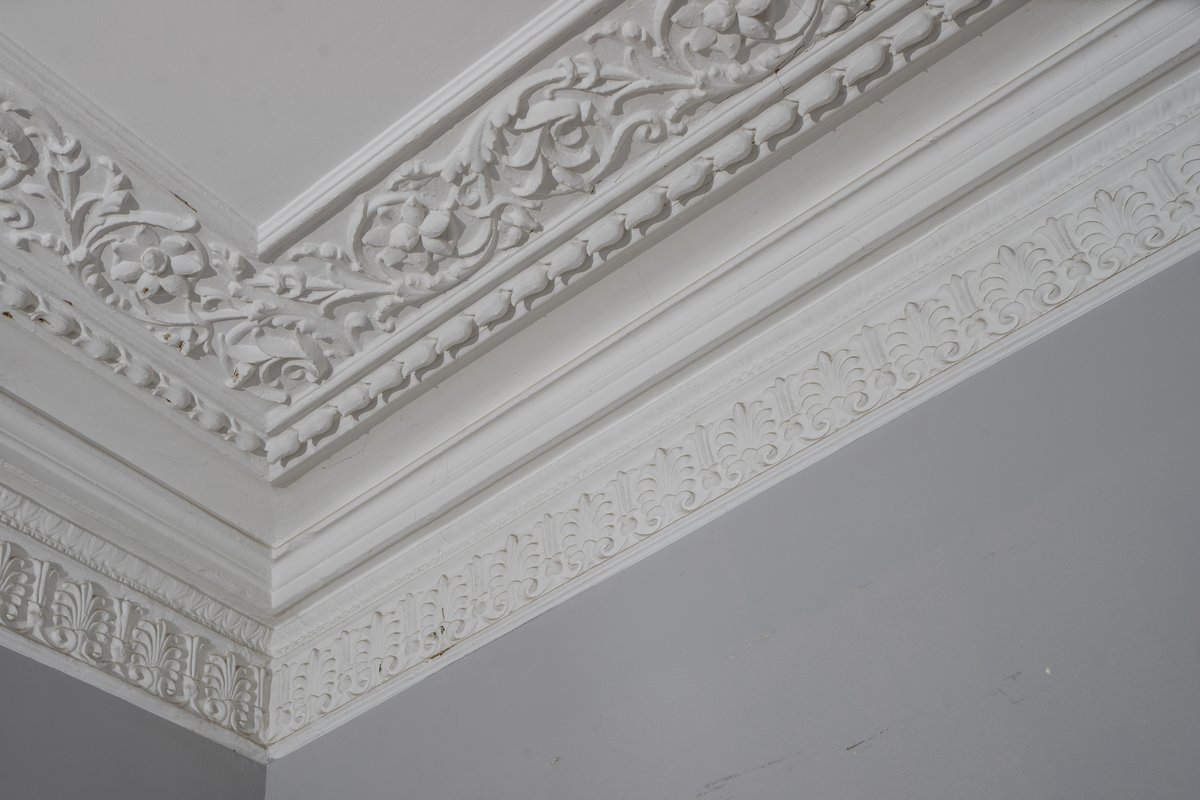
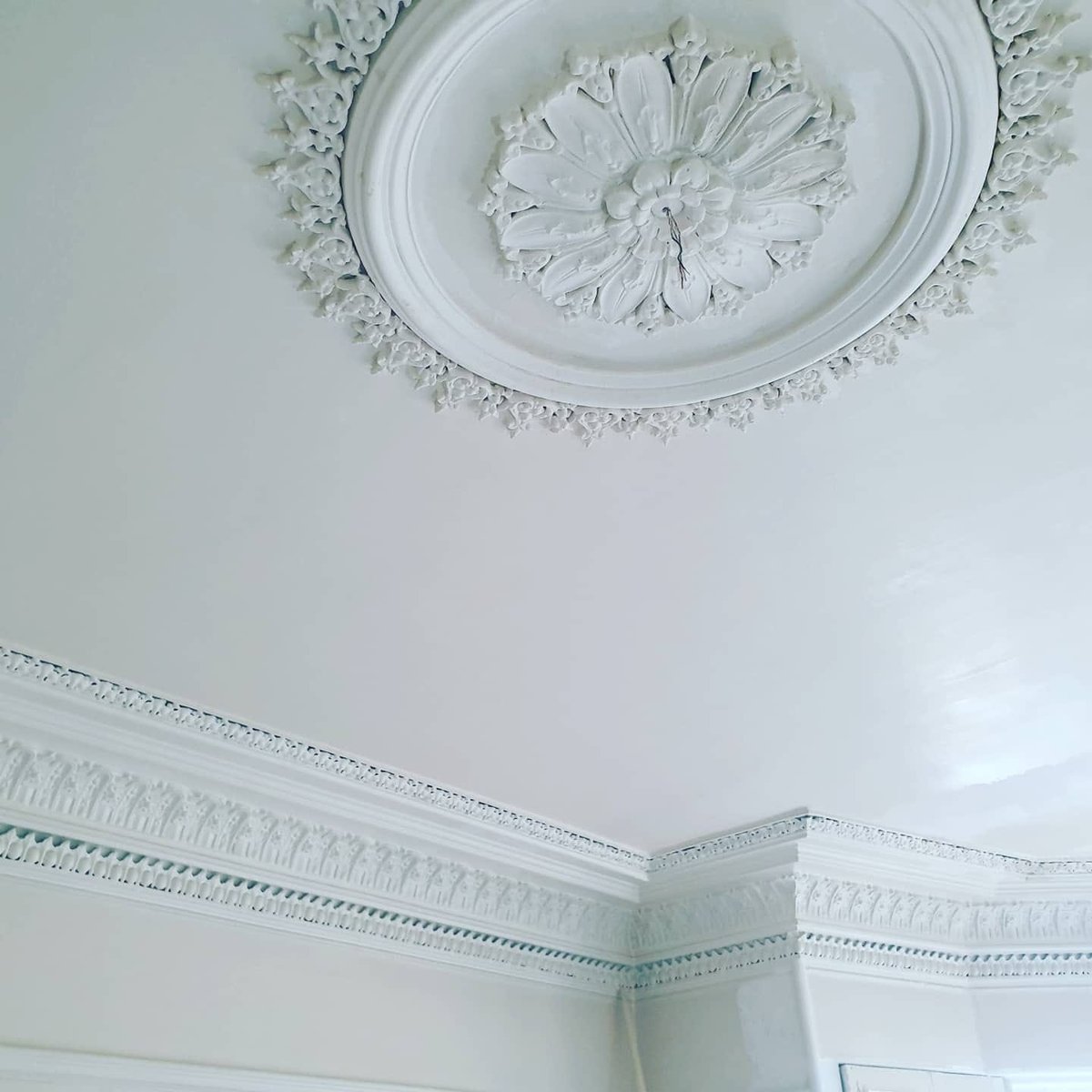
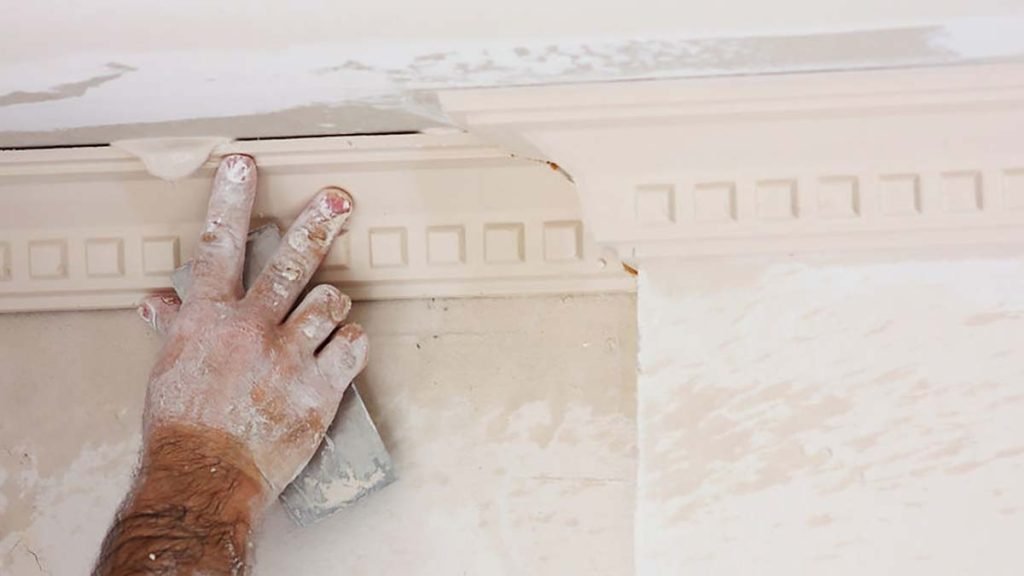
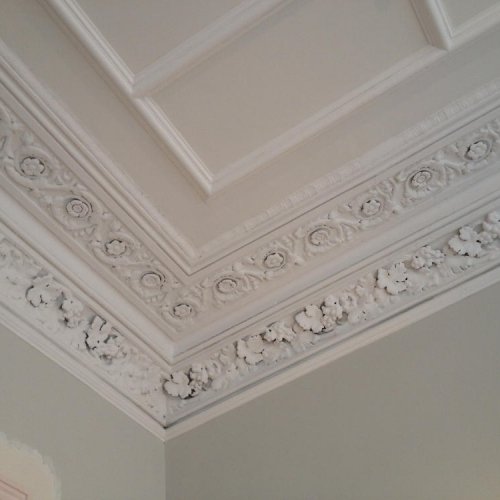
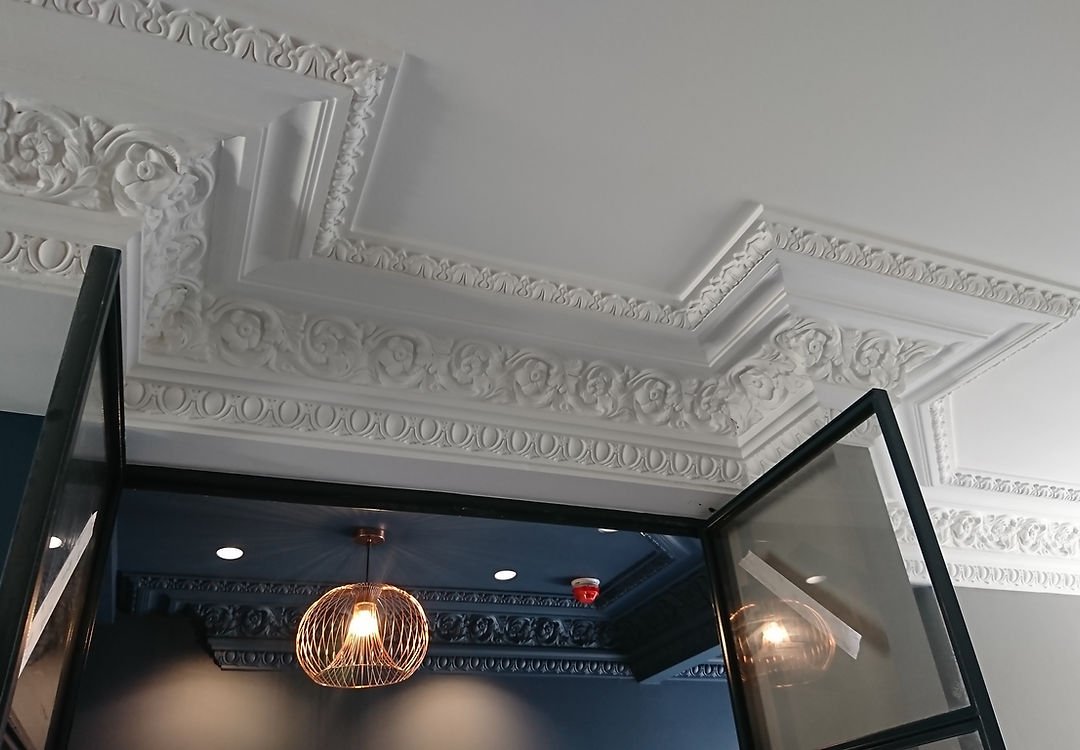
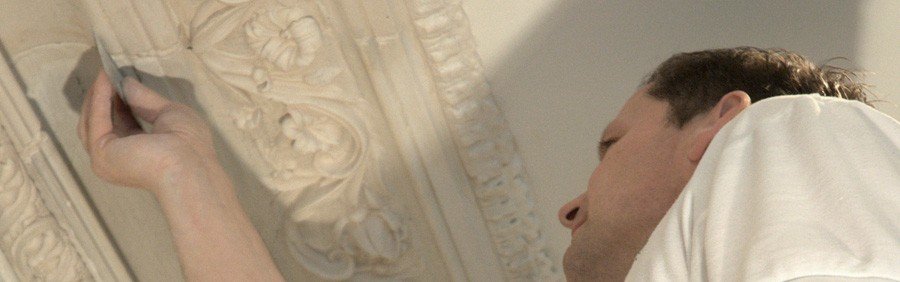
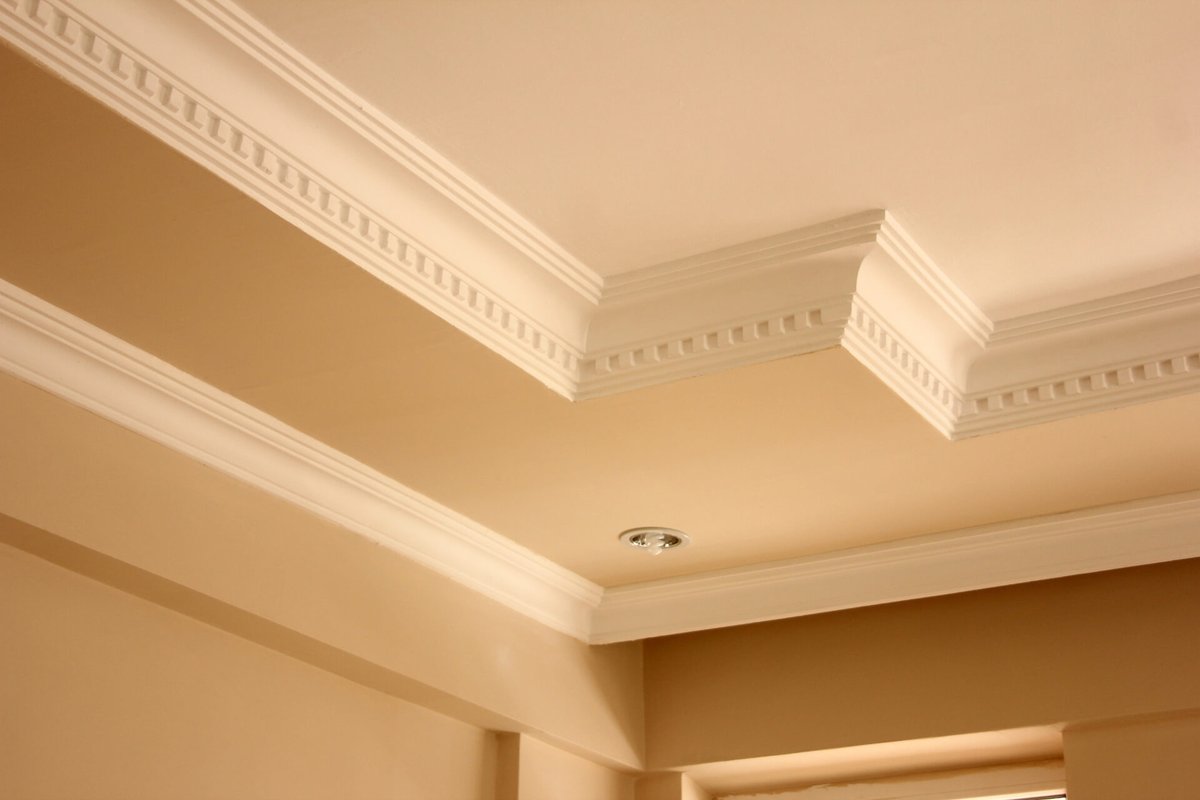
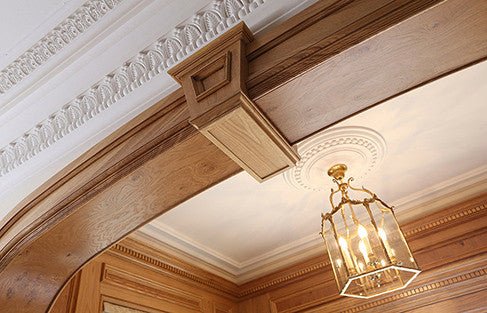
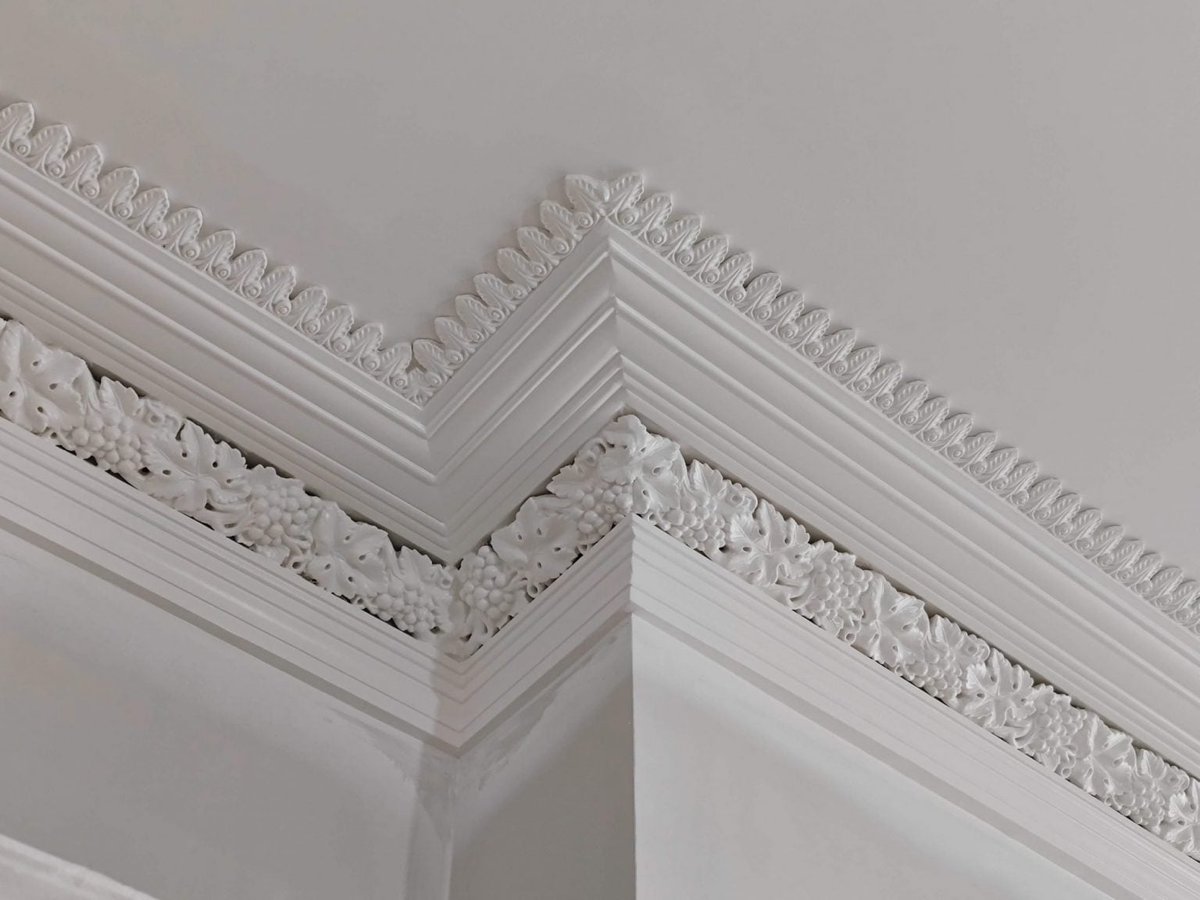
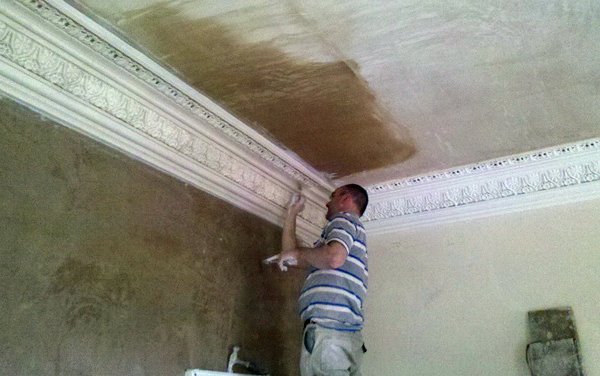
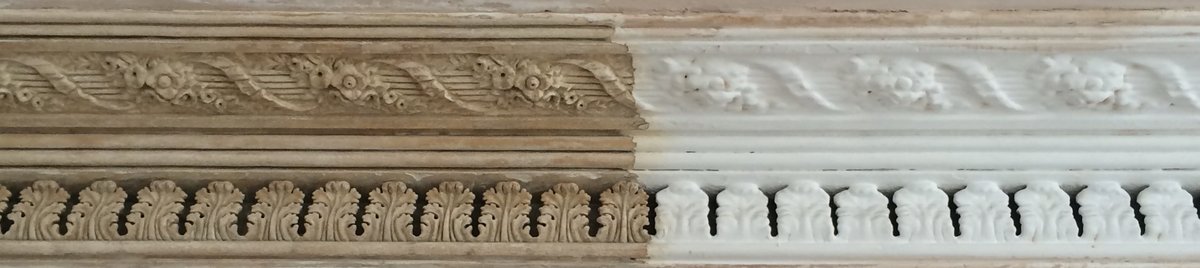
Cornice restoration involves repairing or replacing the decorative moulding that runs around the junction of walls and ceiling. Period cornices range from simple coved profiles to elaborate multi-element designs with dentils, egg-and-dart motifs, and acanthus leaves. Damage commonly occurs from water ingress, structural movement, or careless previous alterations. A skilled plasterer can repair missing sections by taking a mould from surviving areas and casting matching pieces, or by running new sections in situ using a metal template cut to the profile. In some cases, an entire cornice may need replacement to achieve a uniform finish.
Ceiling Roses
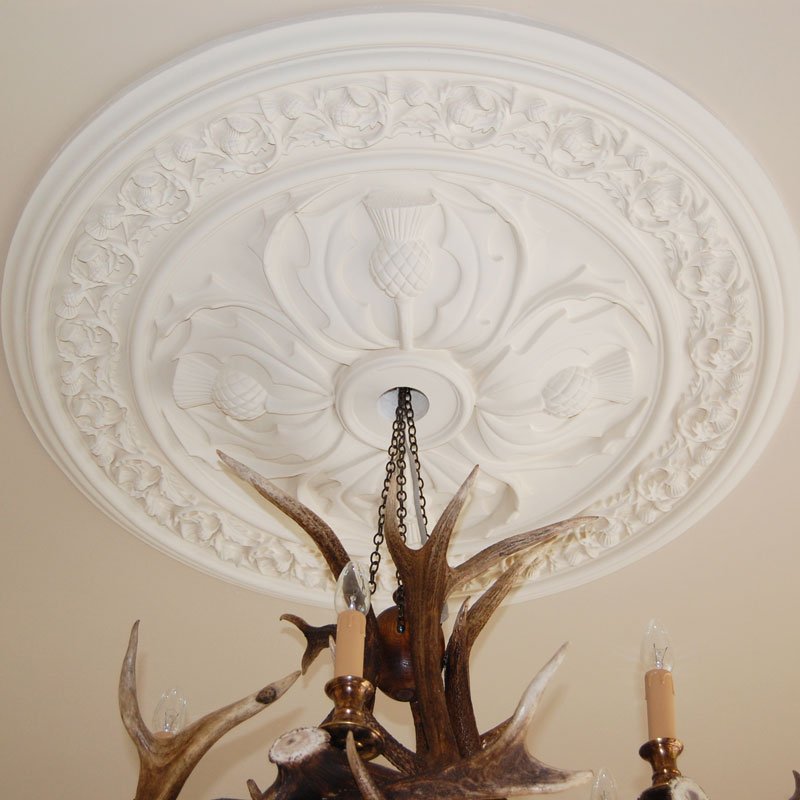
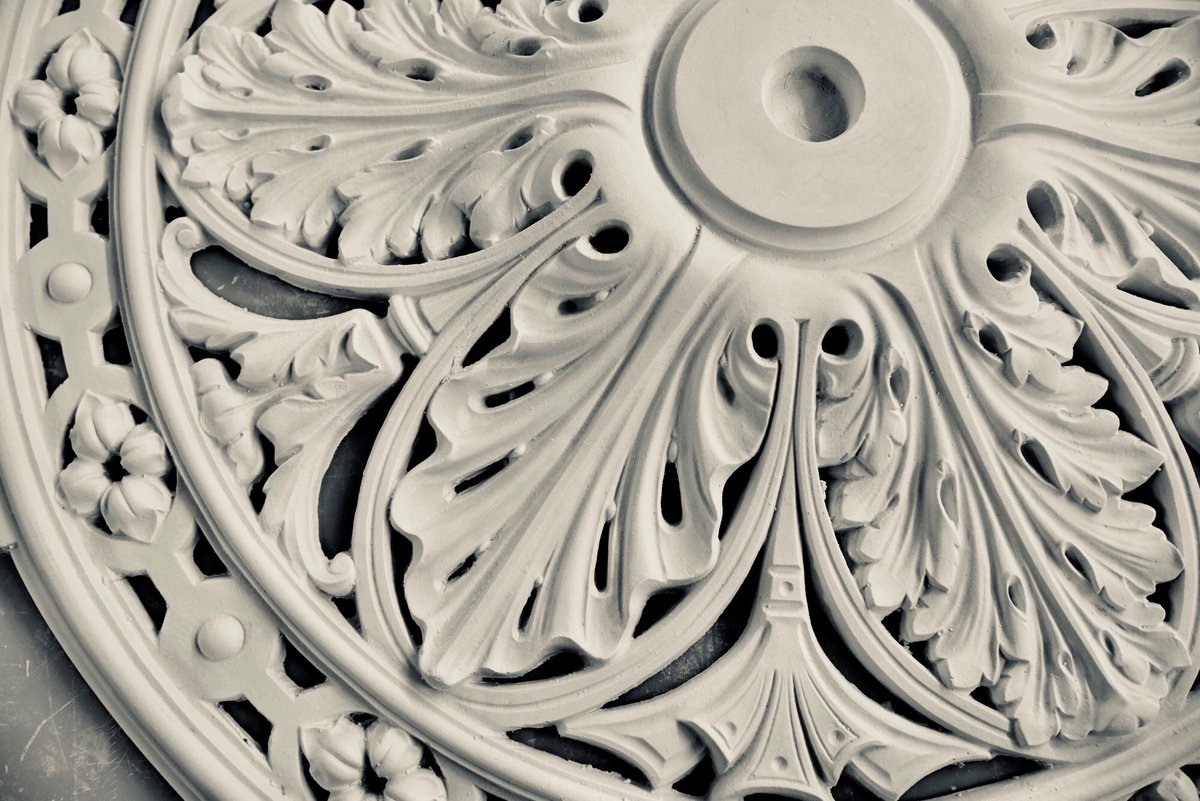
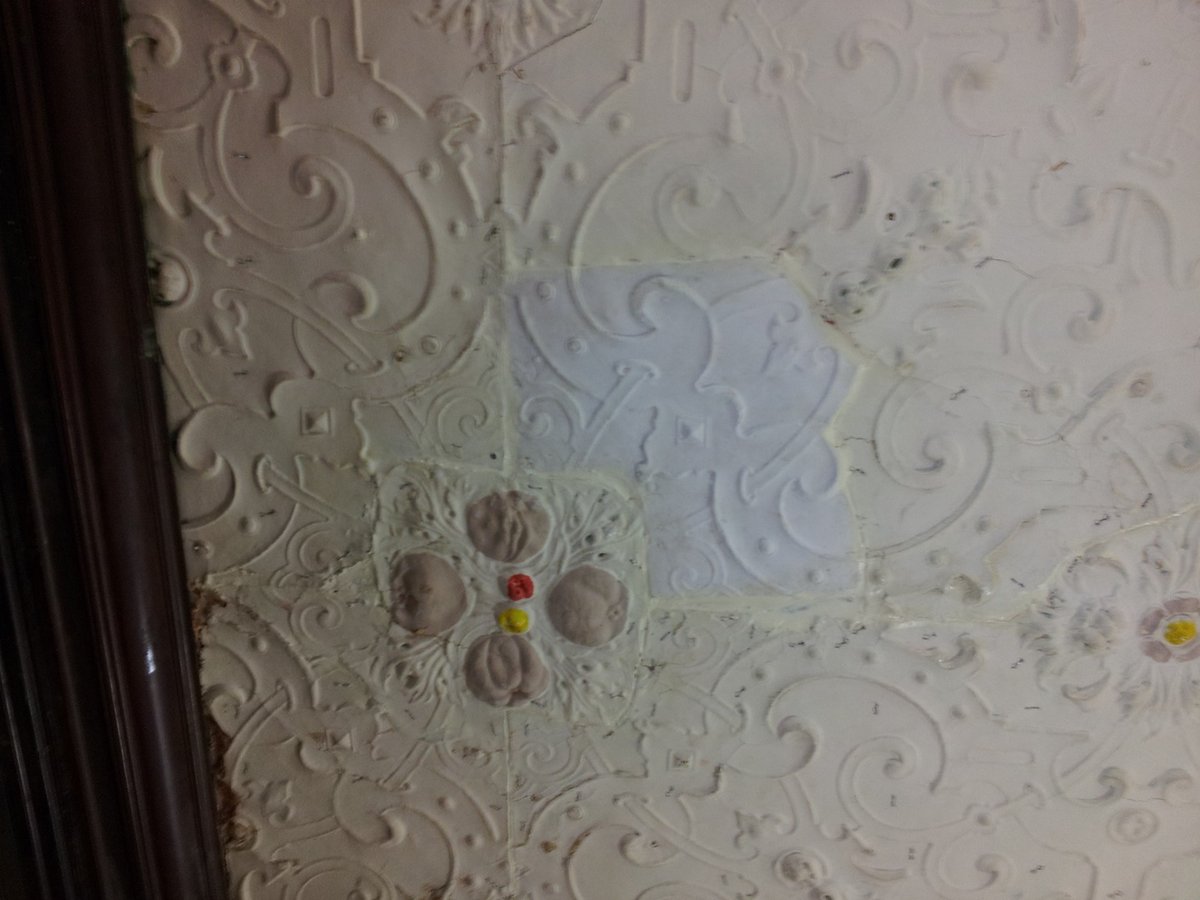
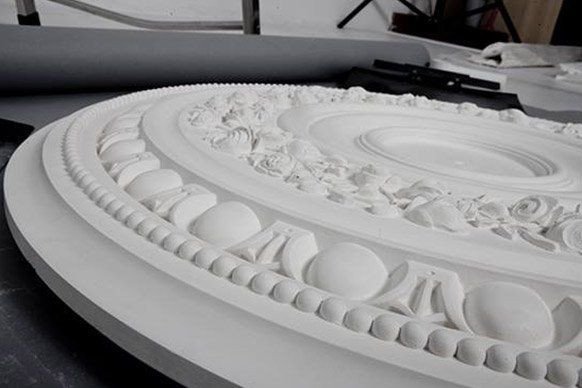
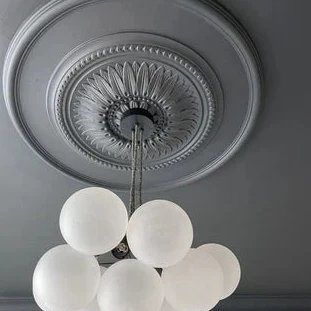
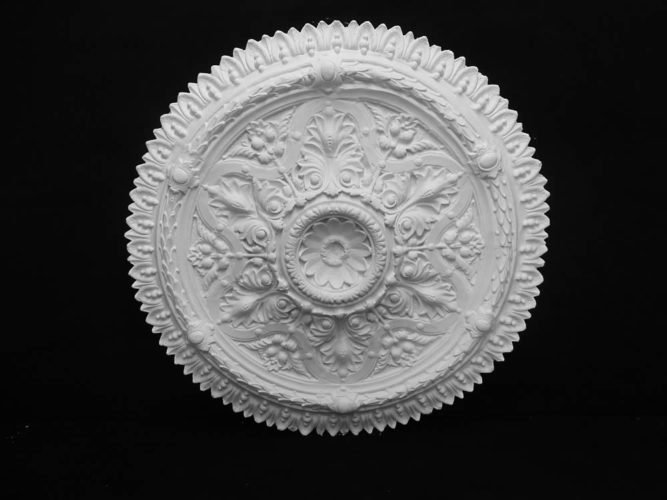
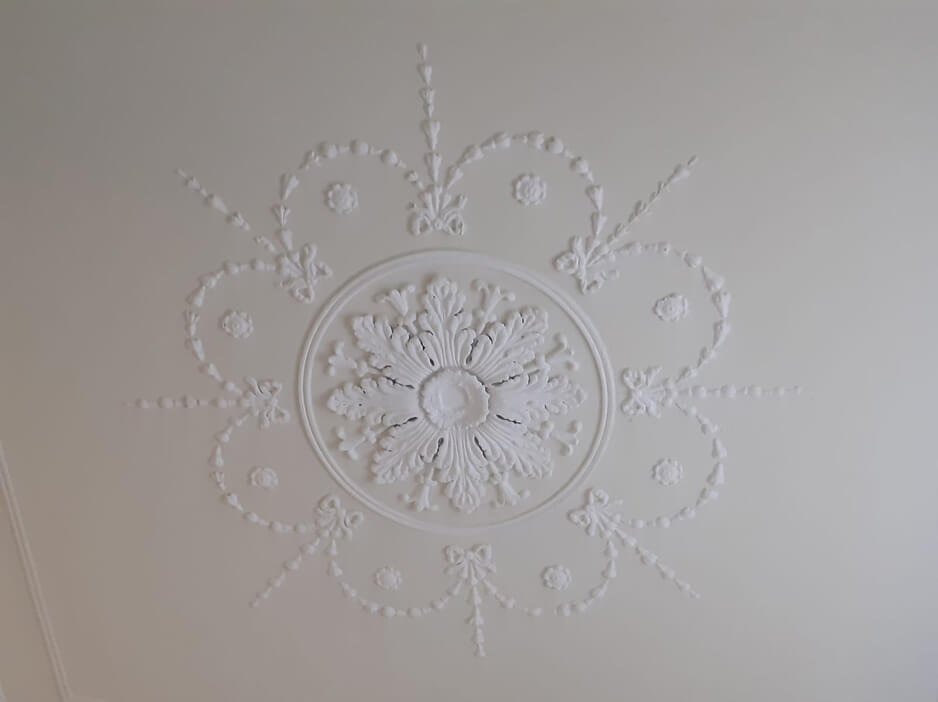
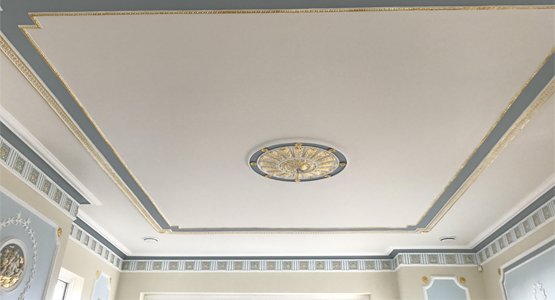
Ceiling roses were originally designed to provide ventilation for gas lighting while serving as decorative centrepieces. They range from simple concentric ring designs to elaborate floral compositions several feet in diameter. Original ceiling roses can suffer from cracking, water damage, or loss of fine detail under layers of paint. Restoration may involve careful cleaning to reveal original detail, filling cracks with appropriate materials, and recasting missing elements. New ceiling roses in period styles are readily available as fibrous plaster castings, though bespoke designs can be created for unusual or listed properties.
Decorative Plasterwork
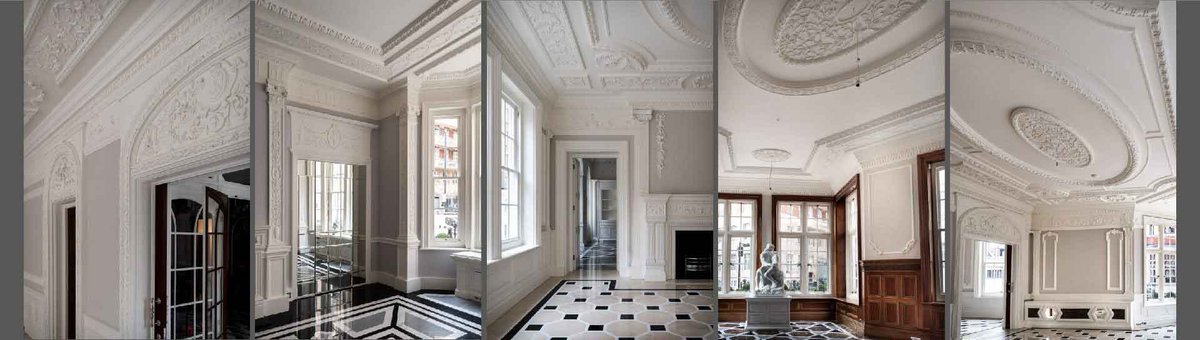
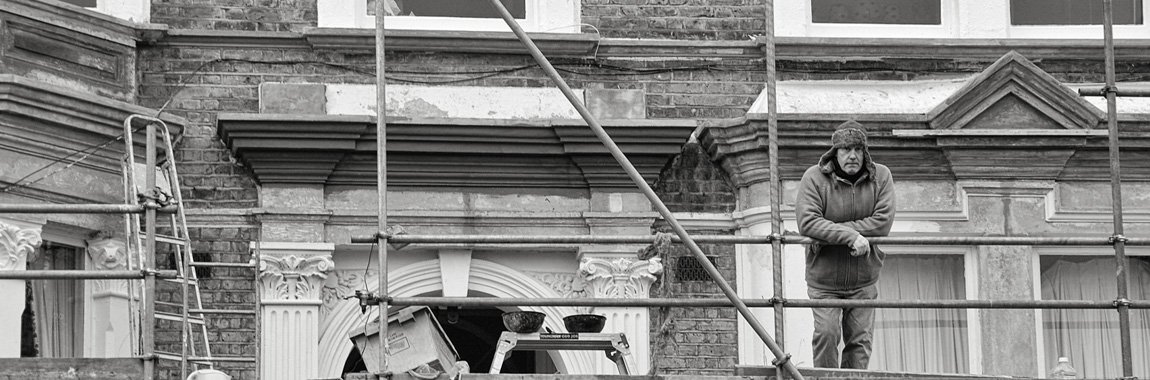
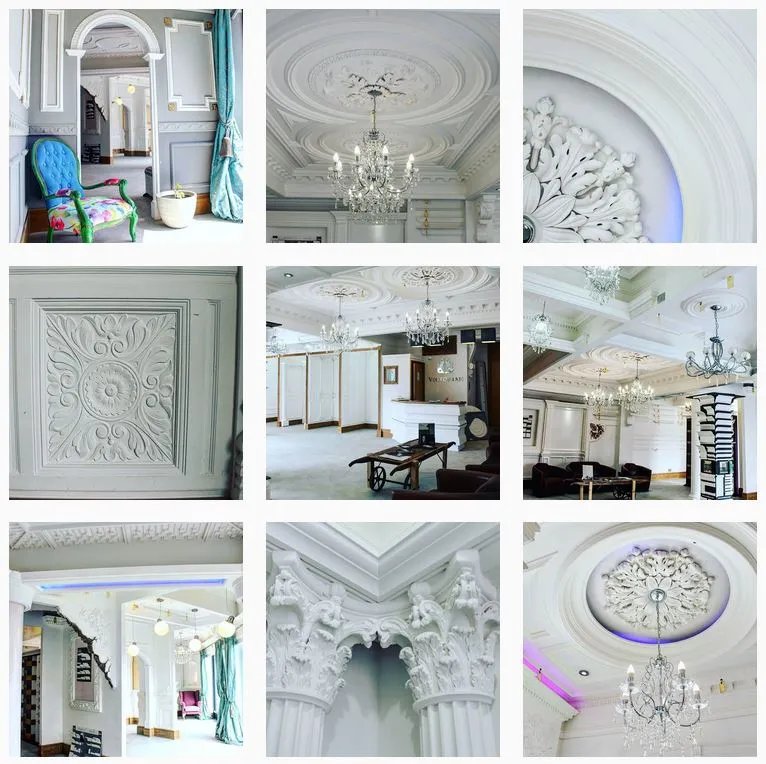
Beyond cornices and ceiling roses, period properties may feature a wide range of decorative plaster elements including wall panels, pilasters, columns, niches, architraves around doors and windows, and elaborate ceiling designs. Creating or restoring these features requires understanding of classical proportions, historical accuracy, and practical application techniques. Master plasterers can model new designs in clay before casting in plaster, match existing damaged work from photographs or fragments, and advise on period-appropriate treatments for different eras and architectural styles.
Fibrous Plaster
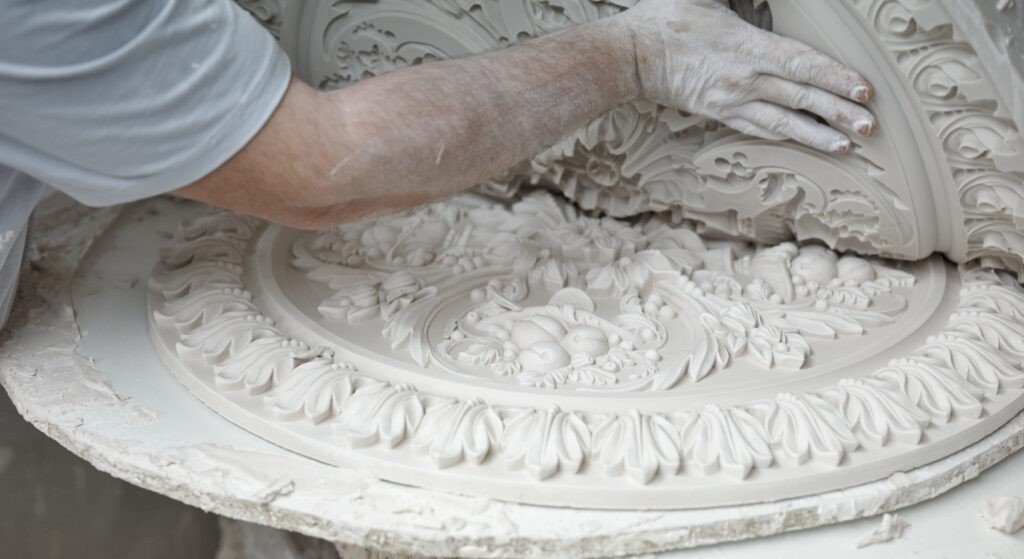
Fibrous plaster is a manufacturing technique where plaster is reinforced with hessian scrim or fibreglass to create lightweight but strong panels and mouldings. Developed in the 19th century, it revolutionised decorative plasterwork by allowing complex designs to be cast in a workshop and fixed on site, rather than modelled in place. Modern fibrous plaster specialists can reproduce any historic design, create bespoke pieces from architects' drawings, and manufacture in quantities for larger projects. The technique is particularly suited to ceiling roses, panel mouldings, and any decorative element that benefits from workshop precision.
Coving
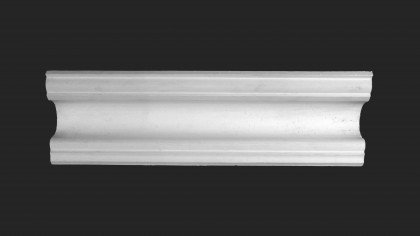
Coving provides a simple curved transition between wall and ceiling, serving both practical and aesthetic purposes. While less elaborate than a full cornice, coving adds elegance to a room and helps mask any irregularity where walls meet ceilings. Period coving comes in various profiles and sizes, from tight quarter-round designs to sweeping coved ceilings. Modern plaster coving is typically installed using adhesive and can be painted to match the room. For listed buildings or high-end restoration, lime-based coving may be specified for full breathability and authentic finish.
Why Use a Decorative Plaster Specialist?
Decorative plasterwork requires a distinct skill set combining artistry with technical expertise. A specialist brings both the creative ability to match historic designs and the practical skills to execute them.
- Ability to match existing profiles and designs accurately
- Understanding of classical proportions and period-appropriate styles
- Skills in mould-making, casting, and fixing techniques
- Knowledge of appropriate materials for different applications
- Experience with conservation requirements for listed buildings
Typical Costs for Decorative Plasterwork
Decorative plaster work ranges from installing standard off-the-shelf mouldings to bespoke restoration requiring master craftsman skills. Costs reflect this wide range.
| Service | Typical Cost |
|---|---|
| Plain coving installation (per metre) | £15 - £35 |
| Ornate cornice installation (per metre) | £40 - £100 |
| Ceiling rose supply and fit | £150 - £500 |
| Cornice repair/restoration (per metre) | £80 - £200 |
| Bespoke mould creation | £300 - £1,000+ |
Bespoke and restoration work is priced individually based on complexity. Always obtain detailed specifications and quotes.
Frequently Asked Questions
Common questions about decorative plaster services for period properties
Can missing or damaged cornices be matched to the original?
Yes, a skilled specialist can take a mould from surviving sections of cornice and cast matching pieces. Even where only fragments remain, experienced plasterers can reconstruct the full profile. For completely lost cornices, research into the building's period and style can identify appropriate replacement designs. Archive photographs or similar properties can provide references.
What's the difference between plaster and polystyrene coving?
Plaster coving is heavier, more durable, and provides a superior finish that takes paint well and looks authentic. Polystyrene is lightweight and cheap but looks obviously fake up close, doesn't take paint as well, and can be easily damaged. For period properties, plaster is always recommended. The additional cost is modest and the difference in appearance is significant.
My ceiling rose is covered in thick paint. Can the detail be restored?
Often, yes. Careful paint removal can reveal surprisingly crisp detail underneath decades of paint buildup. This is delicate work requiring patience and the right techniques - typically steam or careful chemical stripping followed by picking out detail with wooden tools. In some cases, the original detail may be too damaged and recasting or replacement is more practical.
Do I need listed building consent to replace decorative plasterwork?
Generally, like-for-like repair and restoration doesn't require consent. Adding new decorative features where none existed, or changing the design of existing features, typically does require consent. Removing original features almost always requires consent. Consult your local conservation officer for guidance on your specific situation.
Are you a decorative plaster specialist?
Join our directory and connect with homeowners across the UK who are looking for your expertise in period property restoration.
List Your Business