Period Metalwork & Ironmongery
Specialists in railings, balconies, gates, and architectural metalwork restoration
Metalwork plays a crucial role in period properties, from grand cast-iron balconies and wrought-iron gates to the humble but essential door furniture that residents touch daily. These elements combine functional engineering with decorative artistry, representing the metalworking traditions of their era.
Last updated: 25 October 2026
38 results found



Our Metalwork Services
Discover the specialist services available for your period property
Period Ironmongery
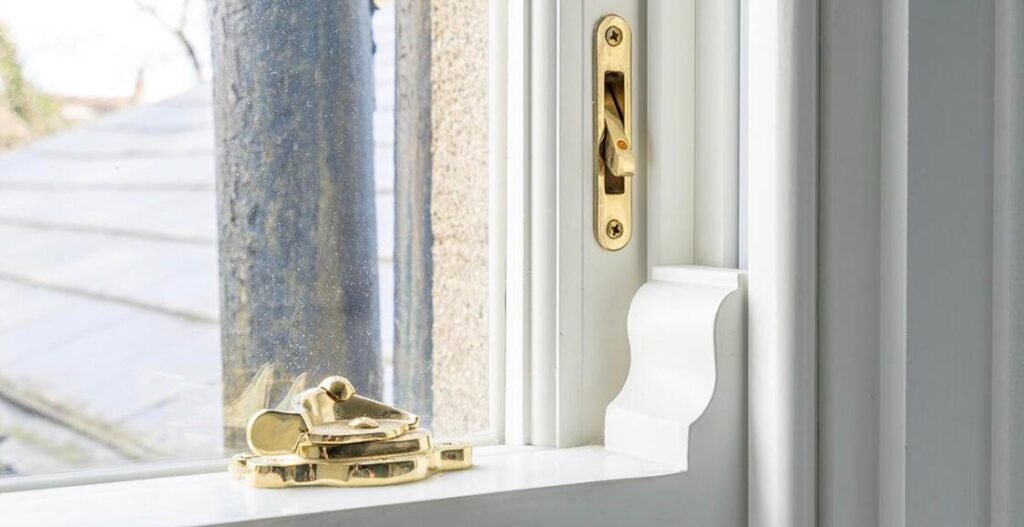
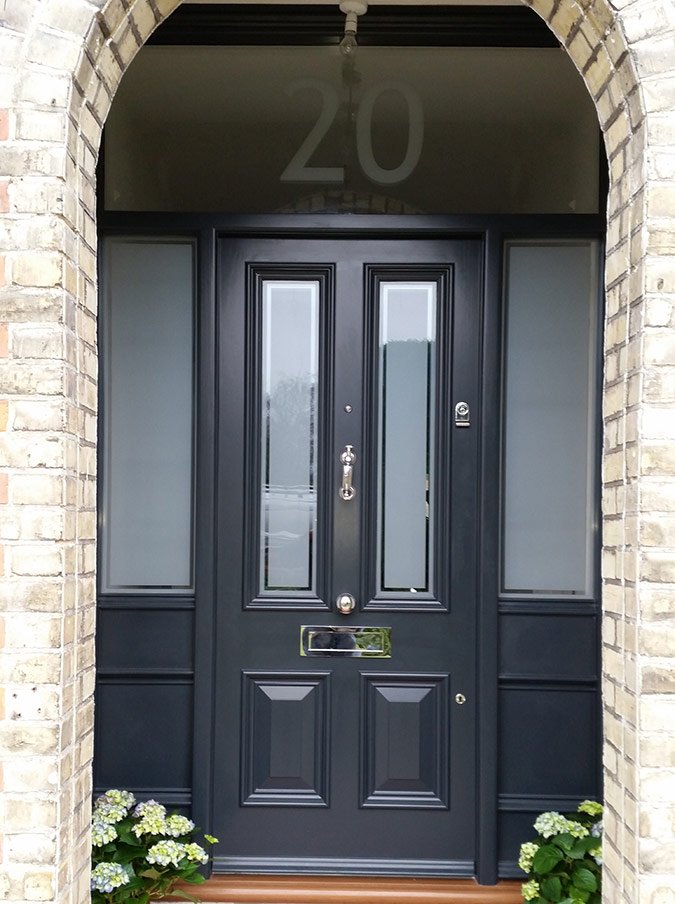
Period ironmongery encompasses all the metal fixtures and fittings that serve functional and decorative purposes: door handles, knobs, hinges, locks, window catches, bell pulls, and countless other items. Original ironmongery adds significantly to a property's character - the weight of a Georgian brass door knob, the click of a Victorian rim lock, the elegance of Art Deco window furniture. Restoration may involve repairing, replating, or replacing individual items. Specialist suppliers offer reproduction ironmongery in period patterns, while salvage dealers source original pieces. Matching existing ironmongery requires careful attention to material, finish, and style.
Railings & Balconies
Cast and wrought iron railings and balconies are characteristic features of Georgian, Regency, and Victorian properties. They range from simple area railings to elaborate balcony fronts with complex decorative patterns. Common problems include corrosion (particularly at fixing points where moisture collects), impact damage, and rust caused by failed paintwork. Restoration involves careful cleaning to remove rust without damaging original detail, repair of broken elements by welding or casting replacement parts, and application of appropriate protective coatings. Missing railings can often be replaced using moulds taken from surviving sections or from similar neighbouring properties.
Why Use a Period Metalwork Specialist?
Historic metalwork requires understanding of traditional materials and fabrication methods. Modern welding and fabrication techniques may not be appropriate for repairing antique ironwork.
- Knowledge of wrought iron, cast iron, and steel - their different properties and repair requirements
- Access to traditional forging and casting techniques
- Understanding of appropriate protective coatings for different applications
- Ability to replicate historic patterns and details
- Experience with listed building requirements for metalwork conservation
Typical Costs for Period Metalwork
Metalwork restoration and reproduction varies widely in cost depending on complexity and extent of work required.
| Service | Typical Cost |
|---|---|
| Railing restoration (per metre) | £150 - £400 |
| Cast iron balcony restoration | £800 - £2,500 |
| Replacement cast iron railing panel | £300 - £800 |
| Period door furniture set - supply and fit | £200 - £600 |
Metalwork costs depend heavily on the extent of corrosion and damage. Inspection is essential for accurate quotation.
Frequently Asked Questions
Common questions about metalwork services for period properties
What's the difference between wrought iron and cast iron?
Wrought iron is worked by hammering and bending while hot, producing fibrous material with high tensile strength. It's used for gates, balcony rails, and anywhere that needs to resist bending forces. Cast iron is poured molten into moulds, allowing complex decorative shapes but producing brittle material that can crack under stress. Many Victorian railings use cast iron for decorative panels set in wrought iron frames.
How do I stop railings rusting?
Rust occurs when paint fails and moisture reaches the iron. Key steps: remove all loose rust (wire brushing or careful blasting), treat with rust converter, apply appropriate primer, then finish coats. Traditional lead paint gave excellent protection but is now restricted. Modern alternatives include two-pack epoxy primers and polyurethane topcoats. Particular attention to fixing points and areas where water collects is essential.
Can missing railings be replicated?
Yes. Casting from surviving original sections can reproduce exact copies. Where no original exists, patterns can be created from photographs, drawings, or similar railings on neighbouring properties. New castings are typically made in aluminium or cast iron depending on structural requirements and budget. Skilled pattern-makers can replicate complex decorative details accurately.
Should I replace original door furniture with reproduction?
Original door furniture should be retained where possible - it has authentic wear patterns and patina that reproductions cannot match. Cleaning and refurbishment can restore appearance without replacement. Where originals are missing or beyond repair, quality reproductions in appropriate patterns are widely available. Avoid mixing periods or styles - Georgian properties should have Georgian-style furniture.
Are you a metalwork specialist?
Join our directory and connect with homeowners across the UK who are looking for your expertise in period property restoration.
List Your Business