Period Joinery & Carpentry
Master craftsmen specialising in traditional woodwork and timber restoration
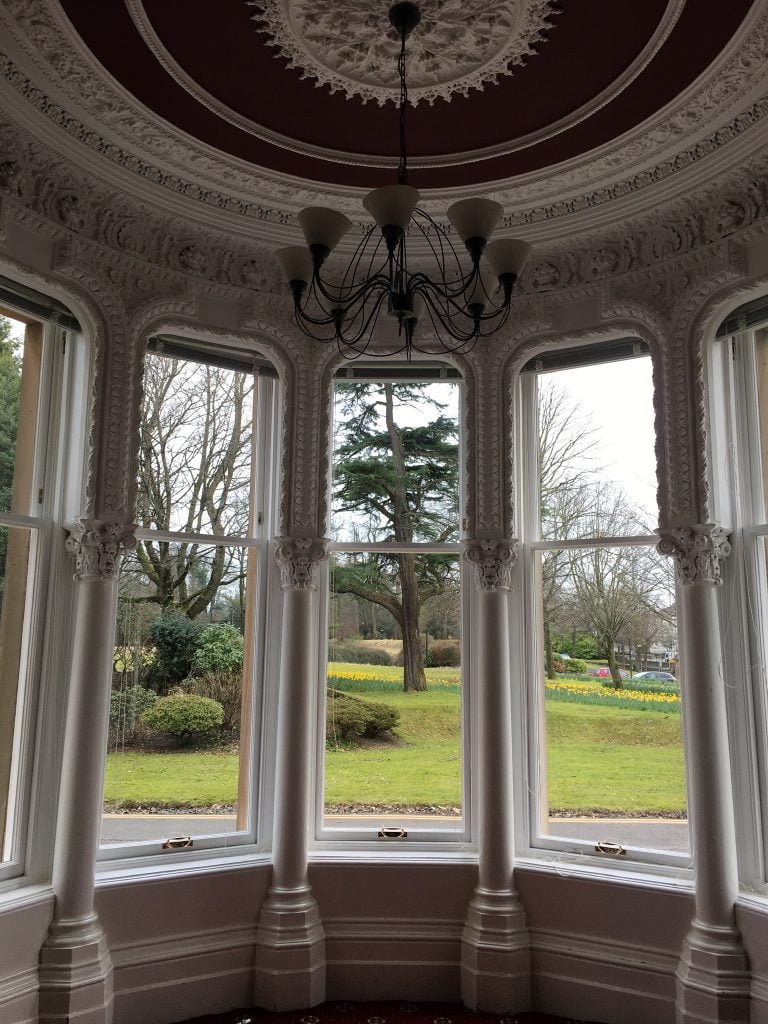
The joinery of a period property - from elegant staircases and panelled rooms to simple skirting boards and architraves - represents centuries of woodworking tradition. These elements were made by hand using techniques and tools that produced results impossible to replicate with modern machinery, giving historic joinery its unique character.
Last updated: 25 October 2026
267 results found
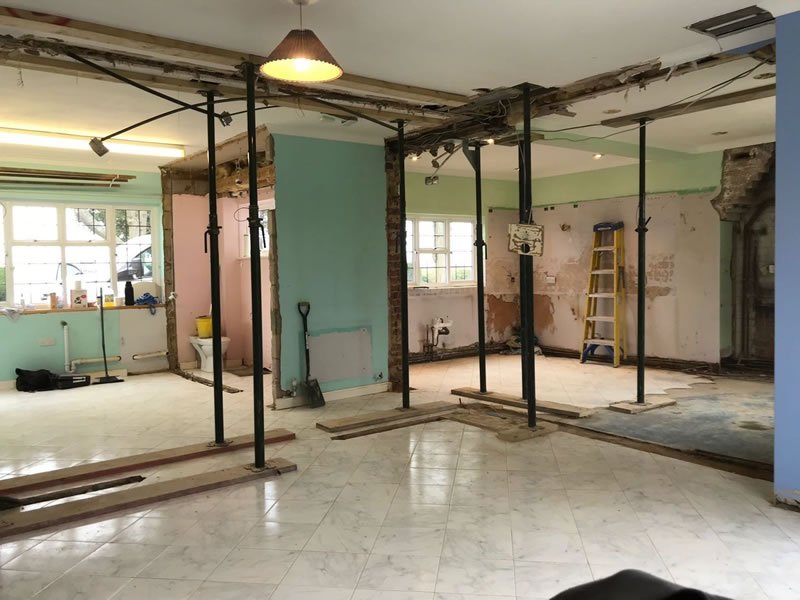
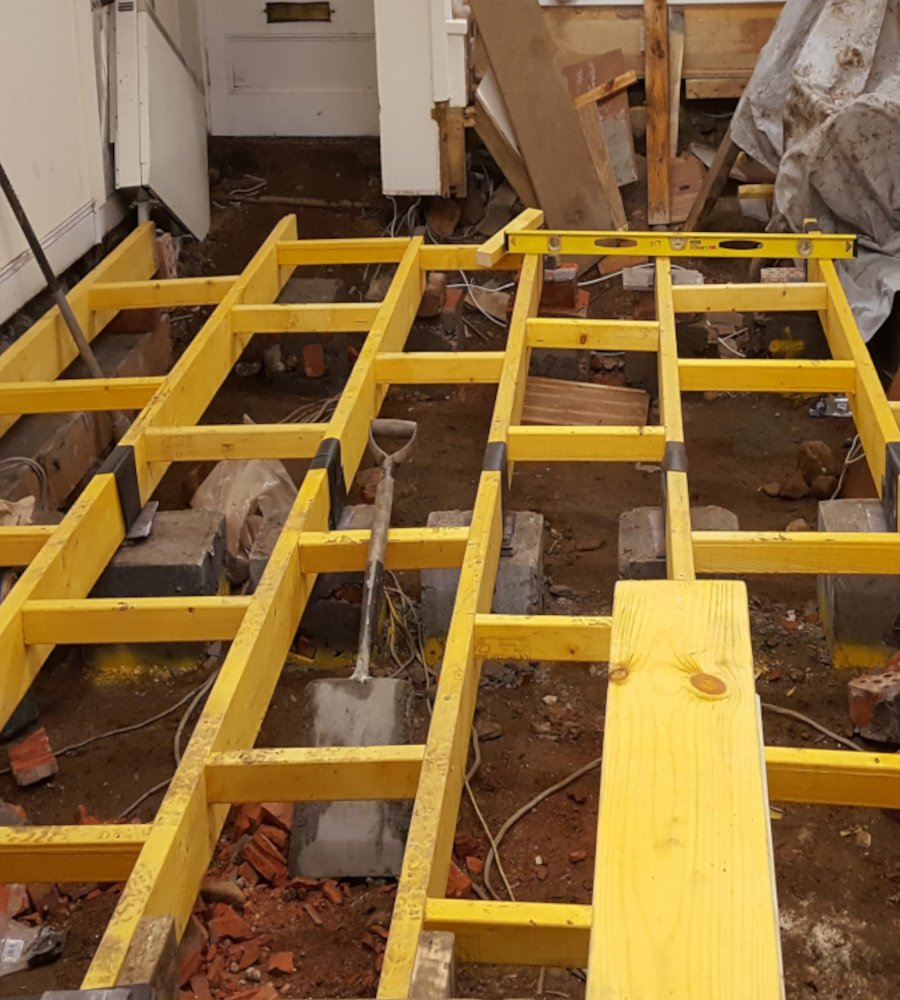
GBG Building Services Ltd
Oxford
4 reviews
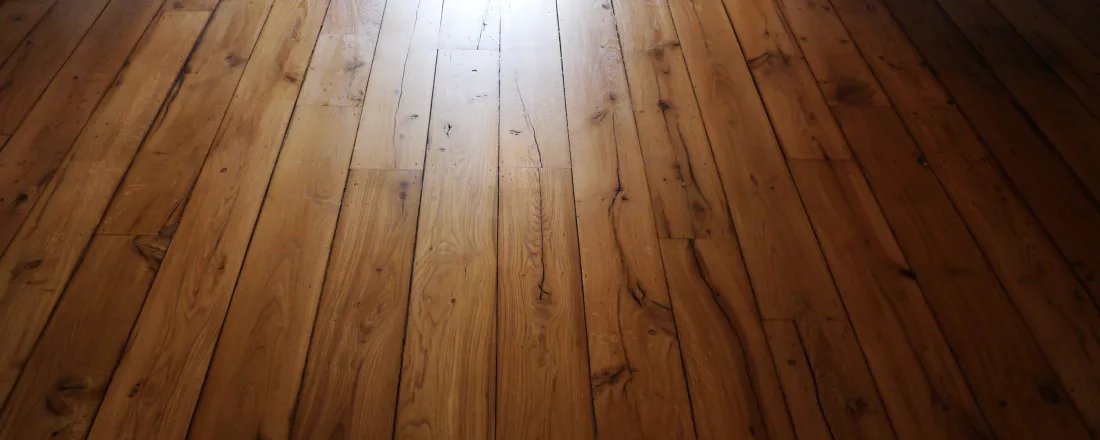





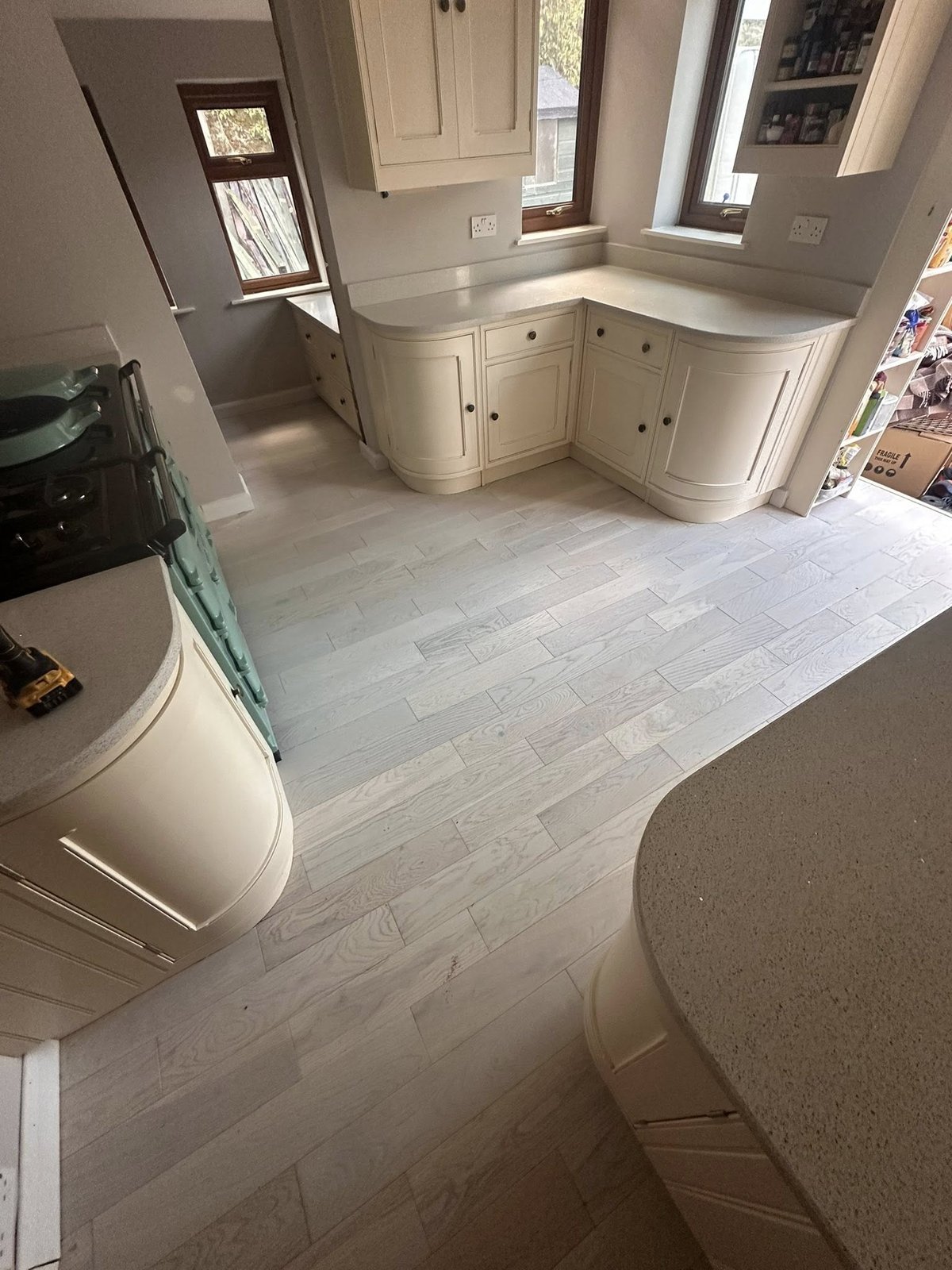
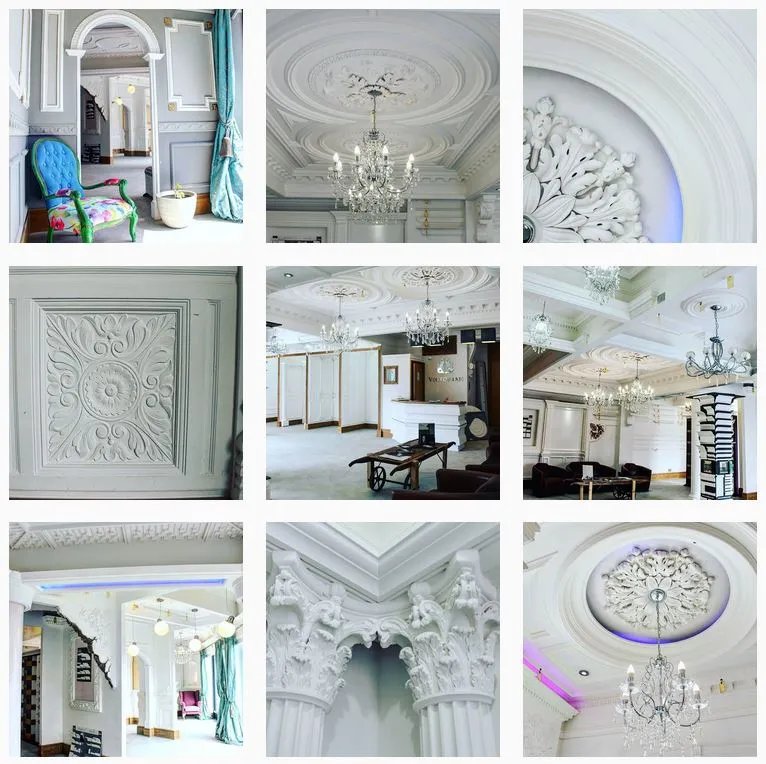



Sandallwoods Flooring
London
6 reviews













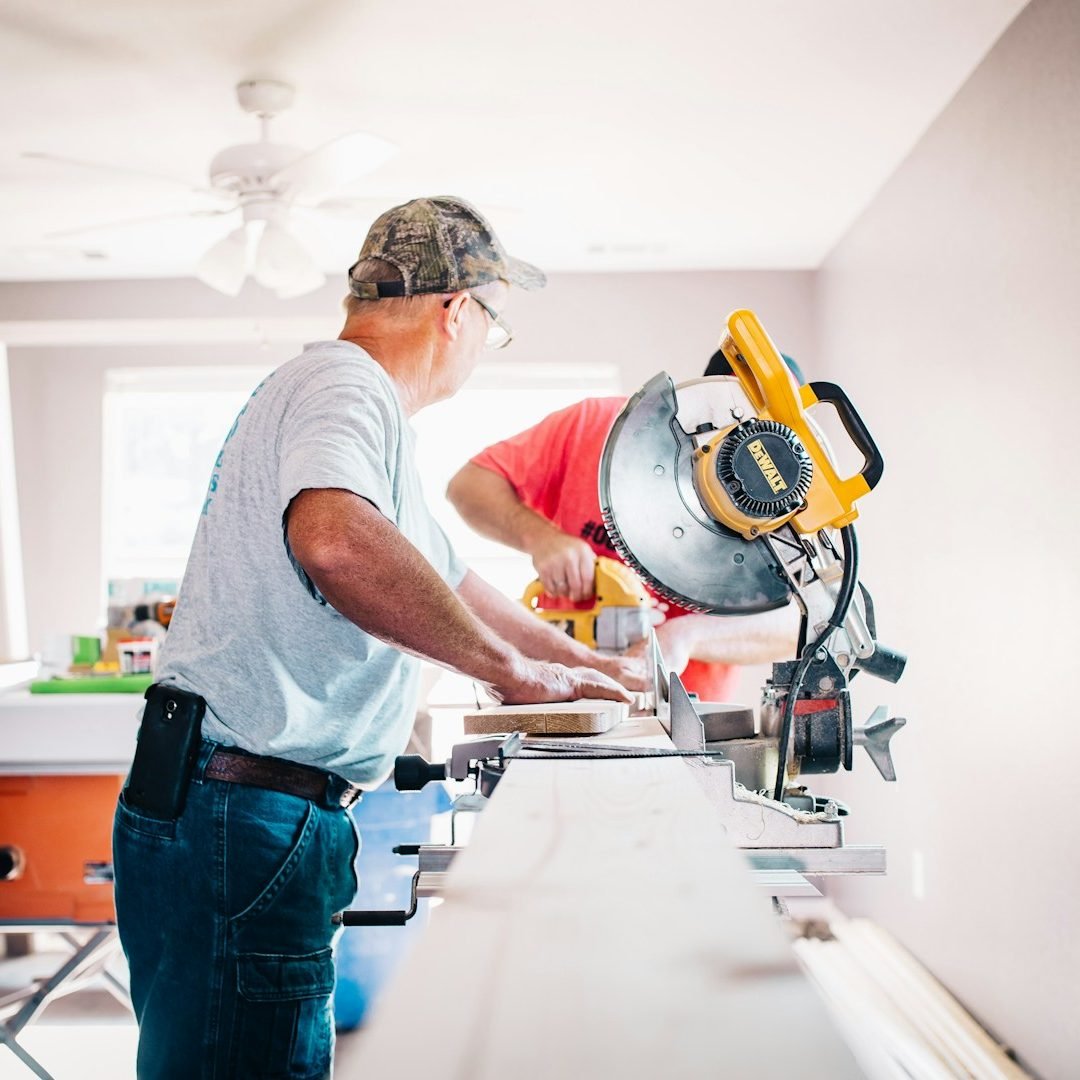

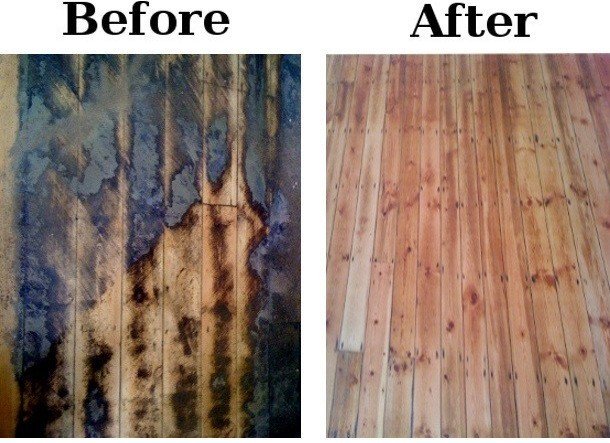
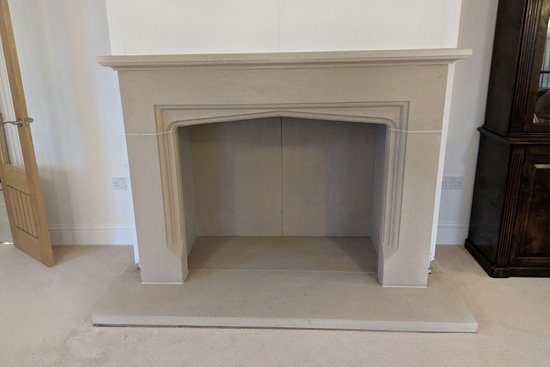




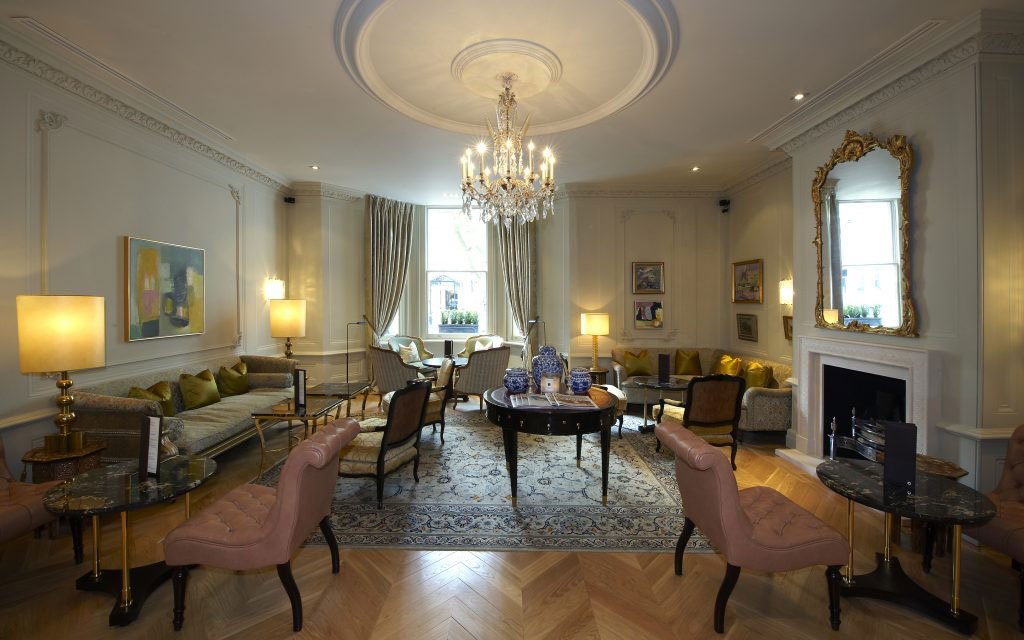
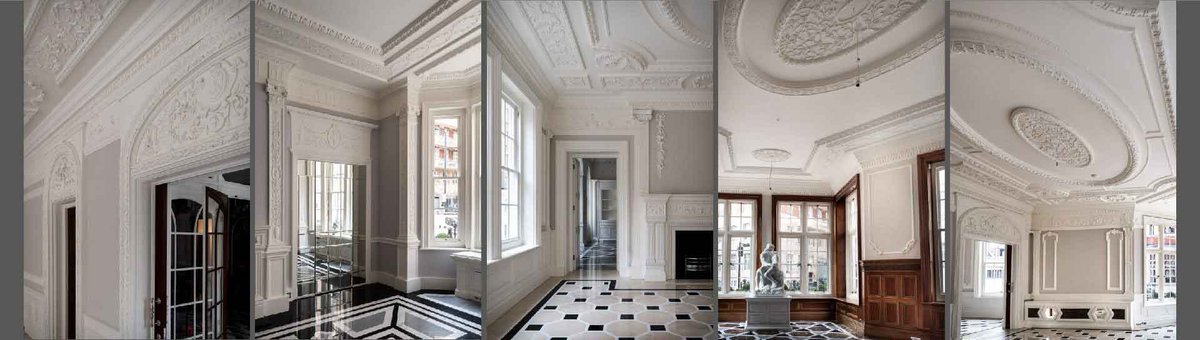

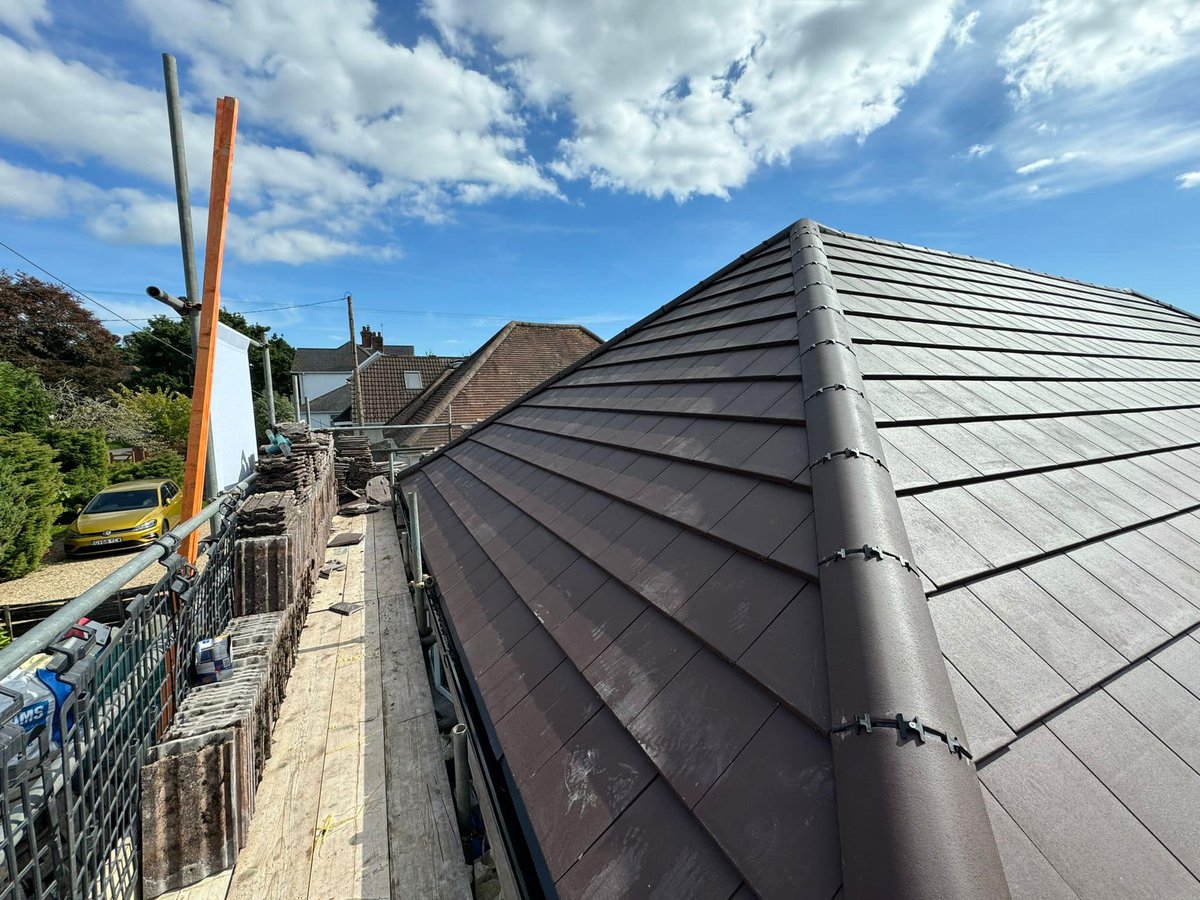

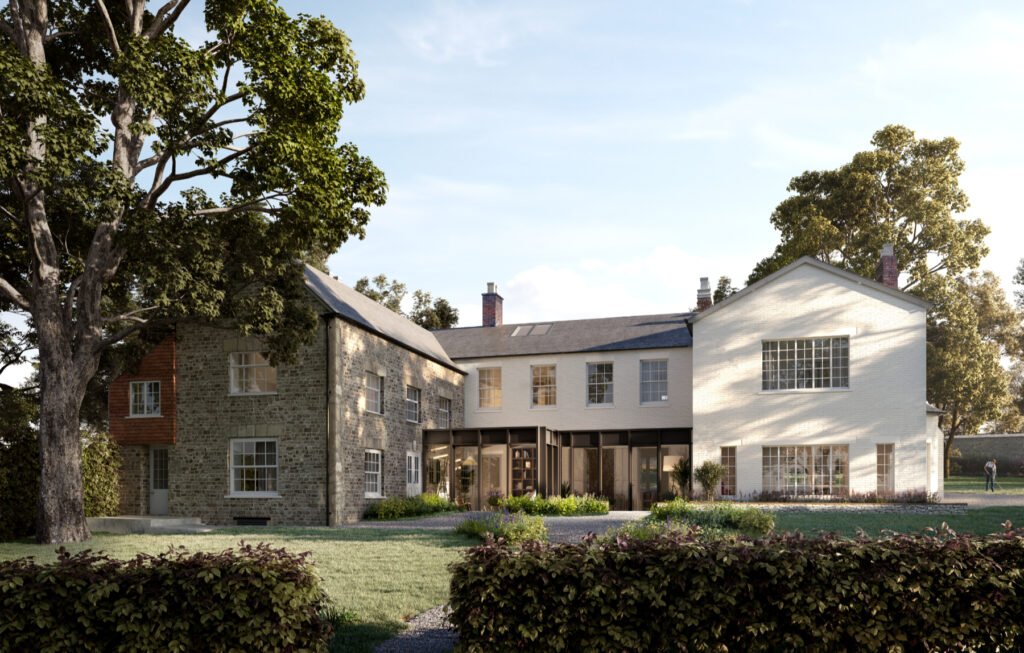



Our Joinery & Carpentry Services
Discover the specialist services available for your period property
Period Joinery
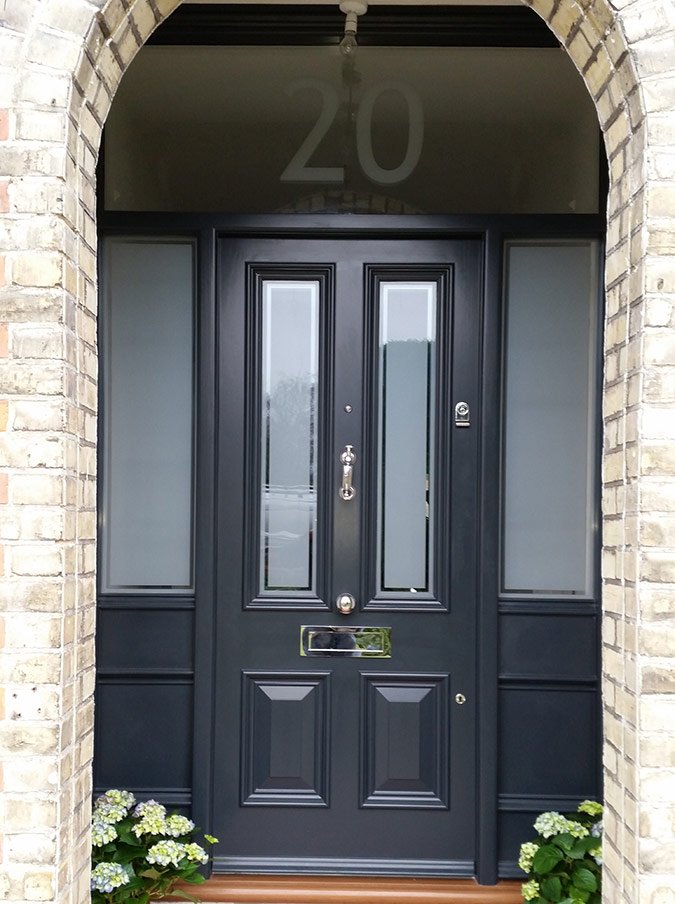
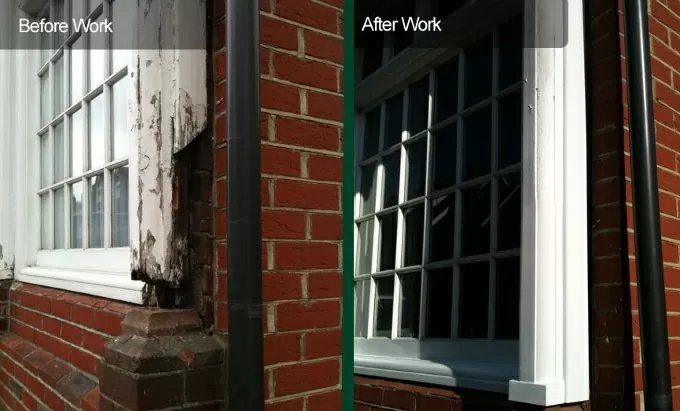
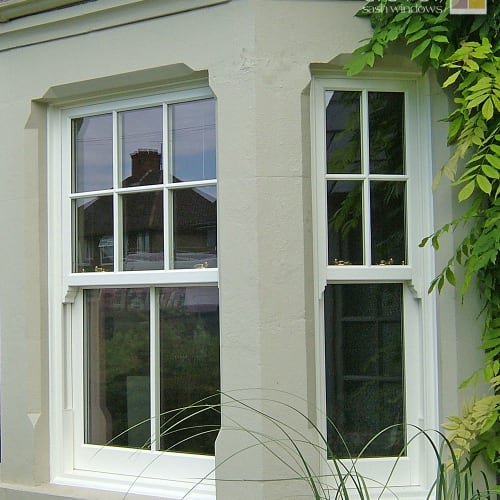
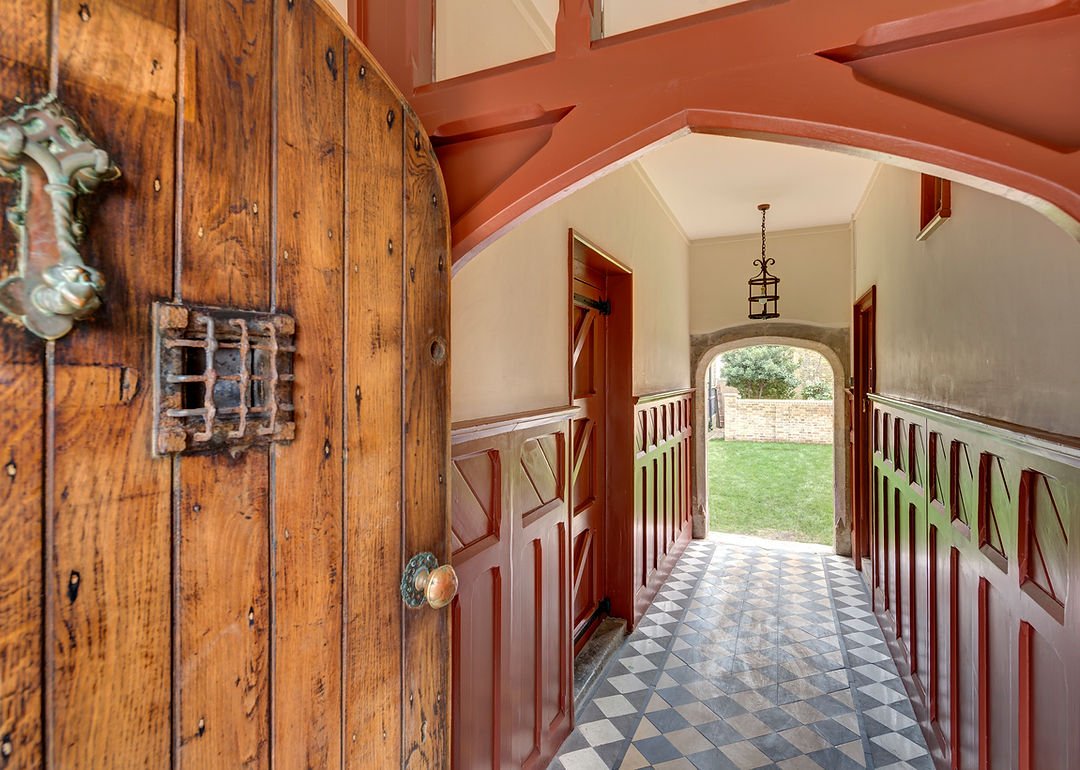
Period joinery encompasses all the timber elements that give historic interiors their character: doors and frames, windows, cupboards, built-in furniture, and decorative features. Creating new period joinery requires understanding of historic construction methods - how doors were made, which moulding profiles suit which era, and how joinery was traditionally finished. Restoration of existing joinery may involve careful repair of damaged sections, replication of missing elements, and sympathetic treatment of finishes. A skilled period joiner can reproduce any historic detail, matching existing work so repairs are invisible.
Timber Frame Repair
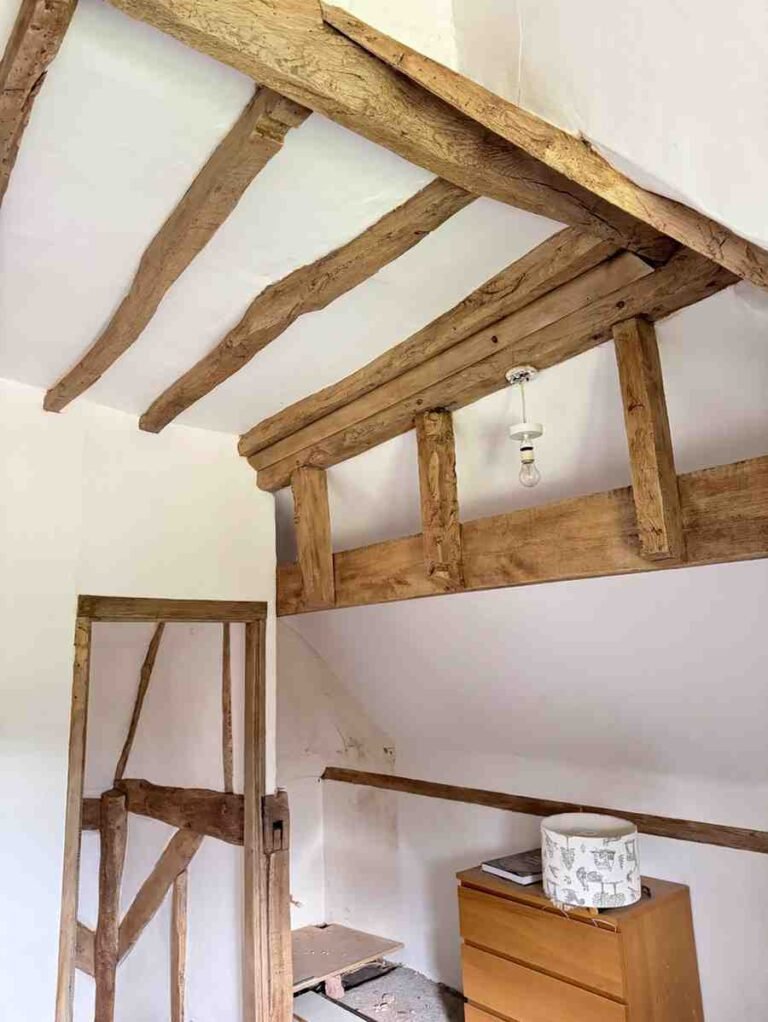
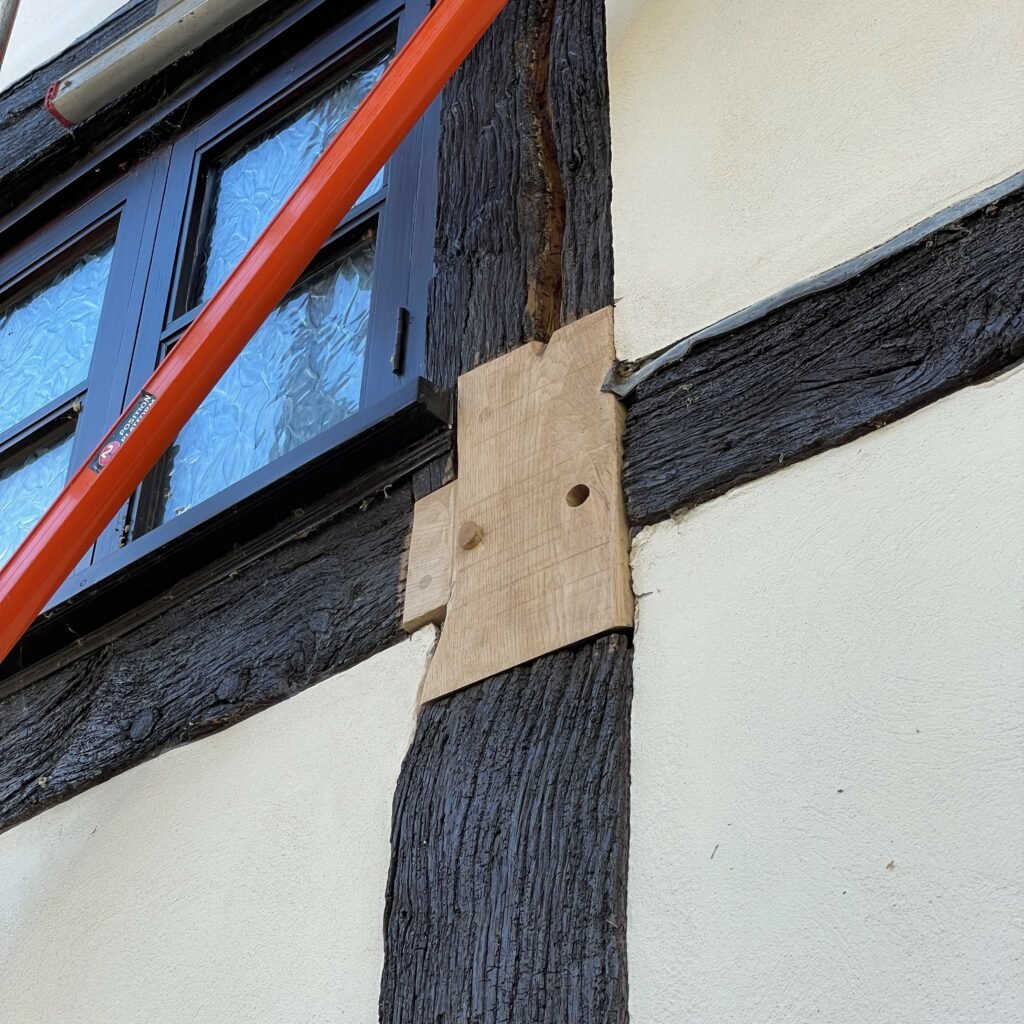
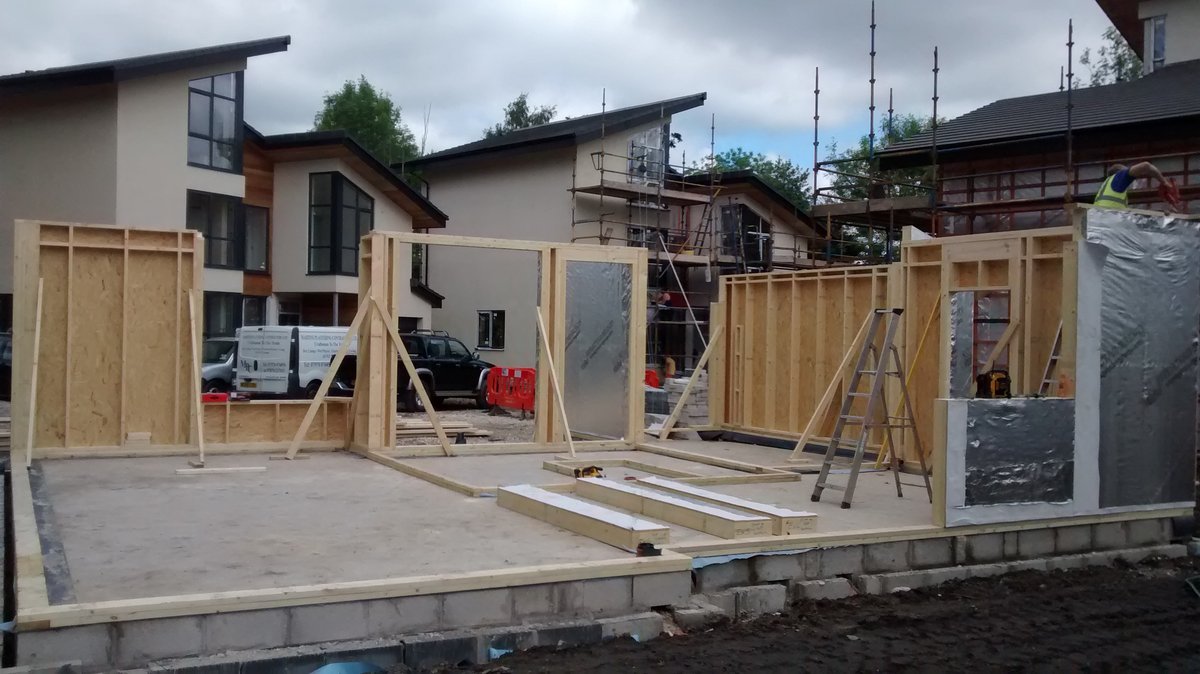
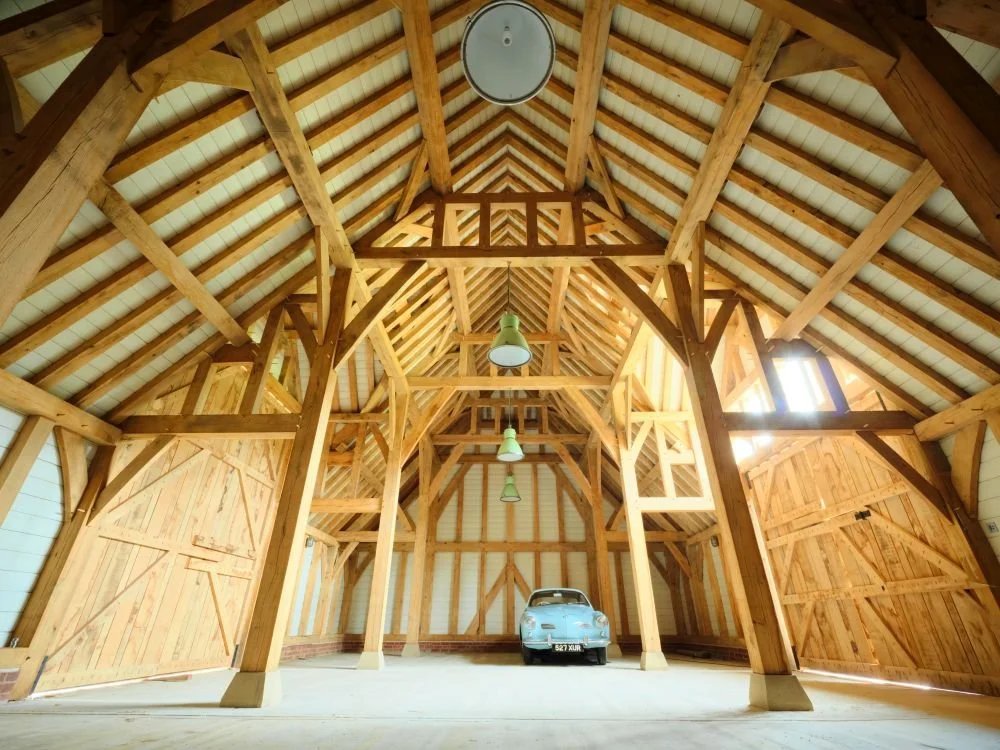
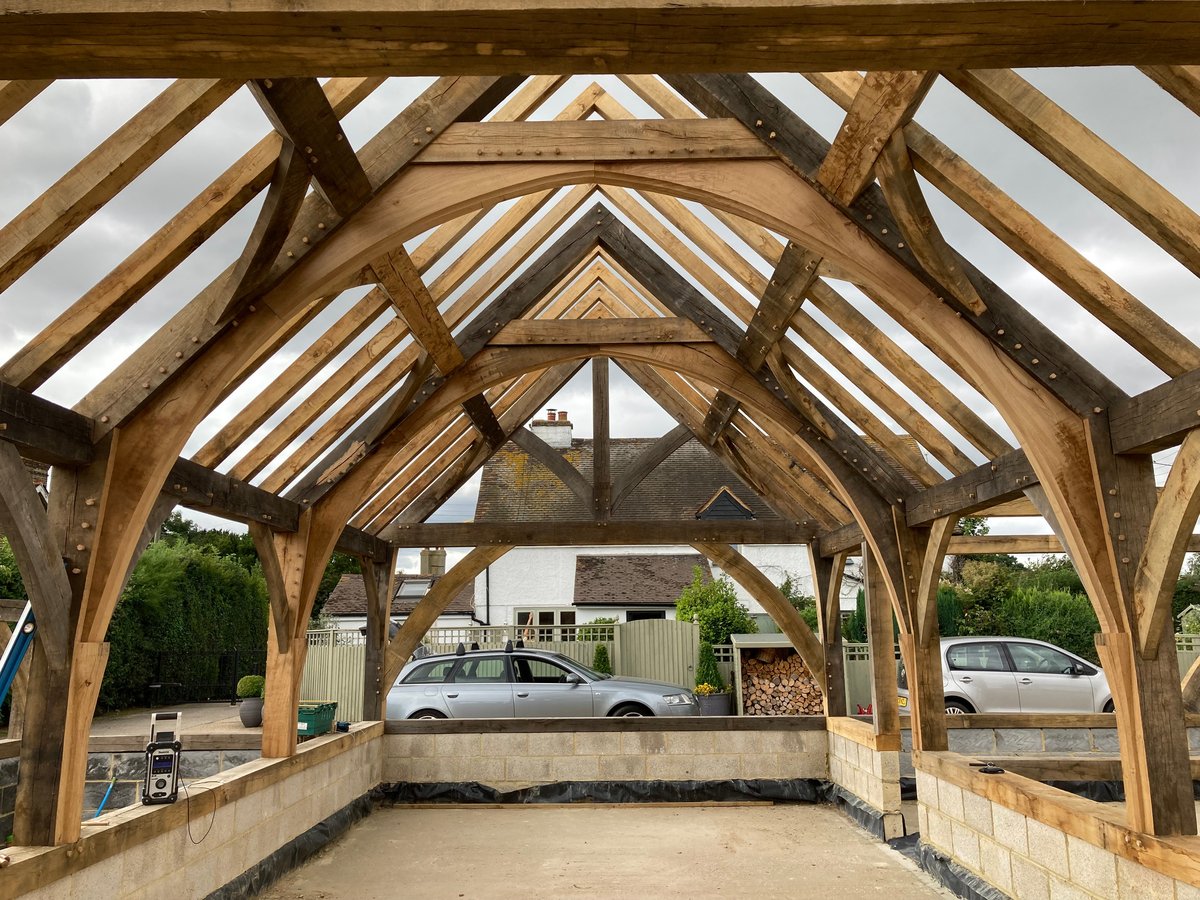
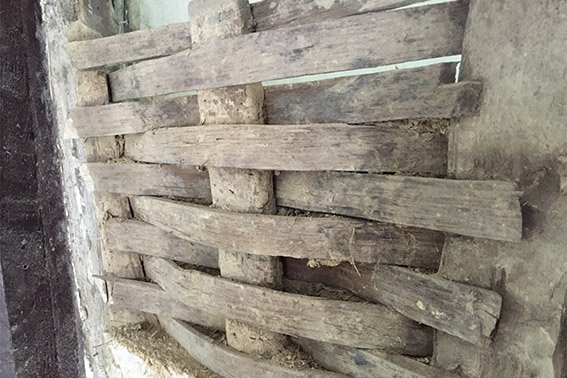
Timber-framed buildings, common from medieval times through to the 17th century, require specialist repair techniques. Traditional frames rely on large structural timbers joined with complex mortice-and-tenon joints, pegs, and ingenious carpentry solutions. Repairs may involve cutting out and splicing new timber into damaged sections, installing replacement posts or beams, and addressing the causes of decay. Skilled timber frame specialists understand the structural behaviour of these buildings and can make repairs that are both structurally sound and sympathetic to the historic fabric.
Rot Treatment
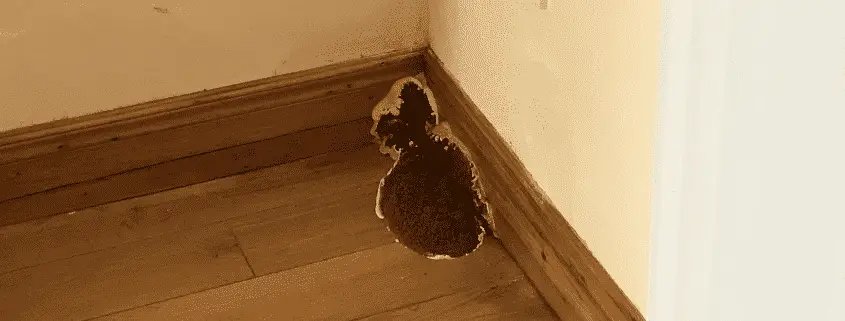
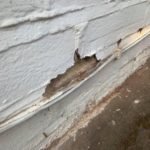
Wood rot - both wet rot and dry rot - is a common problem in period properties, typically caused by moisture ingress. Wet rot occurs in persistently damp timber and can usually be addressed by eliminating the moisture source and replacing affected timber. Dry rot (Serpula lacrymans) is more serious, able to spread through masonry and affect timber some distance from the visible outbreak. Treatment requires identifying and eliminating the moisture source, removing all affected timber plus a safety margin, and often chemical treatment of adjacent masonry. Early detection and proper treatment are essential to prevent extensive damage.
Skirting & Architrave
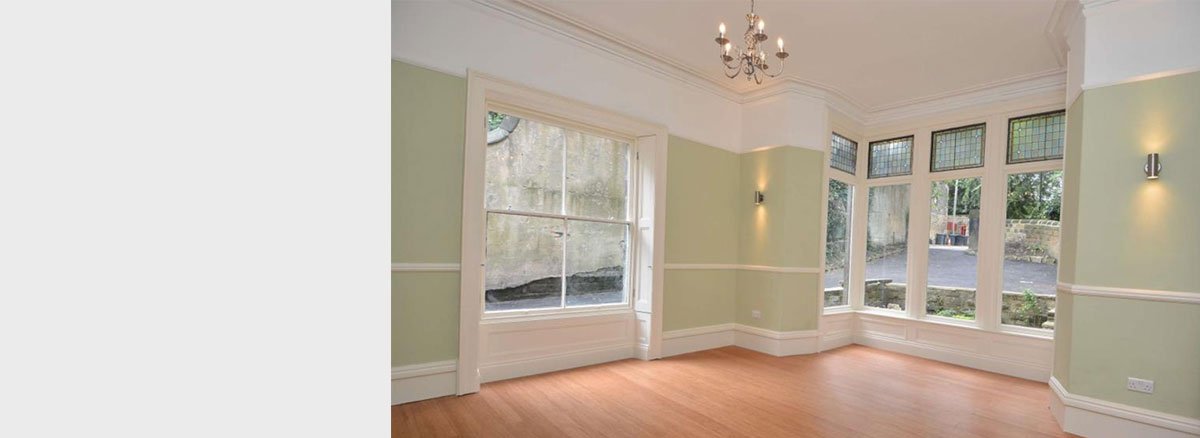
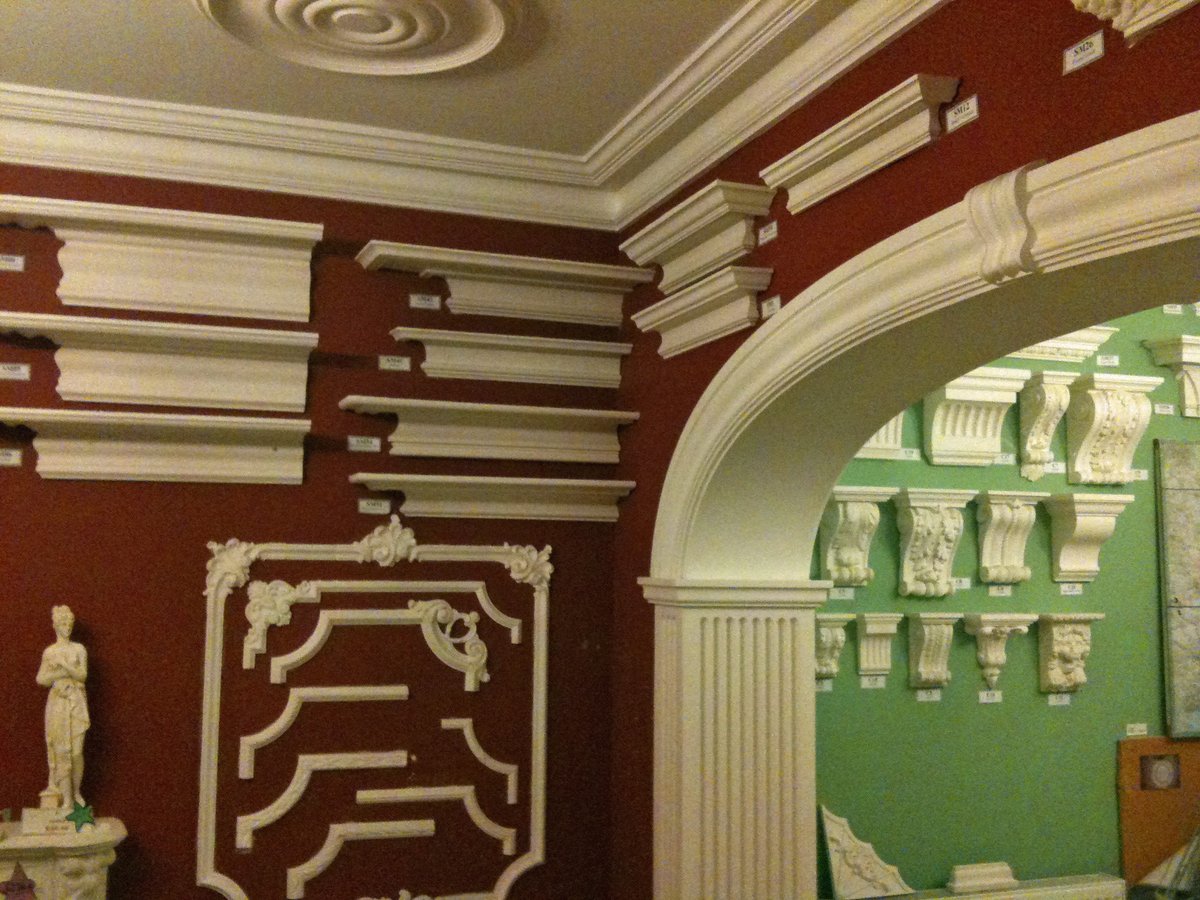
Skirting boards and architraves (the mouldings around doors and windows) are functional elements that protect wall surfaces and cover joints, but in period properties they're also decorative features with profiles characteristic of their era. Georgian skirting tends to be tall and simple, Victorian more elaborate with multiple elements, Edwardian returning to cleaner lines. Matching existing mouldings requires either hand-working or custom cutters for a spindle moulder. Standard mouldings from builders' merchants rarely match historic profiles accurately.
Wall Panelling
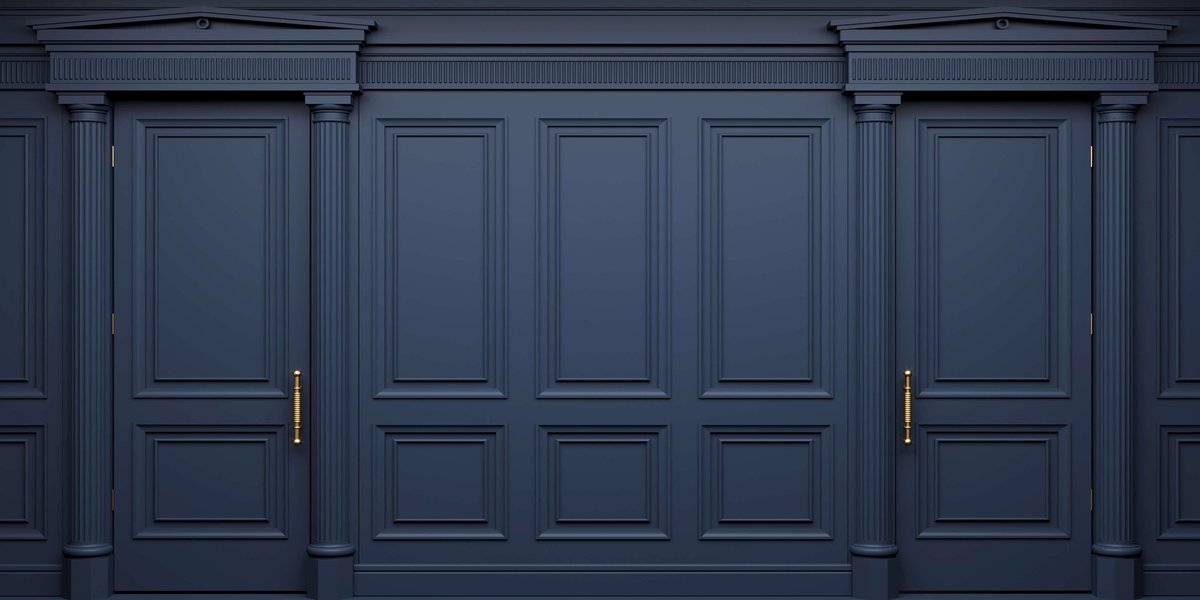
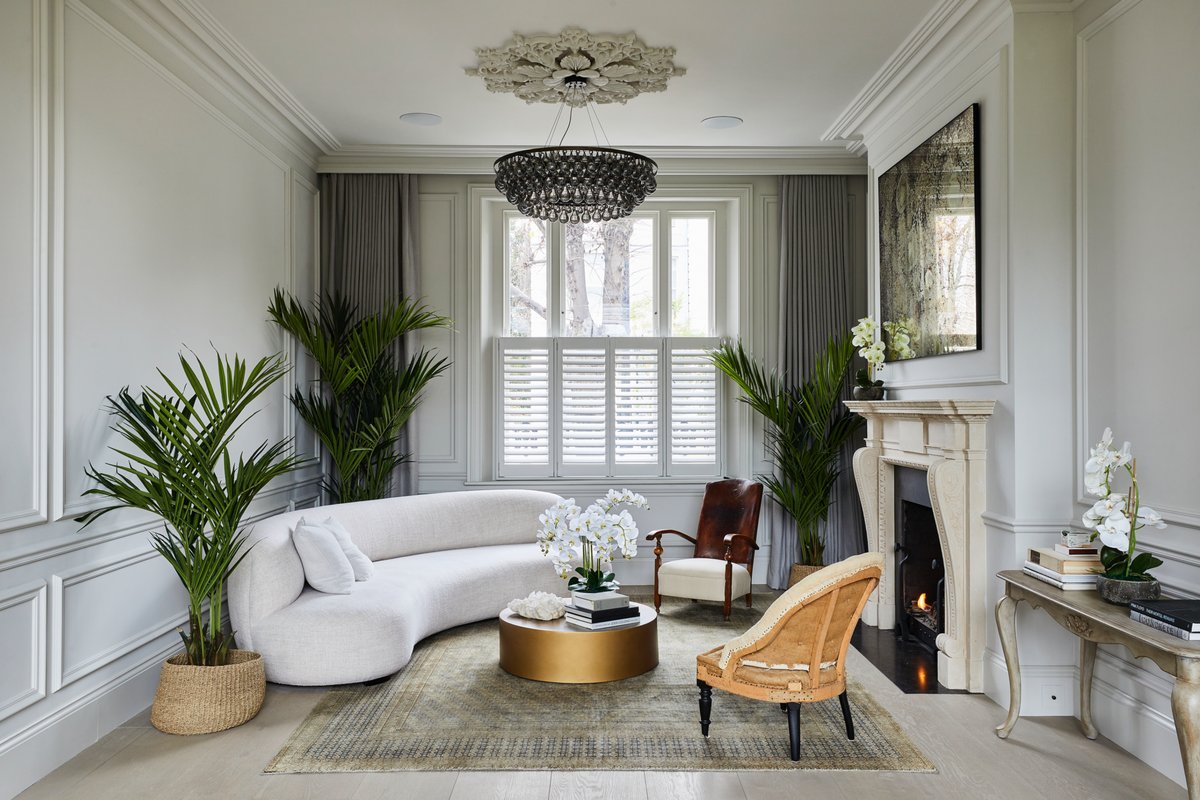
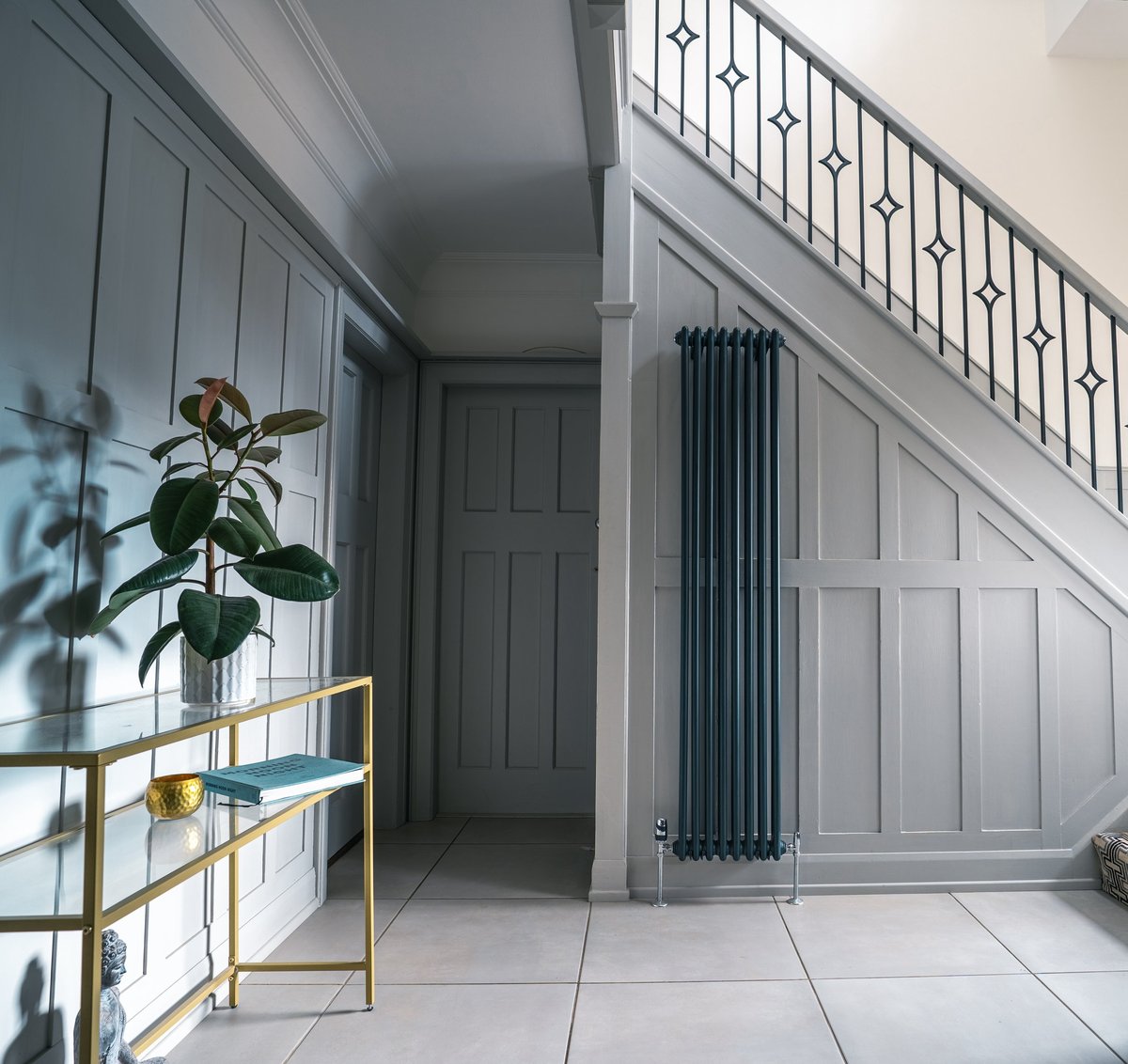
Timber wall panelling ranges from simple dado rails and chair rails to full-height raised panel designs. Period panelling adds elegance to any room while serving practical purposes - protecting walls from damage and improving thermal comfort. Restoration of existing panelling typically involves repairing damaged sections, addressing any damp or rot issues behind the panelling, and refinishing. New panelling can be designed to match existing rooms or in a style appropriate to the building's period. Authentic period panelling uses mortice-and-tenon construction, not modern MDF panels.
Staircase Restoration
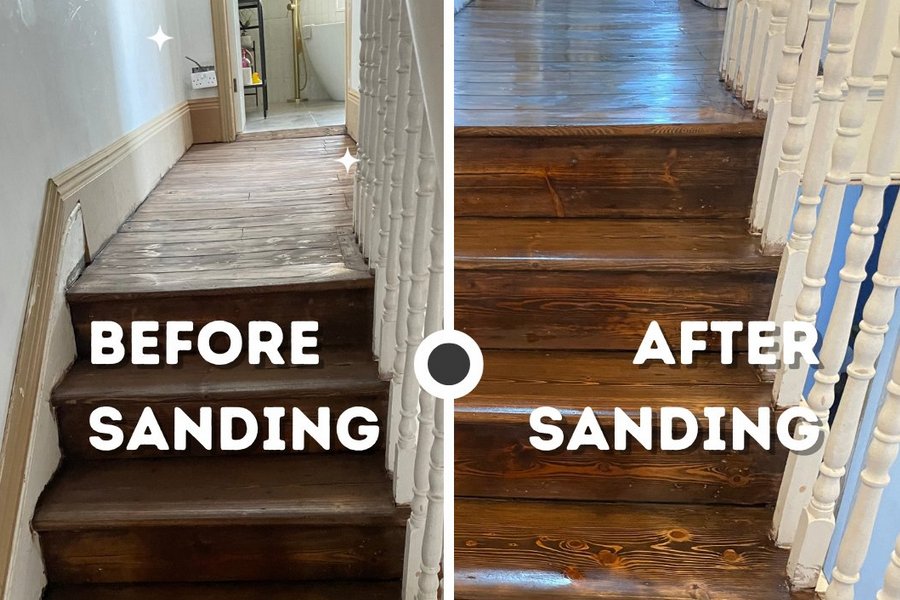
Historic staircases are complex structures combining engineering with artistry. Elements include strings, treads, risers, newel posts, balusters (spindles), handrails, and decorative carved details. Common problems include worn treads, broken or missing balusters, damaged handrails, and structural issues with strings or carriage pieces. A staircase specialist can repair individual elements, source or reproduce matching replacements, and address any structural concerns. Complete staircase restoration can transform a neglected feature into a property's centrepiece.
Window Shutters
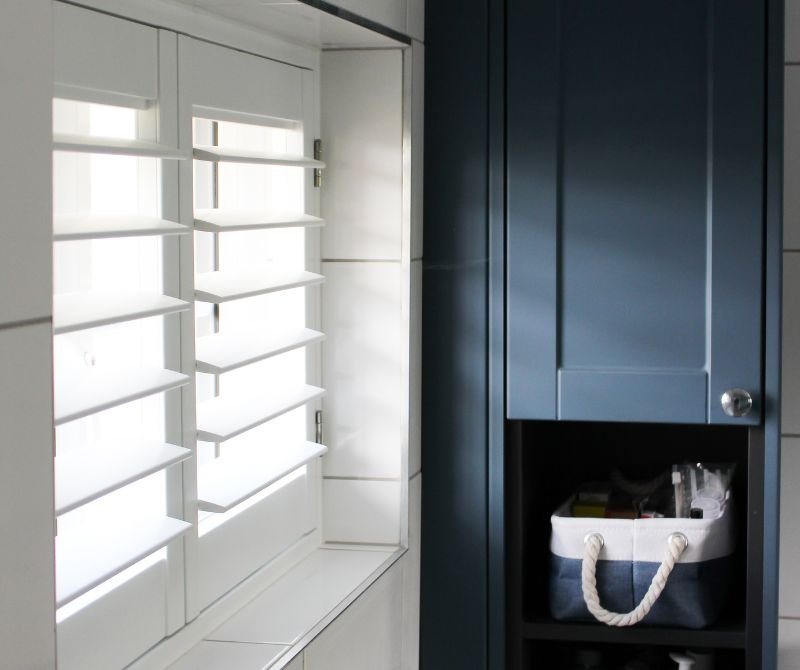
Internal folding shutters are a feature of Georgian and Victorian properties, providing security, insulation, and light control. Original shutters may be painted shut, missing, or damaged through neglect or inappropriate alteration. Restoring shutters involves freeing stuck panels, repairing broken hinges and catches, replacing damaged timber sections, and reinstating missing furniture. Where shutters are completely missing, new shutters can be made to fit existing shutter boxes, or complete new installations designed to suit the window proportions.
Why Use a Period Joinery Specialist?
Modern joiners typically work with sheet materials and standard components. Period joinery requires different skills, tools, and understanding of how historic woodwork was constructed and detailed.
- Knowledge of traditional joinery methods and construction techniques
- Ability to reproduce historic moulding profiles accurately
- Understanding of appropriate timber species and how wood ages
- Skills in repair techniques that preserve maximum original fabric
- Experience matching new work to existing historic joinery
Typical Costs for Period Joinery
Period joinery work is labour-intensive and often requires custom work. The following ranges give a general indication of costs.
| Service | Typical Cost |
|---|---|
| Period skirting board (per metre) | £25 - £60 |
| Period door - repair | £200 - £600 |
| Period door - new bespoke | £800 - £2,500 |
| Wall panelling (per m²) | £200 - £500 |
| Staircase restoration | £2,000 - £15,000+ |
Period joinery is highly individual. Detailed quotations based on specific requirements are essential.
Frequently Asked Questions
Common questions about joinery & carpentry services for period properties
Can damaged period doors be repaired, or should they be replaced?
Original doors should almost always be repaired rather than replaced. Even severely damaged doors can usually be saved by a skilled joiner - splicing in new timber to damaged areas, rebuilding rotten sections, and reinstating damaged mouldings. Original doors have character from their age - grain patterns, slight imperfections, and historic finishes - that cannot be replicated in new work.
What's the difference between wet rot and dry rot?
Wet rot requires persistently damp timber (above about 20% moisture content) and only affects timber in direct contact. It's treated by eliminating the moisture source and replacing affected timber. Dry rot is much more serious - it can spread through masonry via root-like strands (rhizomorphs) and affect timber some distance away. It requires complete removal of affected material plus treatment of surrounding masonry. Early diagnosis is important.
Can modern materials be used for period joinery repairs?
For structural repairs or concealed work, modern materials can sometimes be appropriate - resin repairs for decayed timber ends, for example. However, visible joinery should use appropriate timber species to match existing work. MDF is never appropriate for period joinery - it doesn't have the depth, sharpness, or durability of properly made timber mouldings.
My architraves and skirting don't match the period of my house. Should I replace them?
Many period properties have had joinery replaced over the years. Whether to reinstate period-appropriate details is a personal choice. For listed buildings, original or early joinery should be retained, but replacement of later inappropriate additions may be acceptable. For unlisted properties, you have more freedom. Quality reproduction joinery can significantly improve the character of a room.
Are you a joinery & carpentry specialist?
Join our directory and connect with homeowners across the UK who are looking for your expertise in period property restoration.
List Your Business