Lime Plastering & Traditional Renders
Specialists in breathable lime mortars, renders, and traditional plastering techniques
Lime-based mortars and plasters have been used in building construction for thousands of years, and they remain the only appropriate choice for period properties built before the 20th century. Unlike modern cement-based products, lime is breathable, flexible, and self-healing, allowing moisture to move freely through walls while accommodating the natural movement of older buildings.
Last updated: 25 October 2026
251 results found

Royall Traditional Limework
Oxford
3 reviews








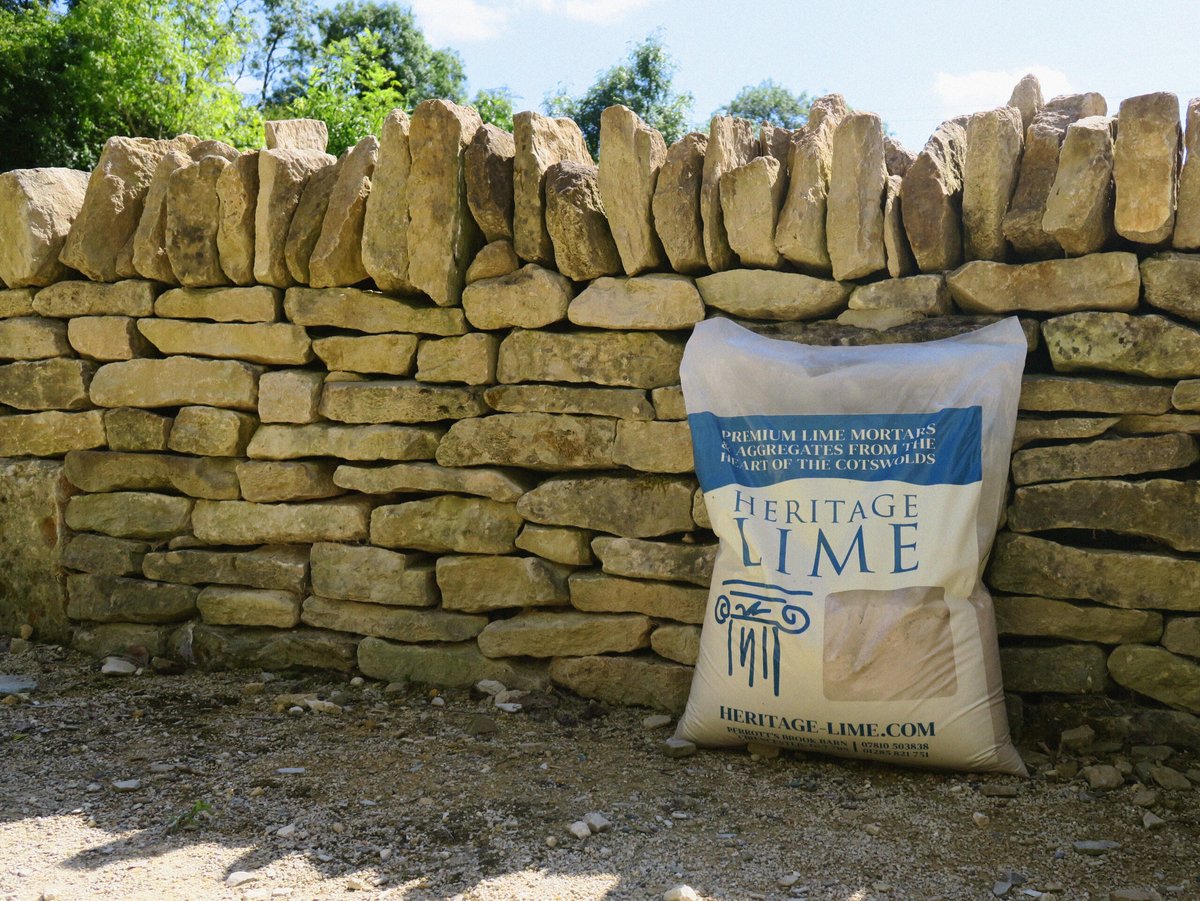
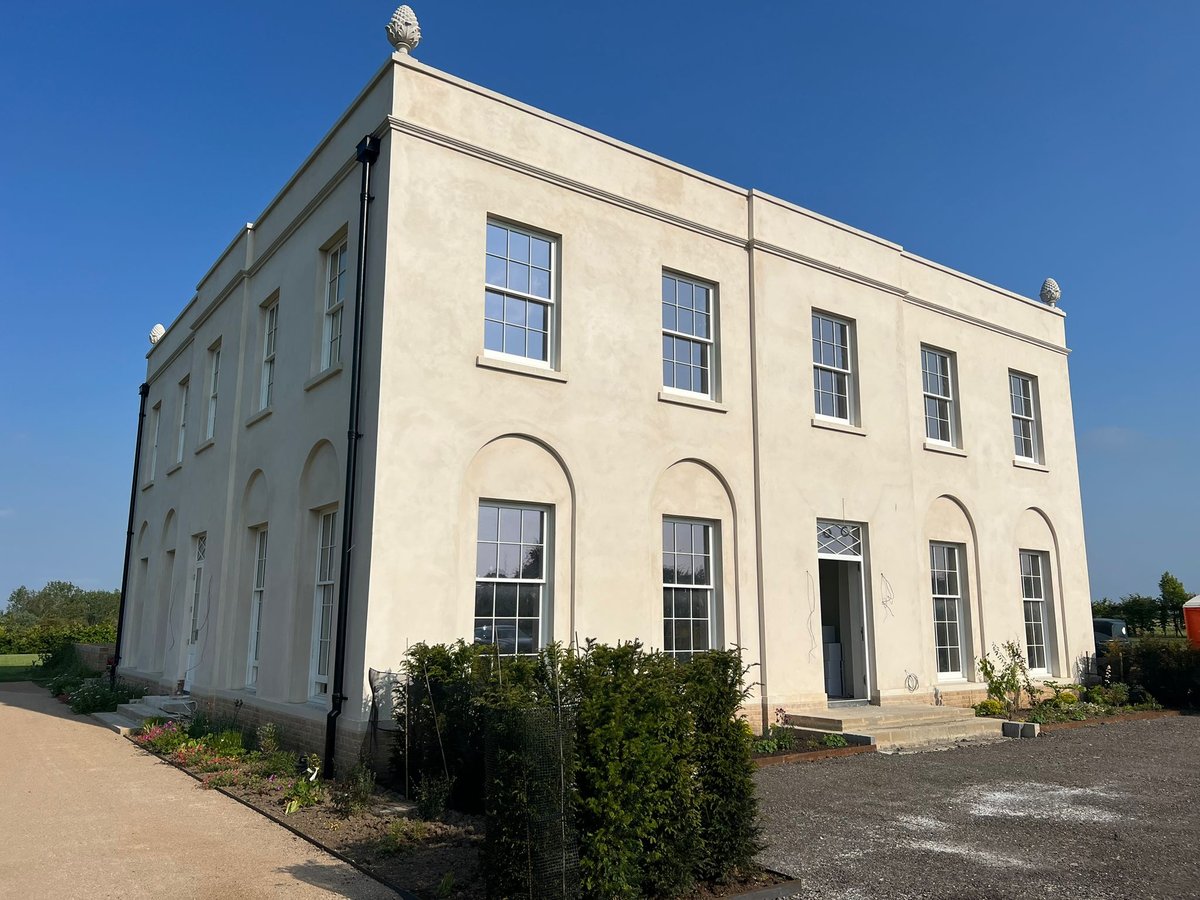

Shire Homes Ltd
Carlisle
4 reviews
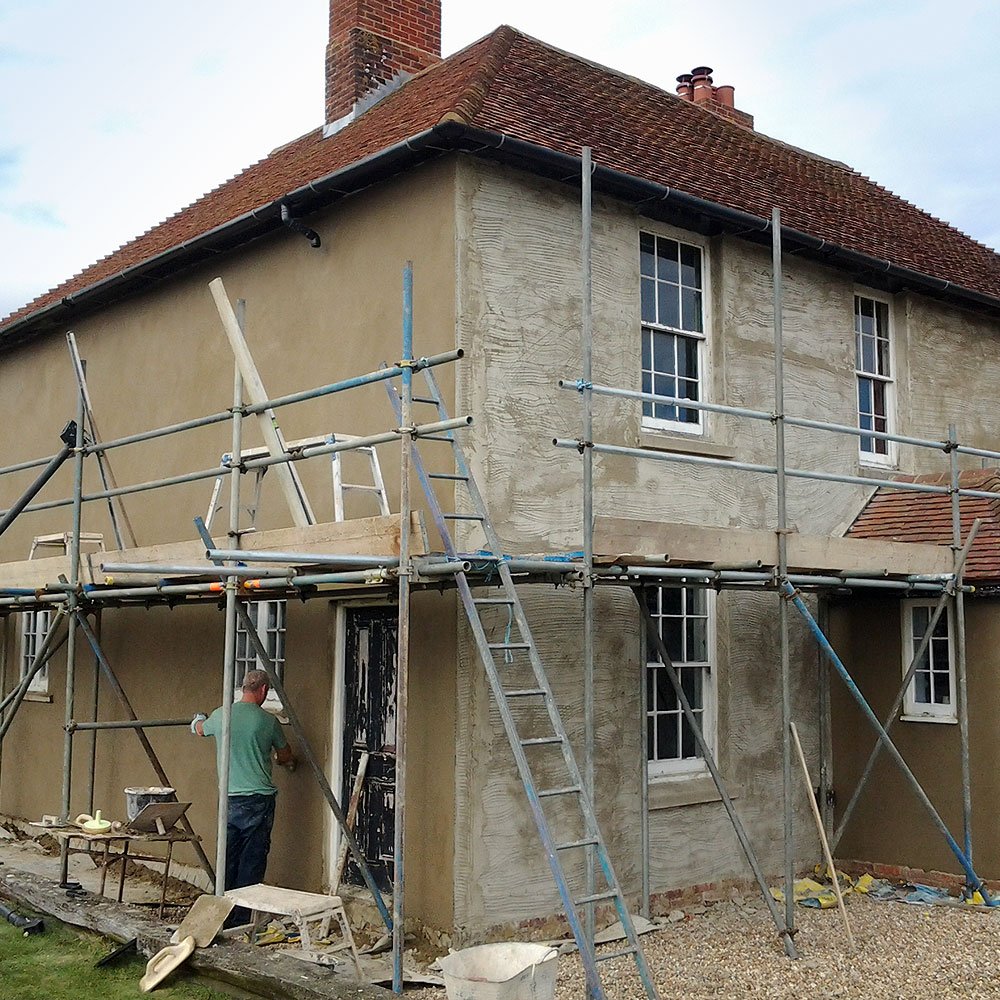


M S Baker Plastering & Rendering Services
Bath
29 reviews

















RG Property Restoration Services
Newcastle upon Tyne
1 reviews

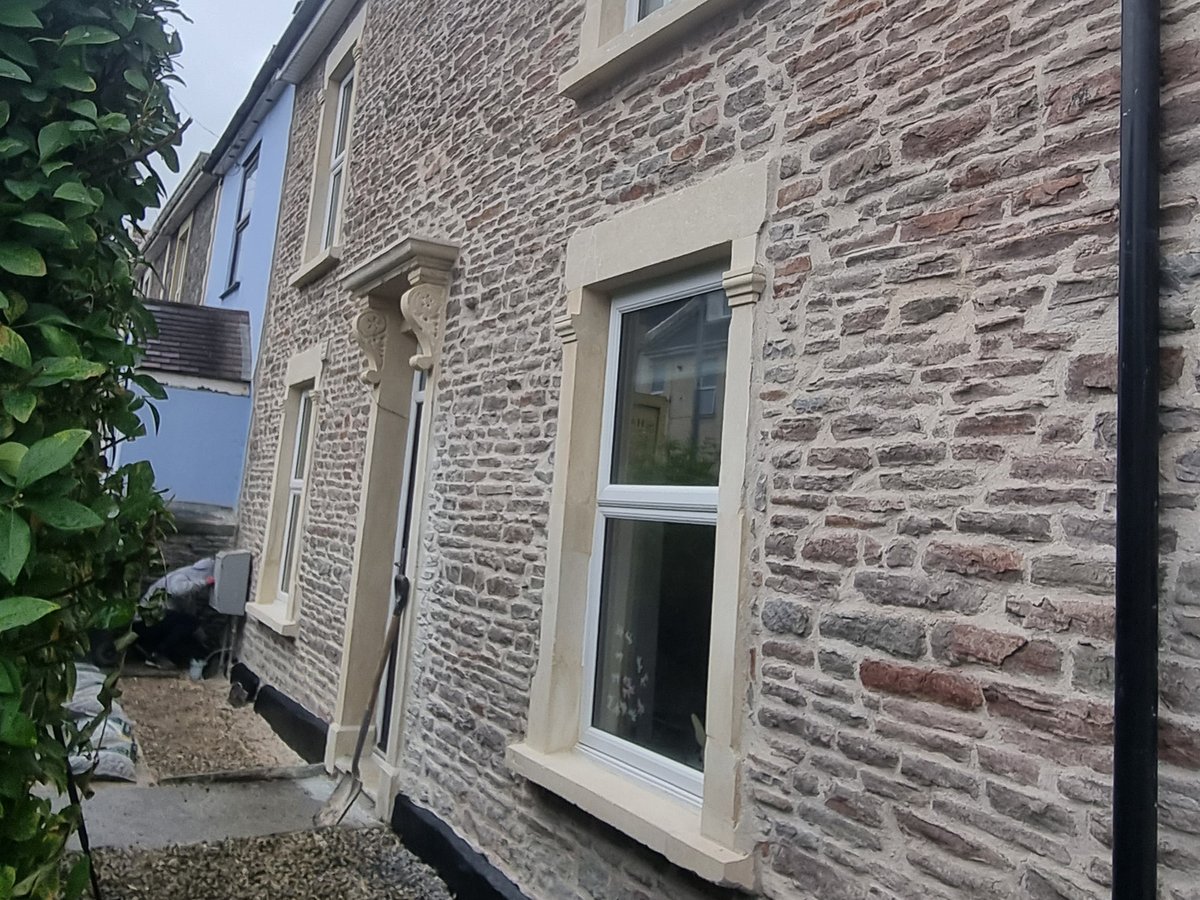

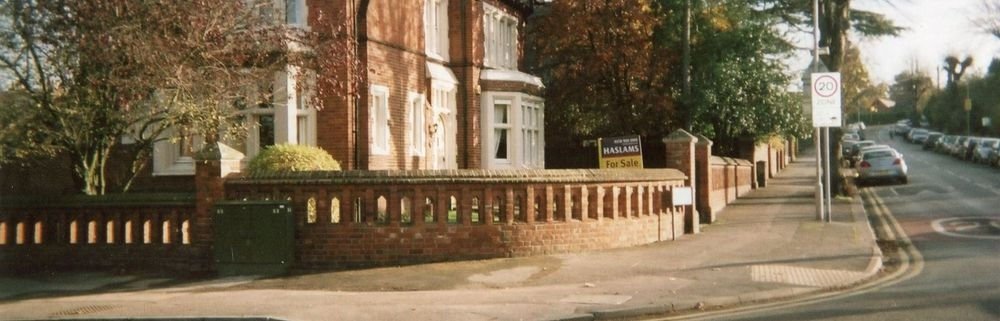

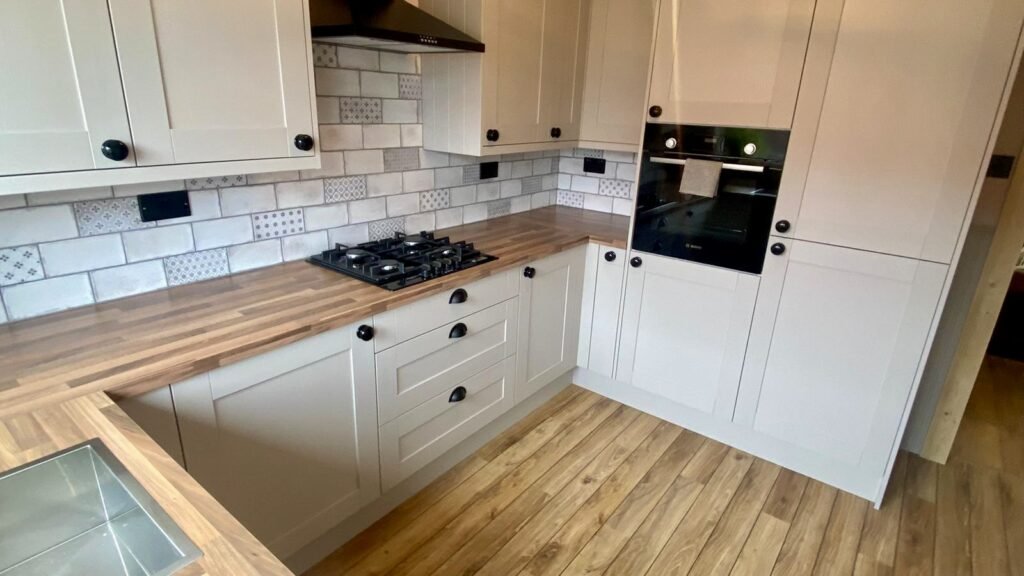

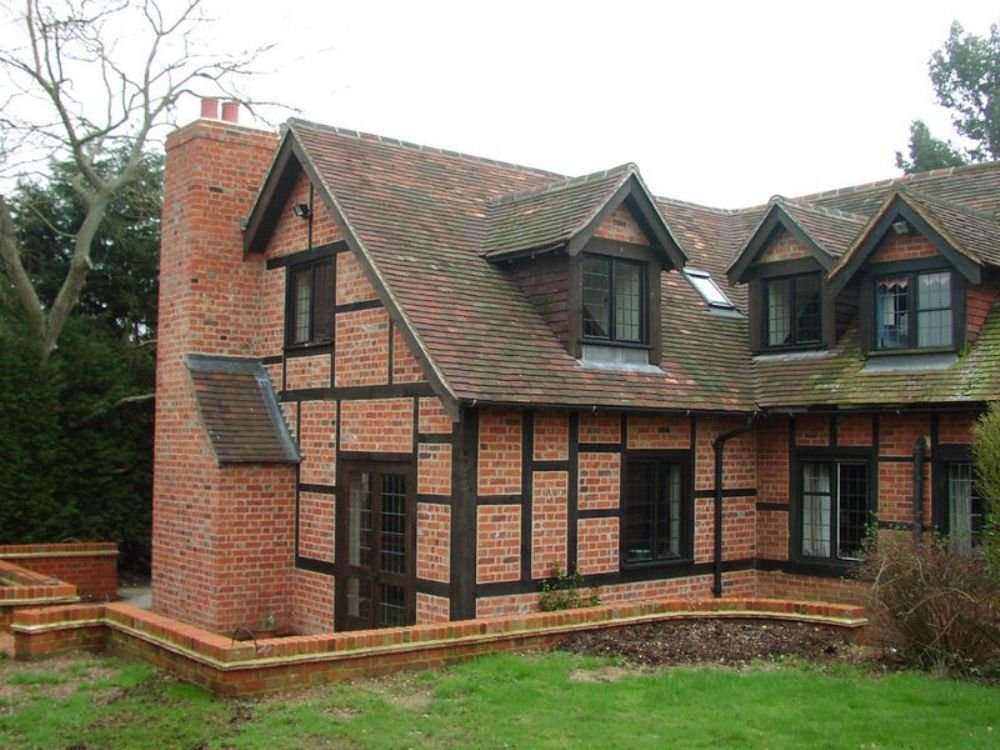






Hazelwood Building & Restoration
Tunbridge Wells
Quote via: phone













Our Lime & Plastering Services
Discover the specialist services available for your period property
Lime Plastering
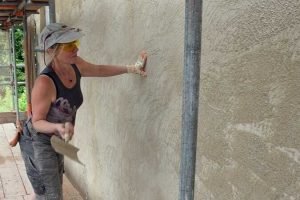
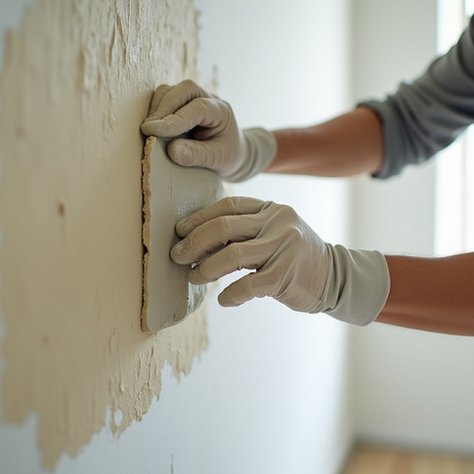
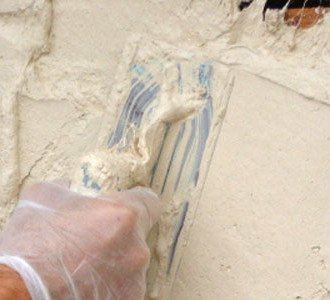
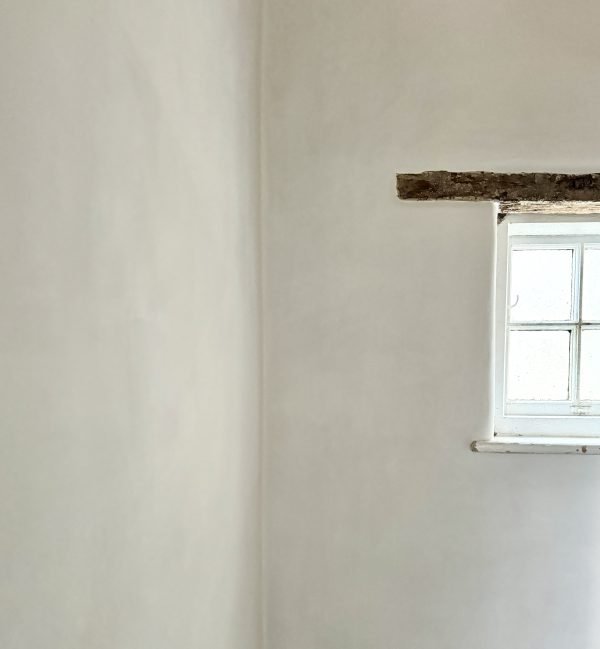
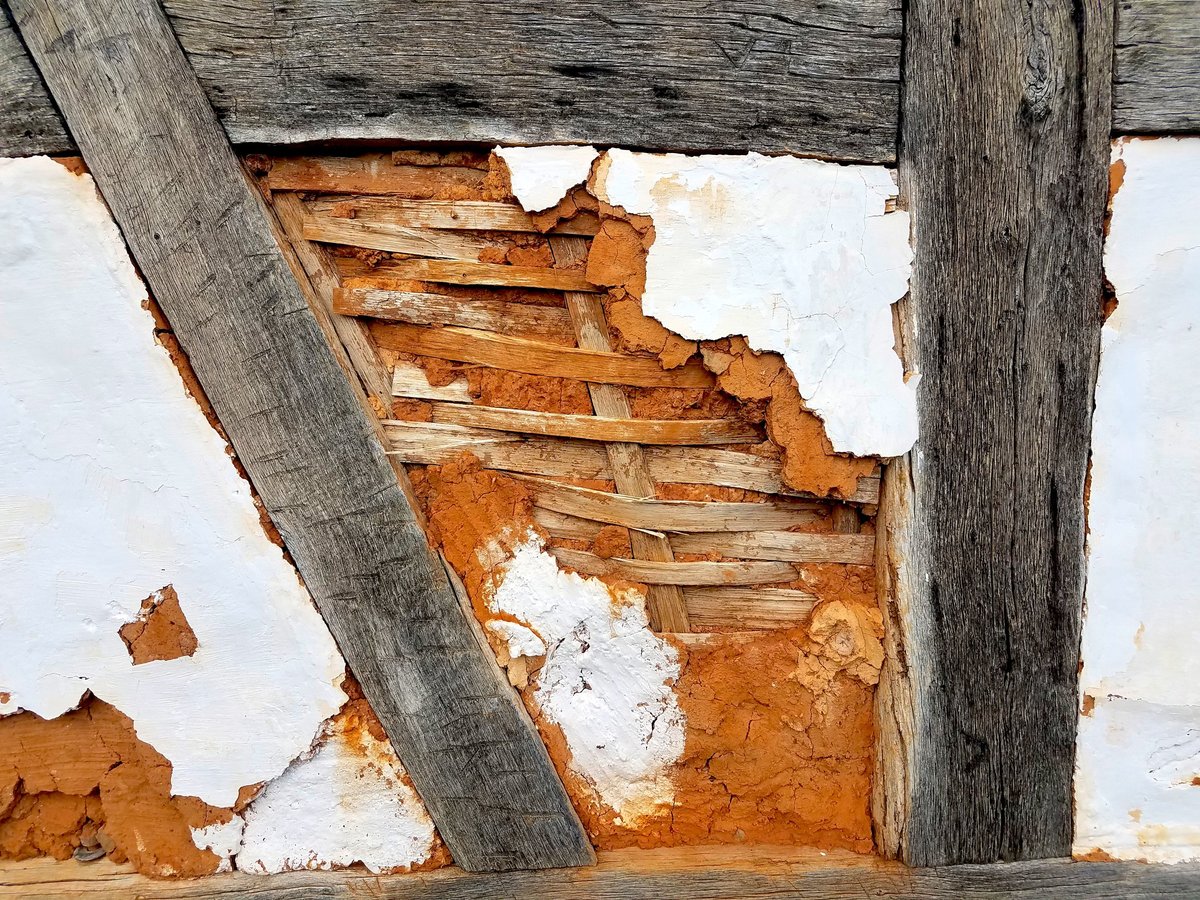
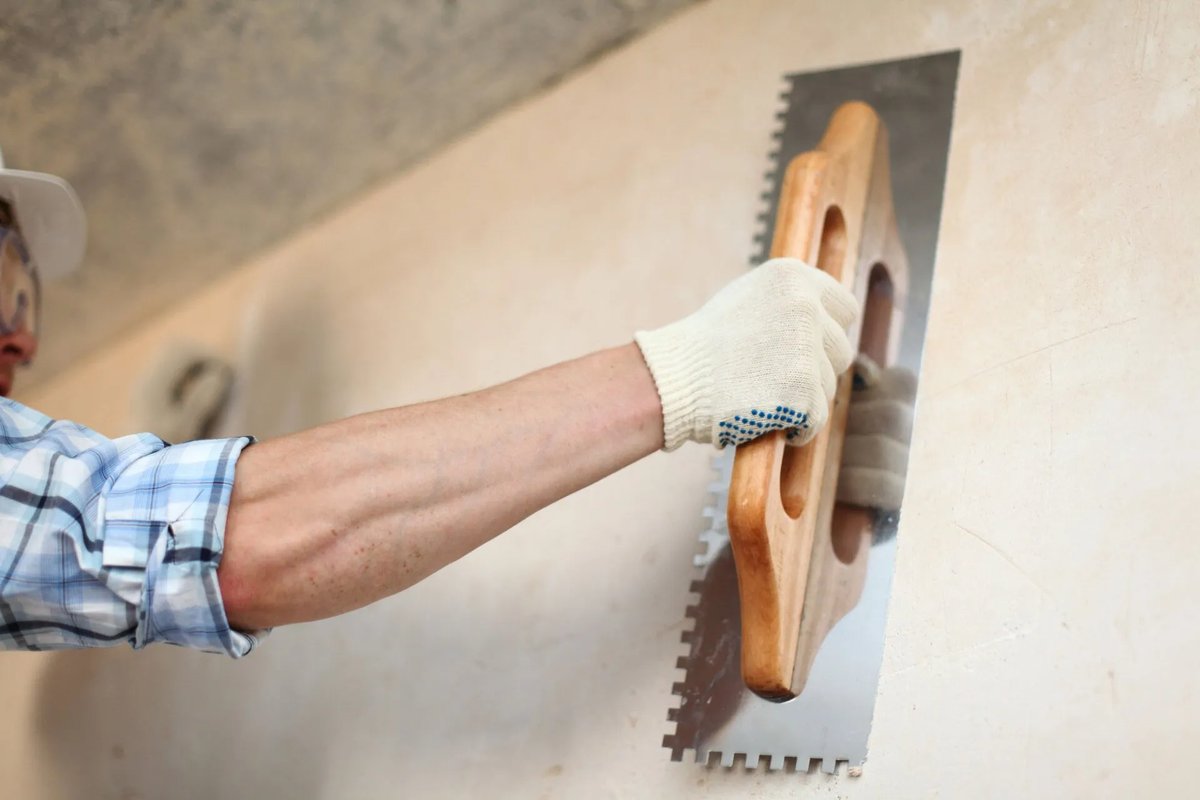
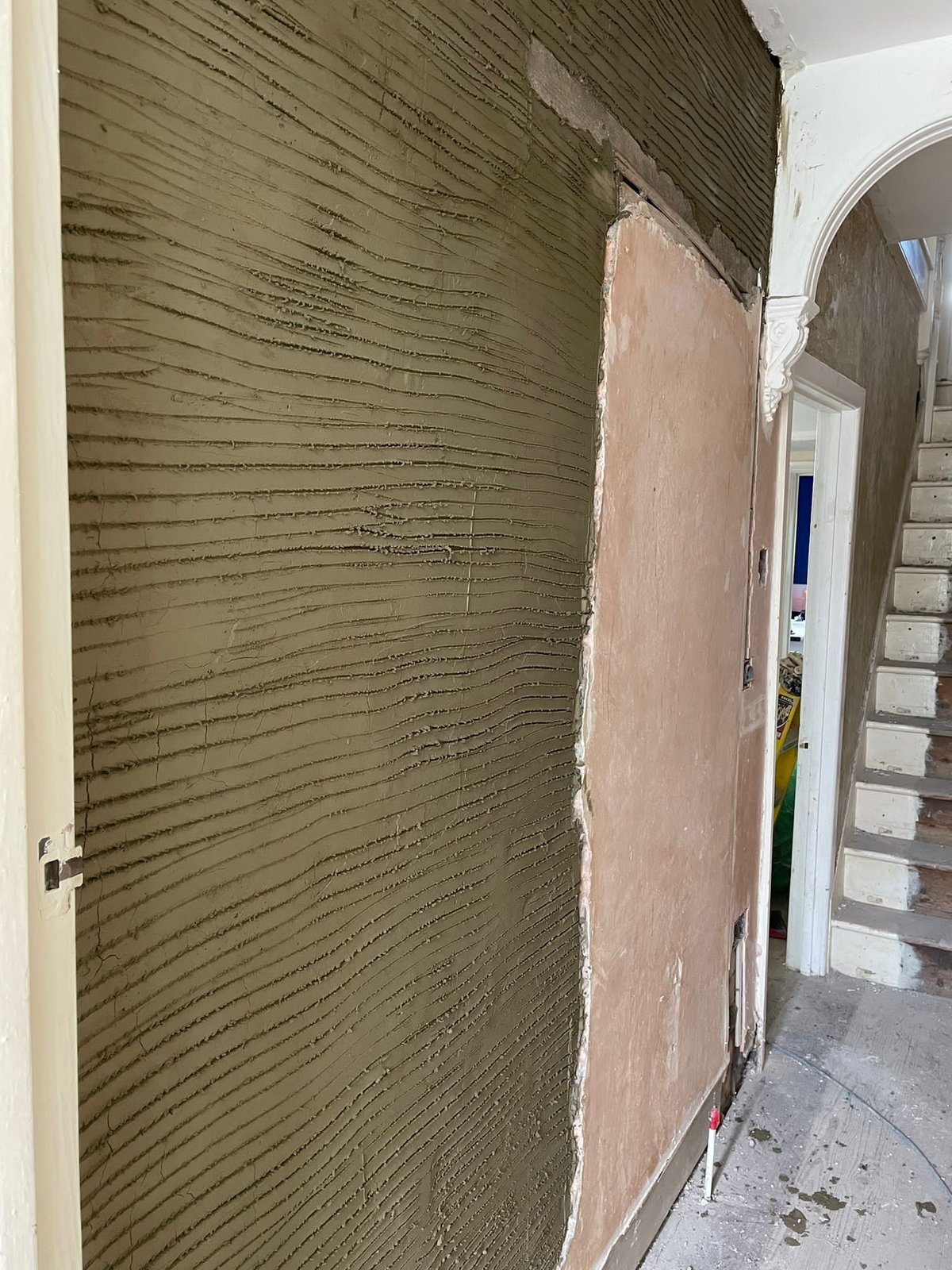
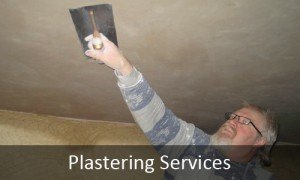
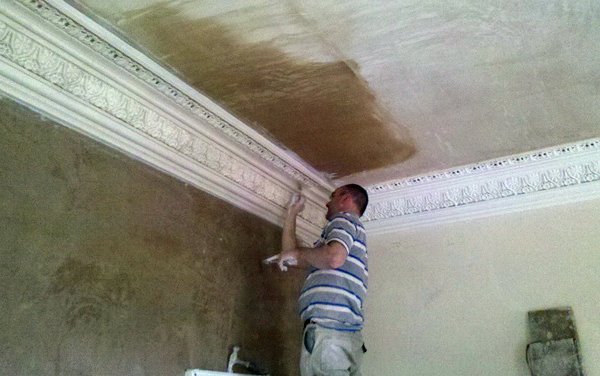
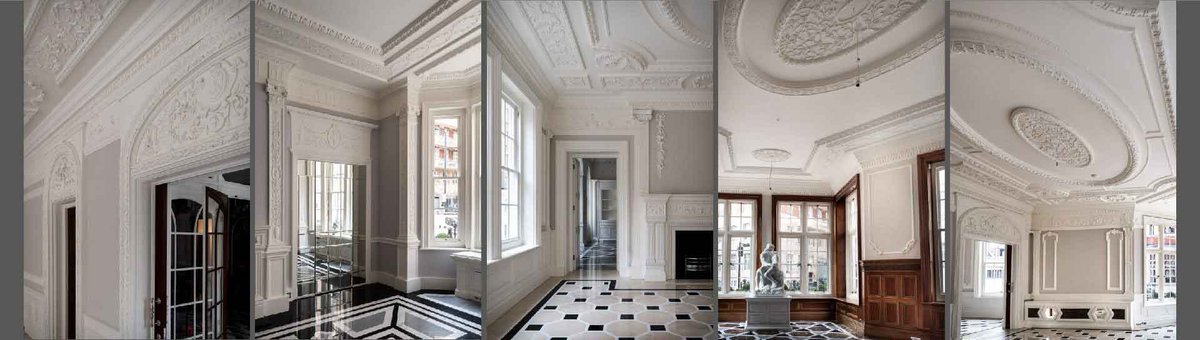
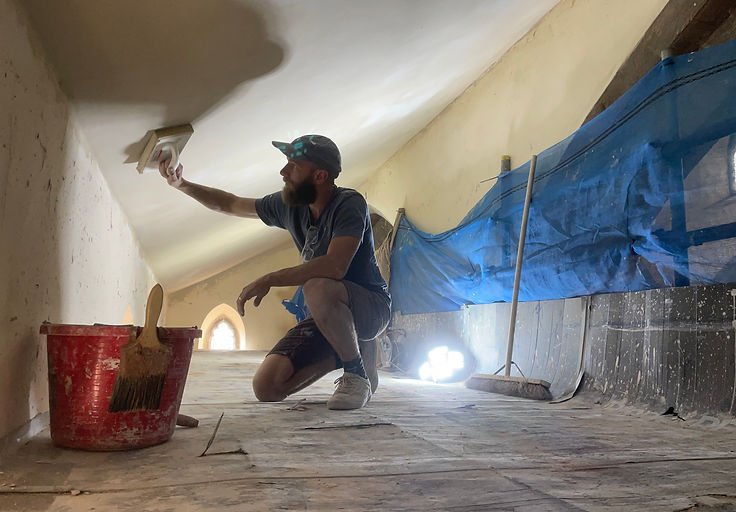
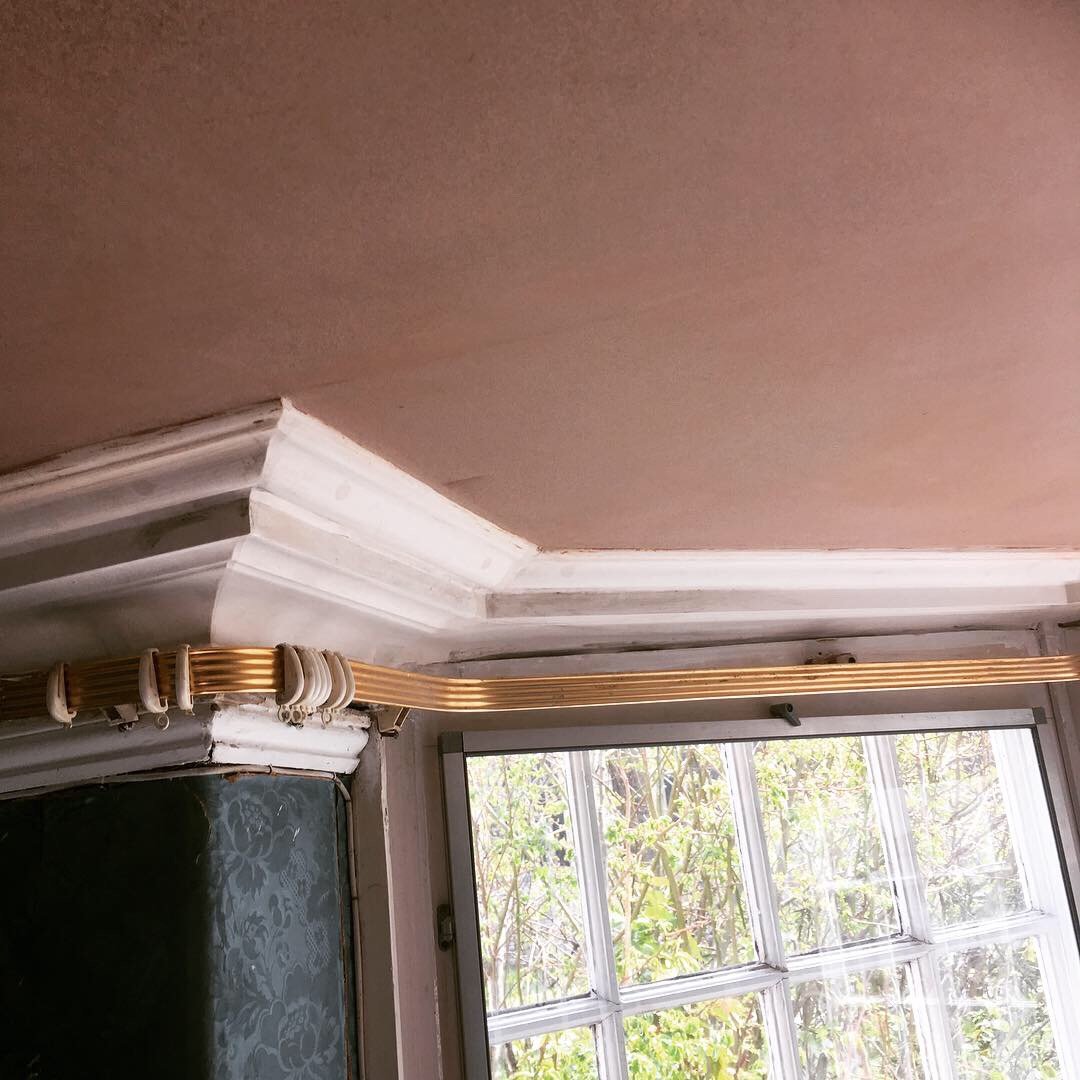
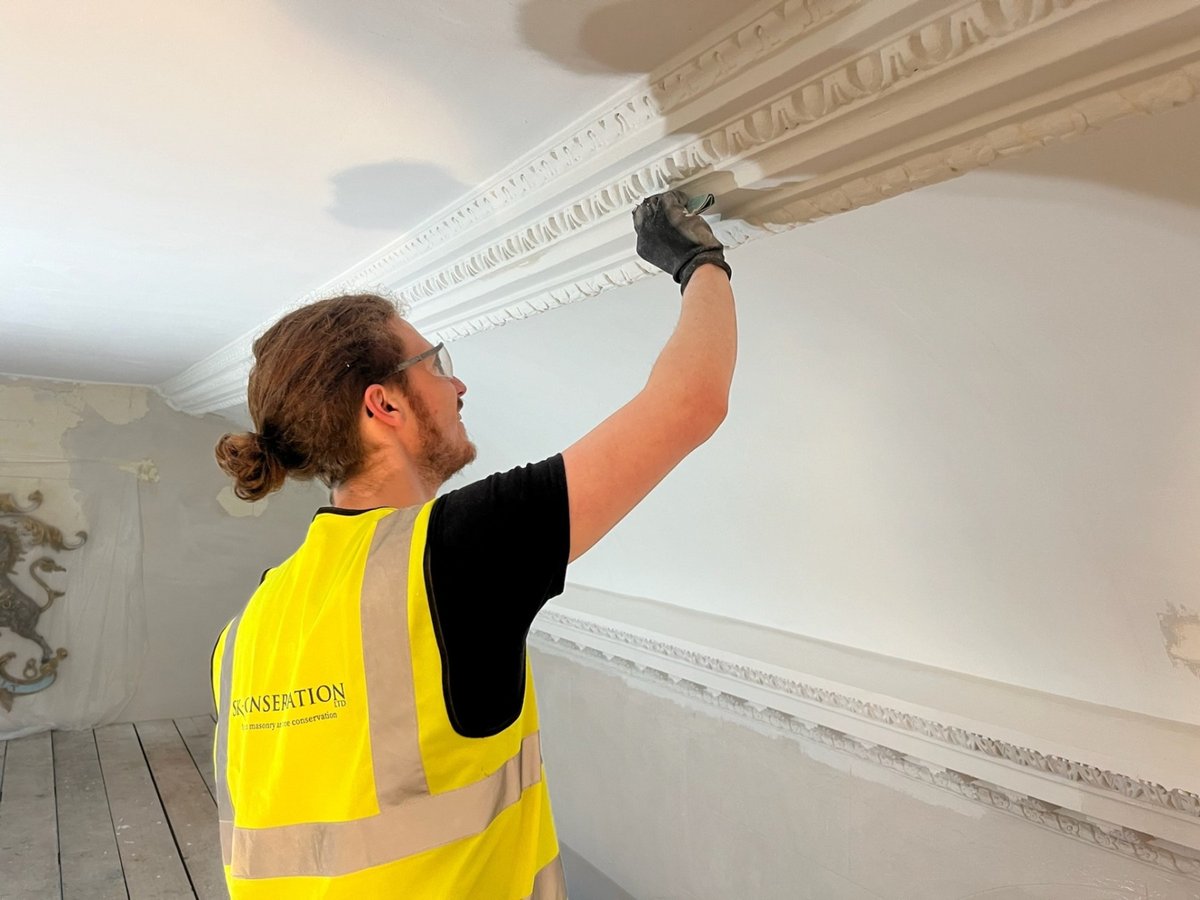
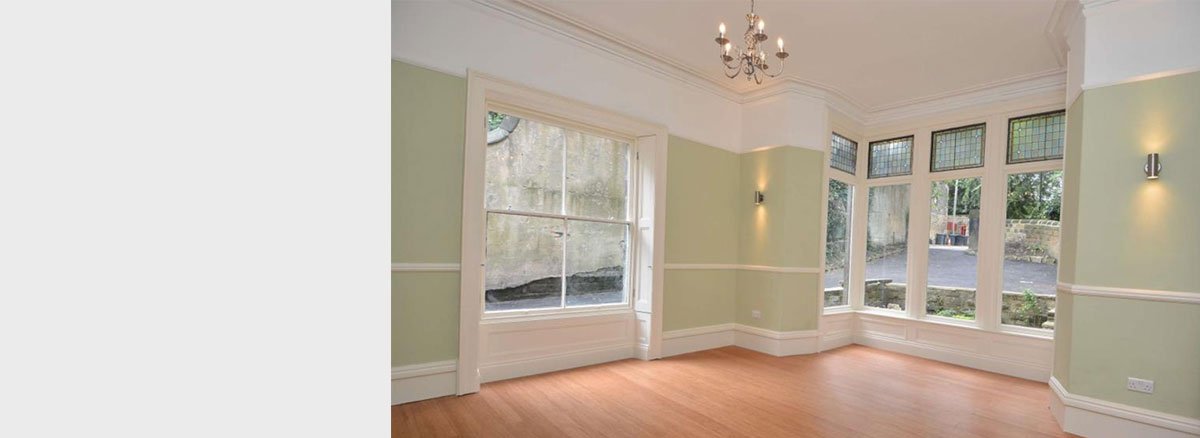
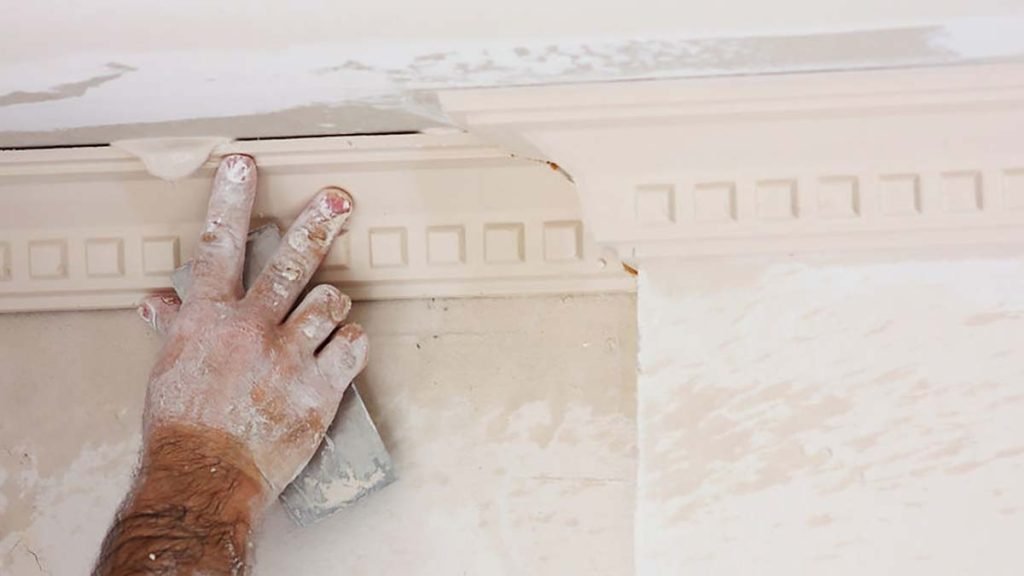
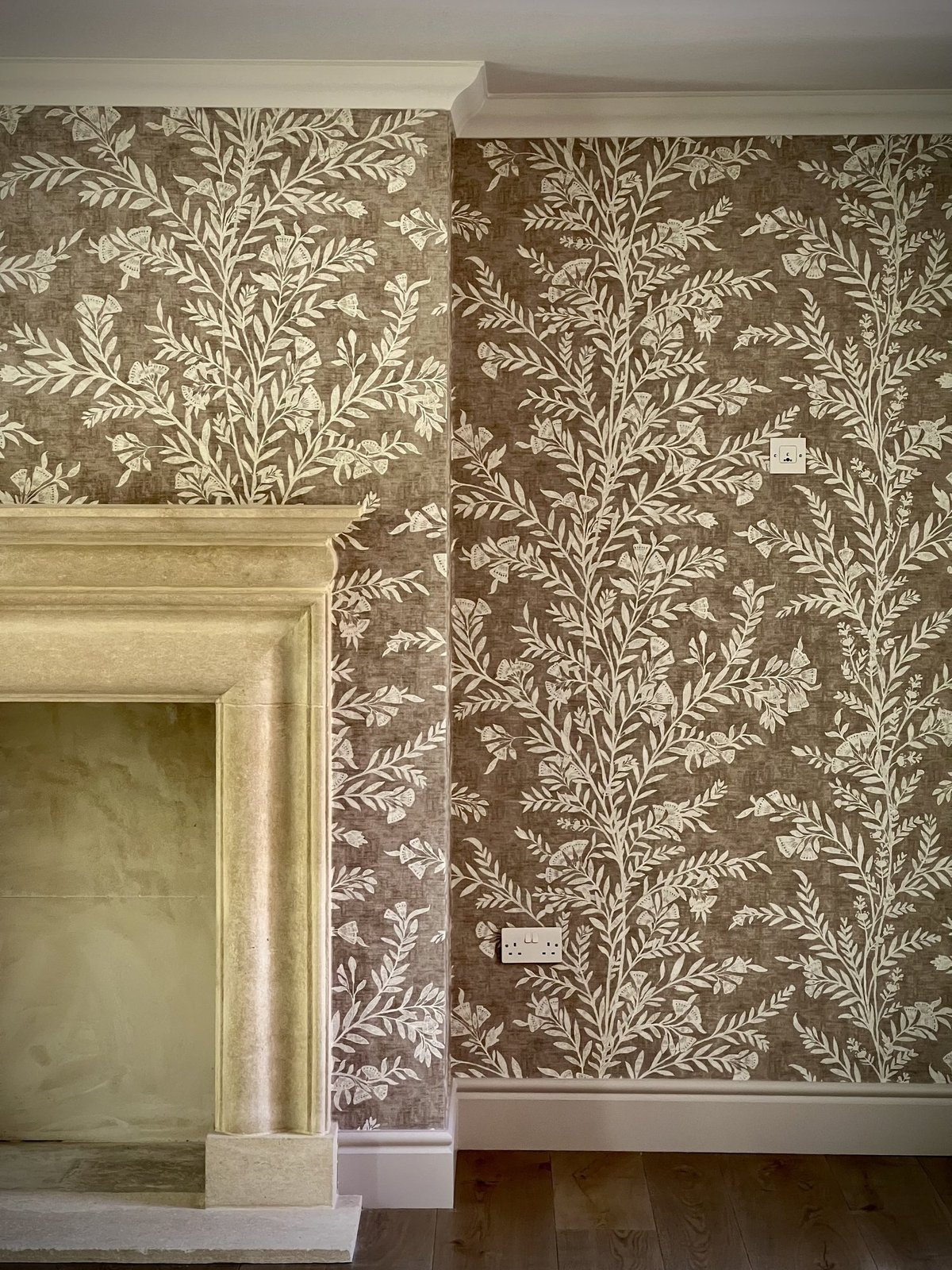
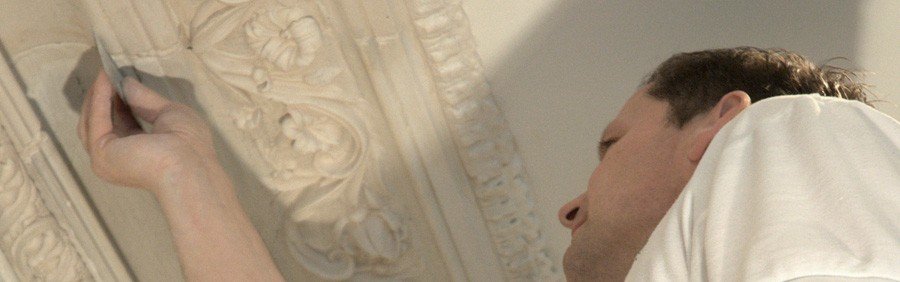
Lime plastering involves applying one or more coats of lime-based plaster to internal walls and ceilings. Traditional lime plaster is mixed using lime putty or hydraulic lime combined with aggregates such as sand and sometimes animal hair for reinforcement. The result is a surface that regulates humidity, resists mould growth, and develops a beautiful, slightly textured finish that improves with age. Lime plaster is particularly important in buildings with solid walls, where it allows moisture from the masonry to evaporate safely into the room. Restoration work often involves carefully matching the original plaster's composition and aggregate to achieve an invisible repair.
Lime Pointing
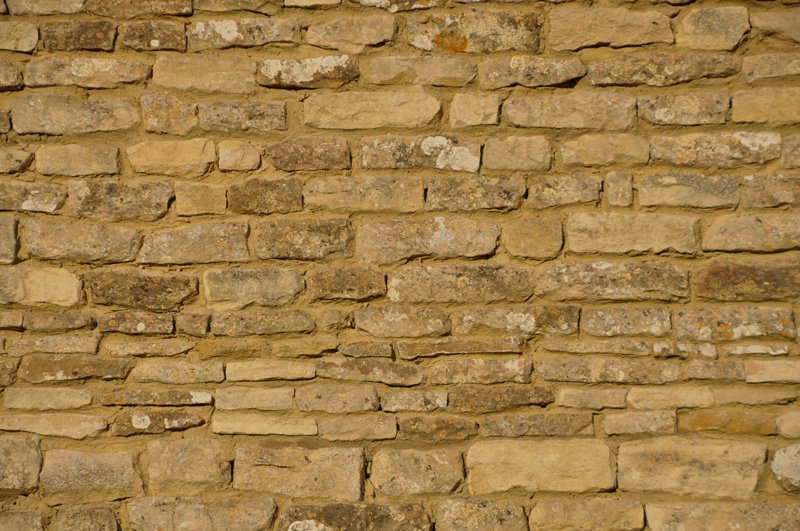
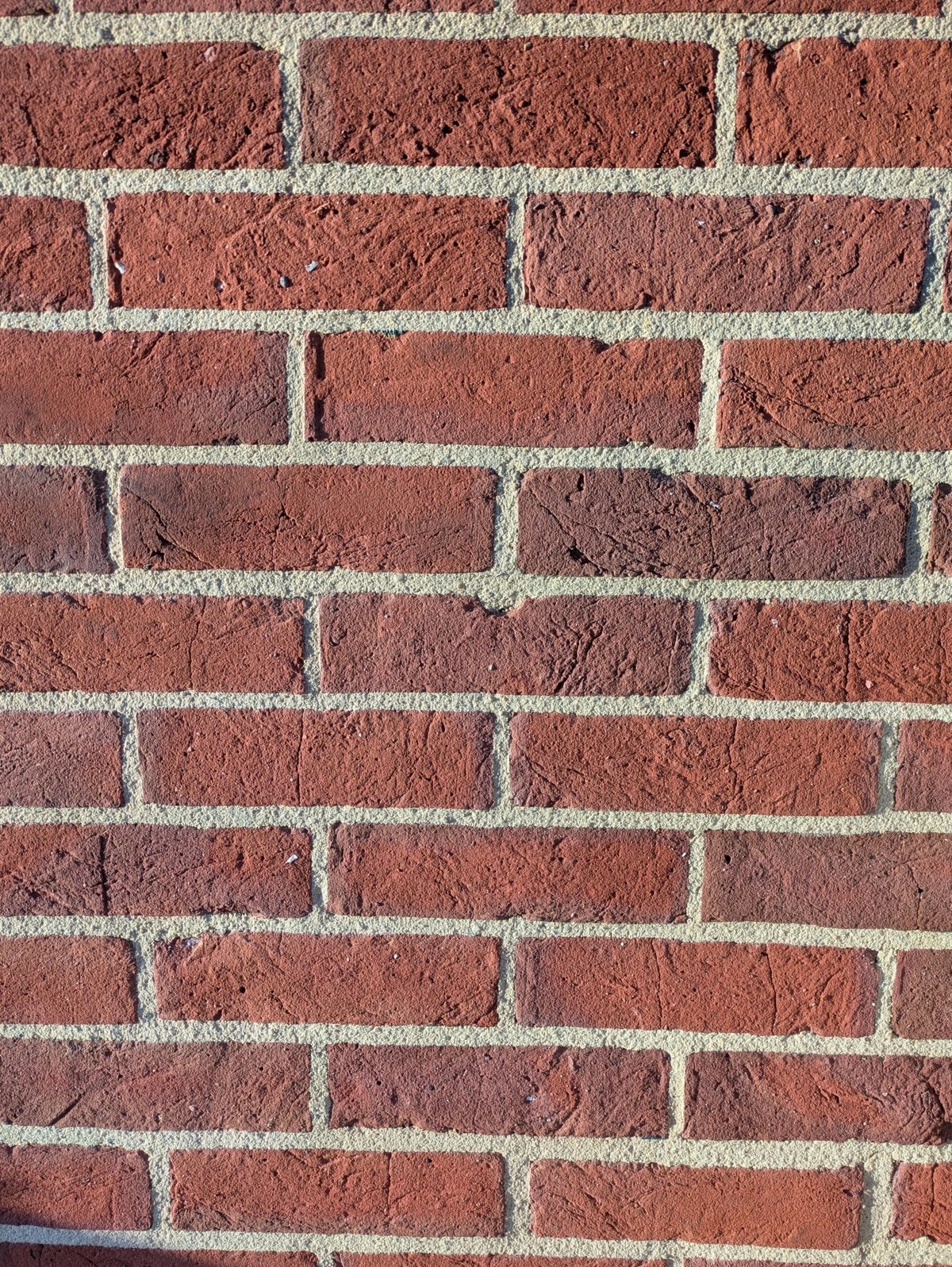
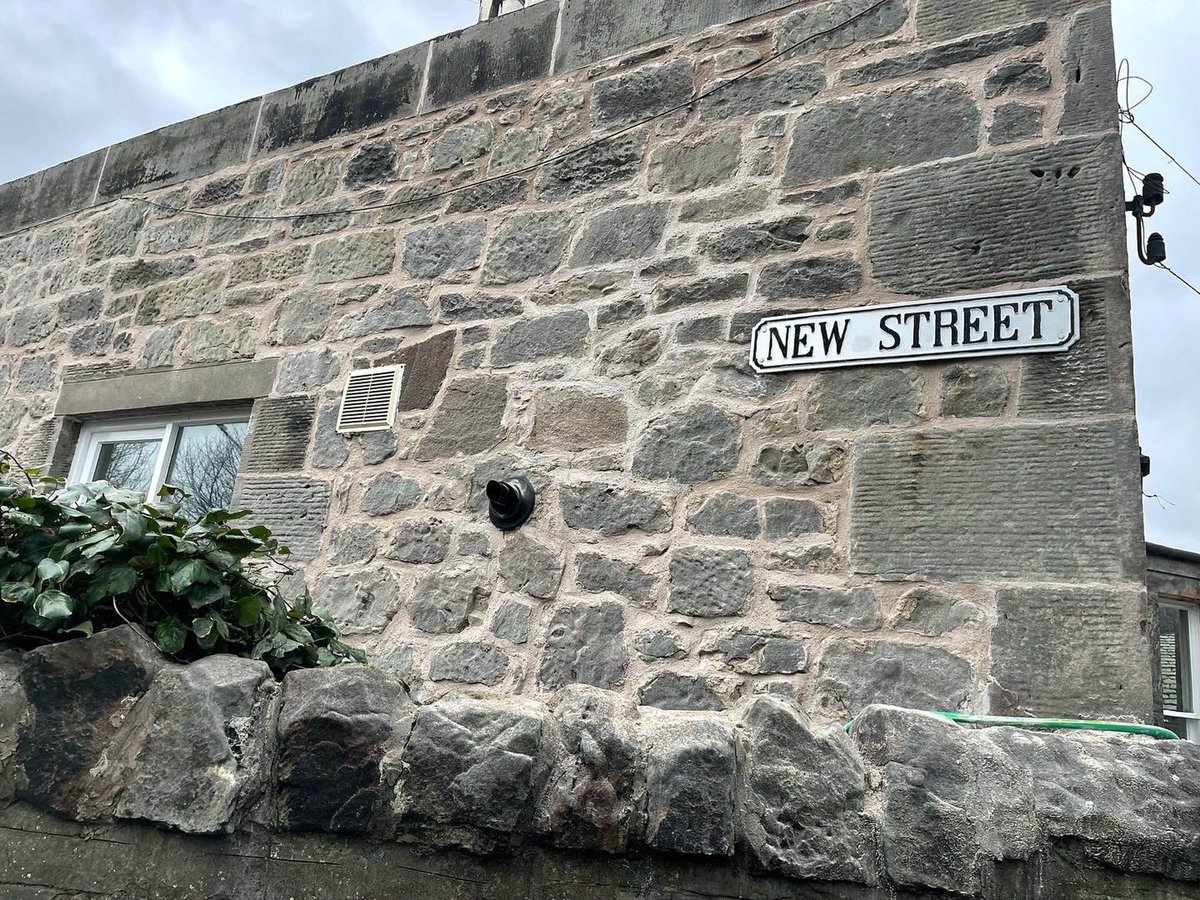
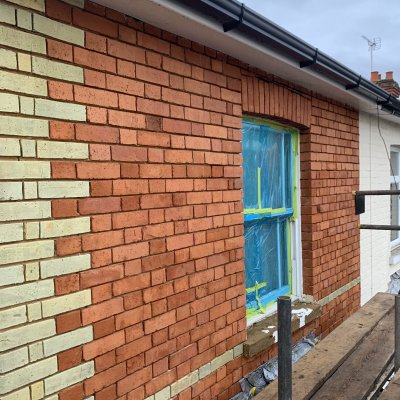
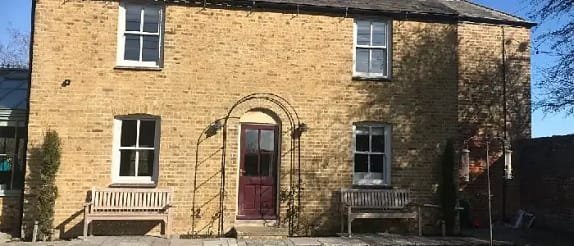
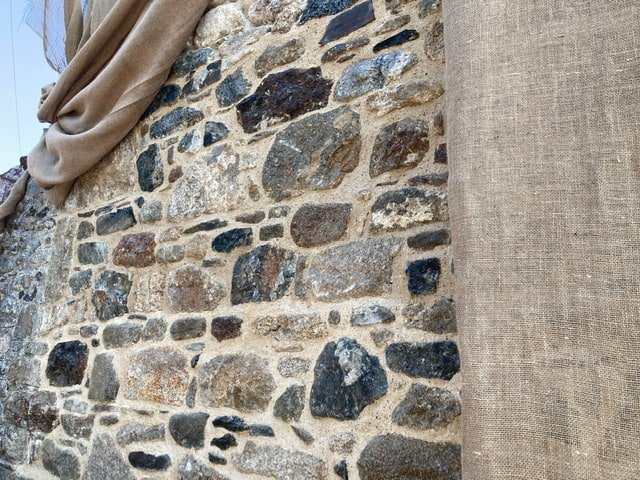
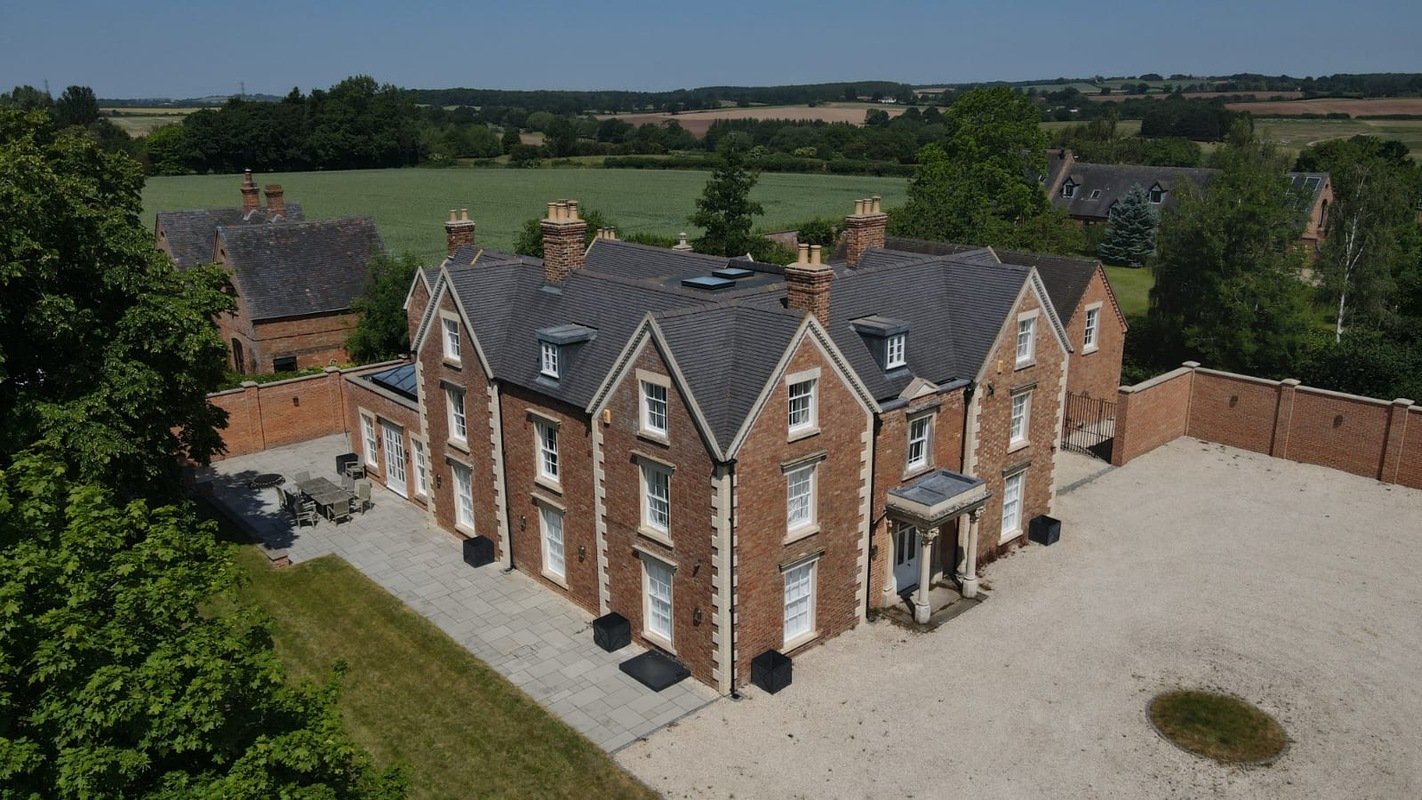
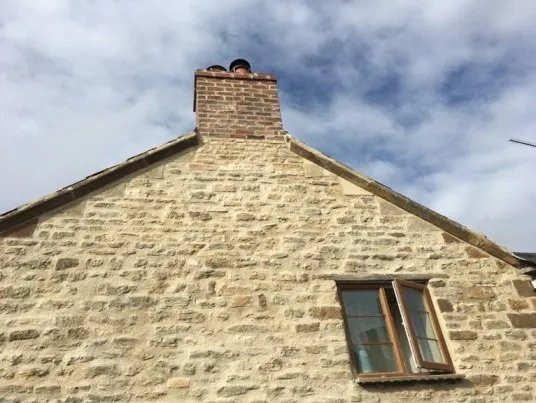
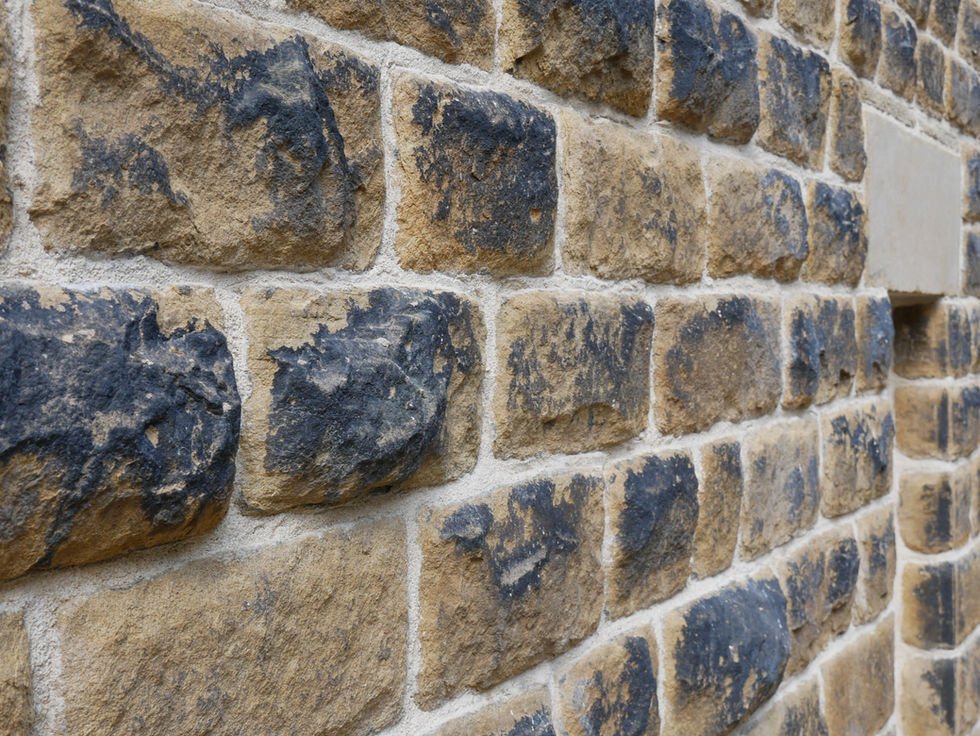
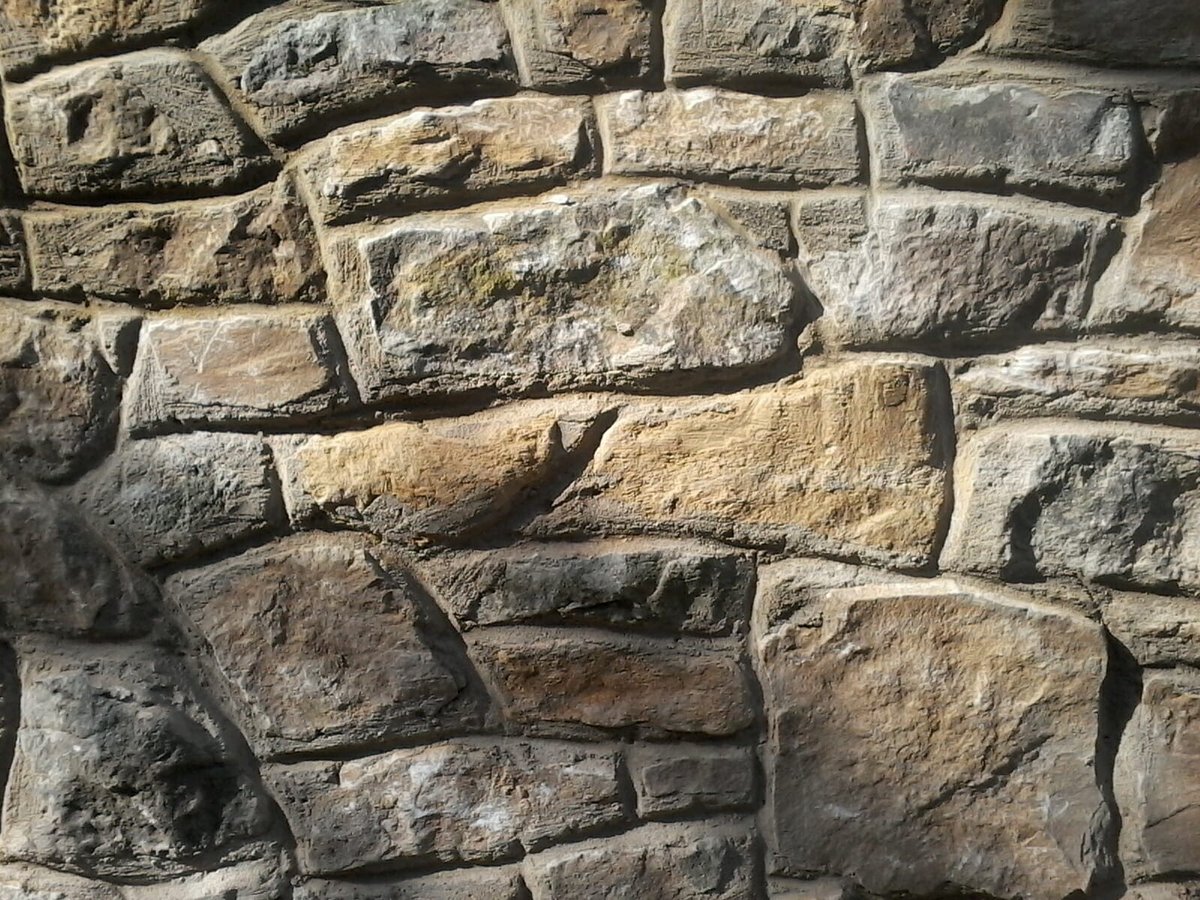
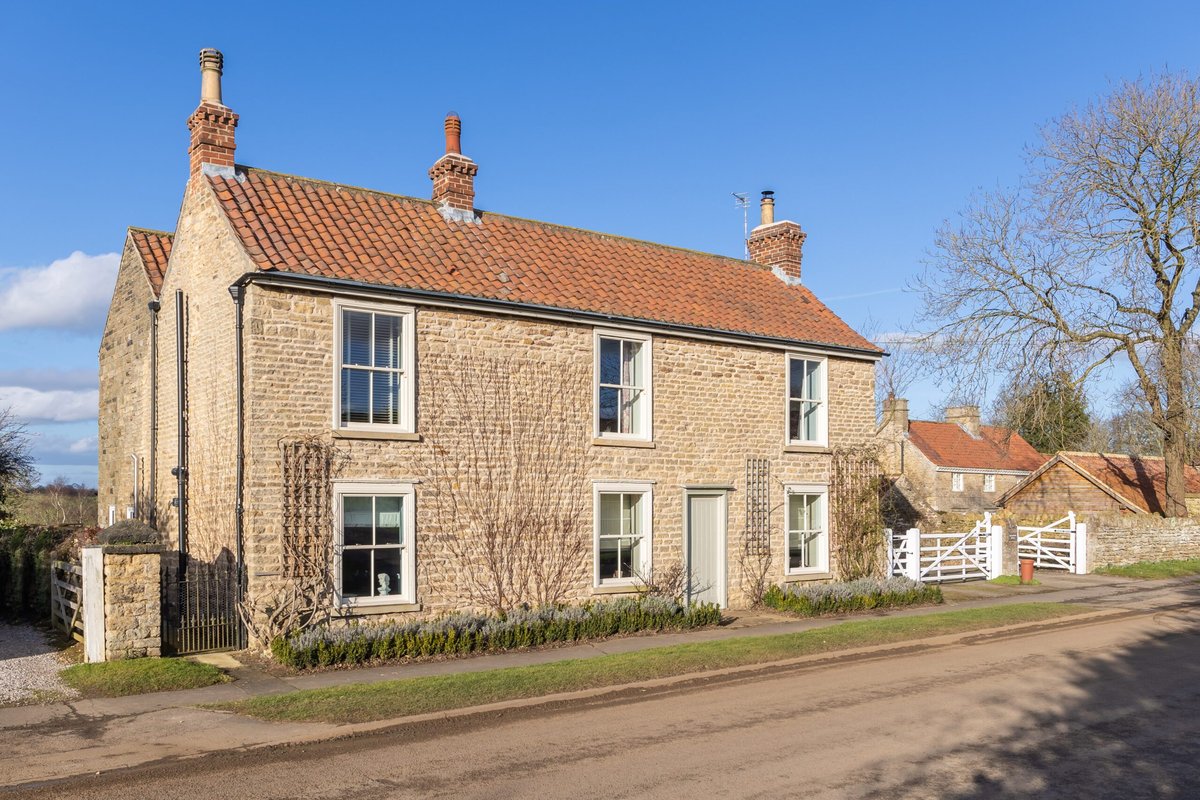
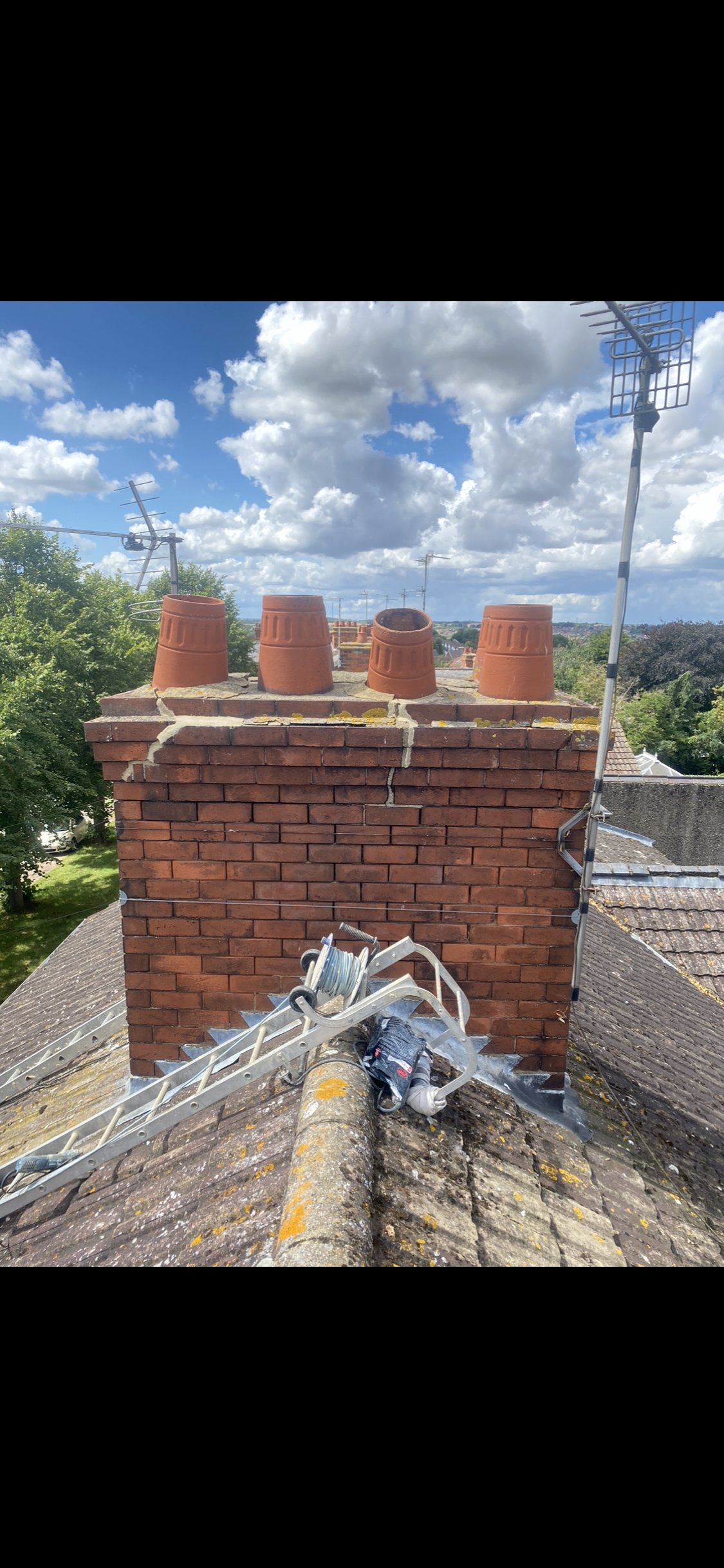
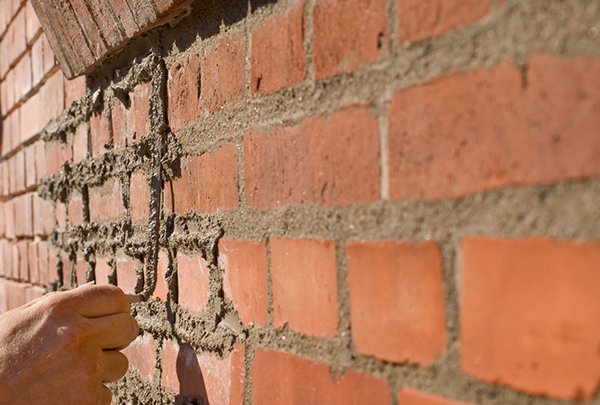
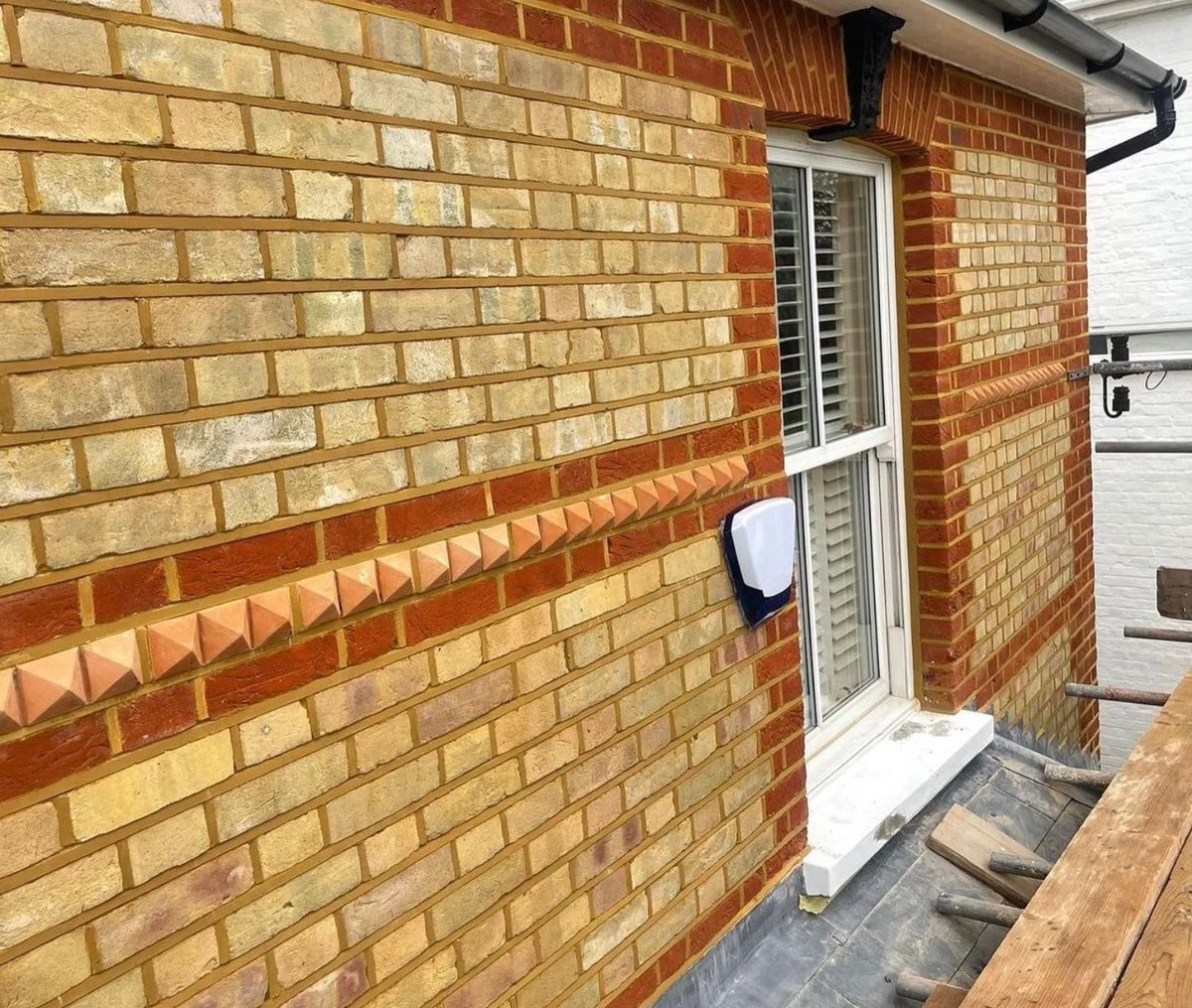
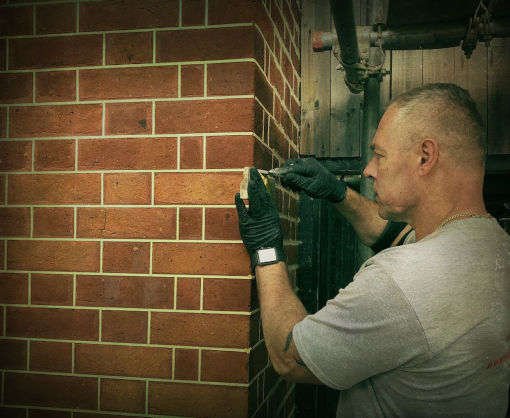
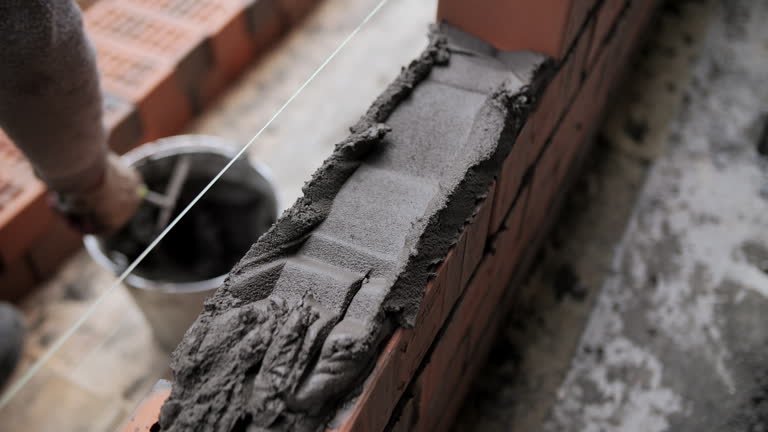
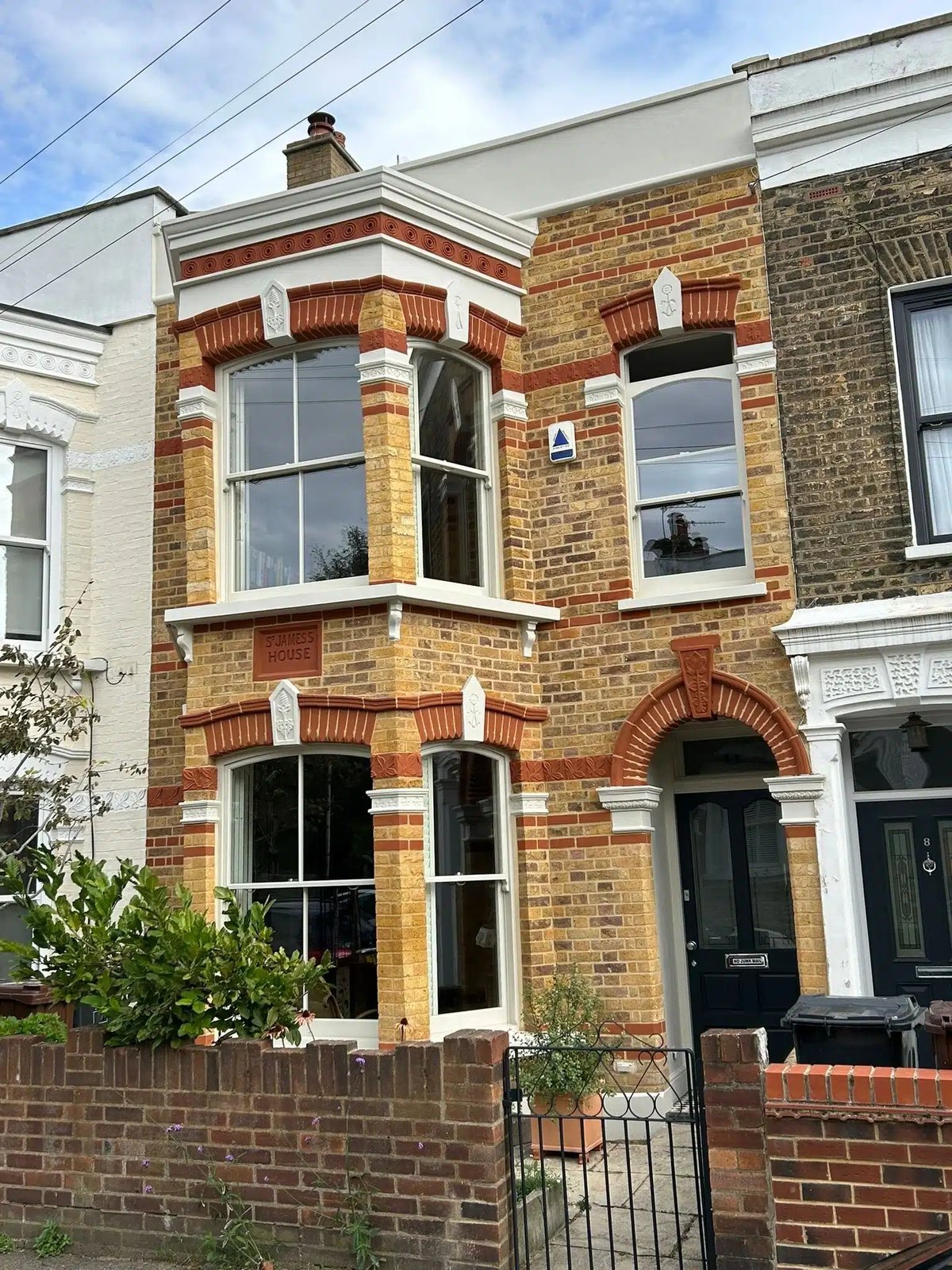
Lime pointing is the process of filling the joints between bricks or stones with lime mortar. Period properties were built using lime mortars that are softer than the masonry units themselves, allowing the joints to act as sacrificial elements that can be renewed over time. Repointing with modern cement is one of the most damaging things that can happen to an old building, as it traps moisture and causes the brick or stone faces to spall. Professional lime pointing involves carefully raking out old mortar to the appropriate depth, selecting a lime mortar that matches the original in colour, texture, and strength, and applying it with a finish appropriate to the building's period and style.
Lime Rendering
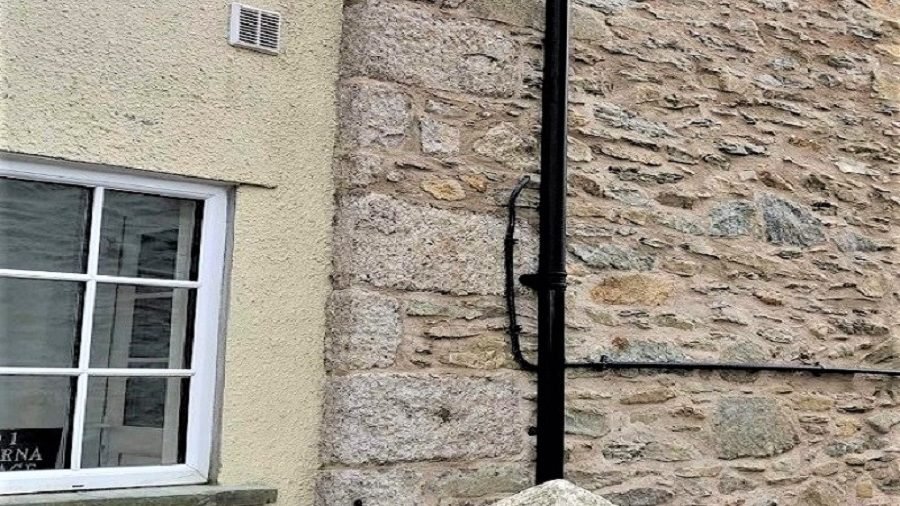
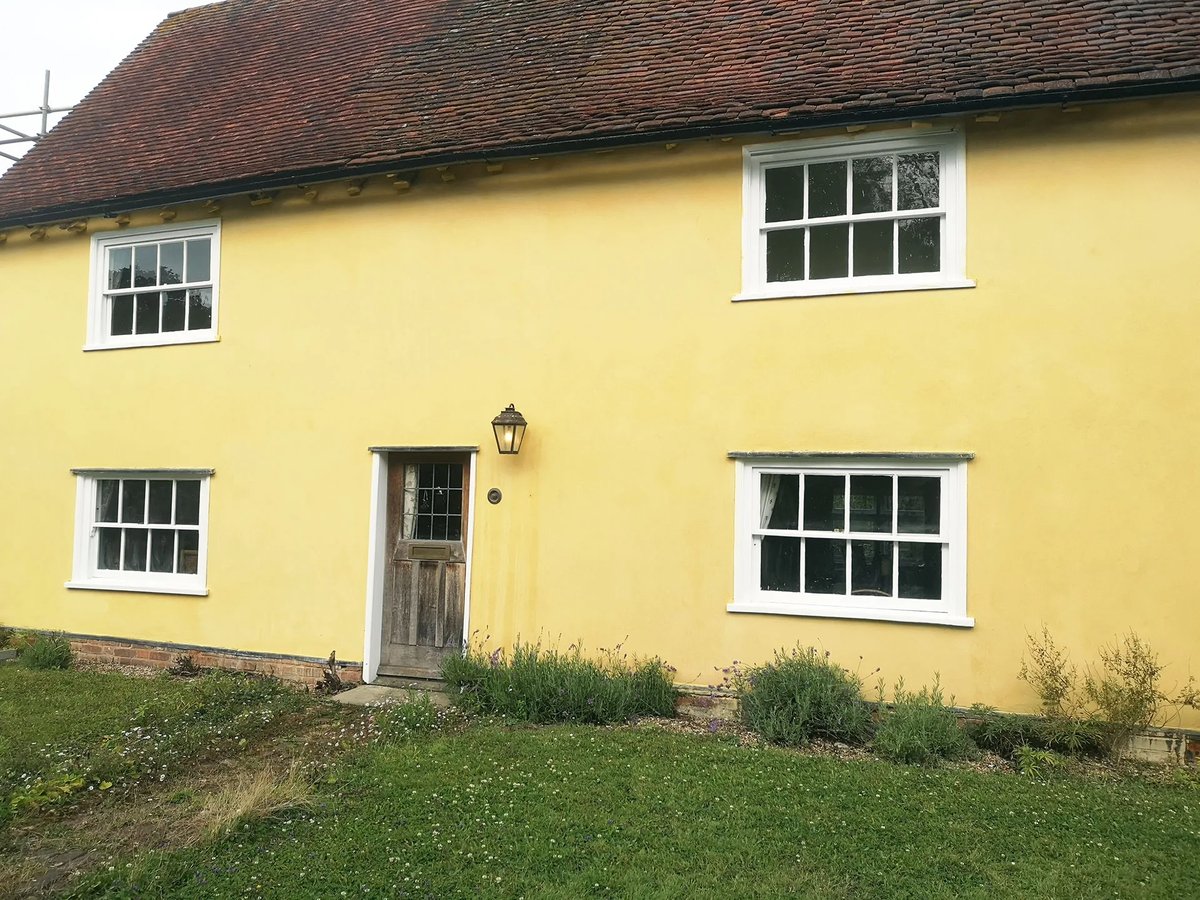
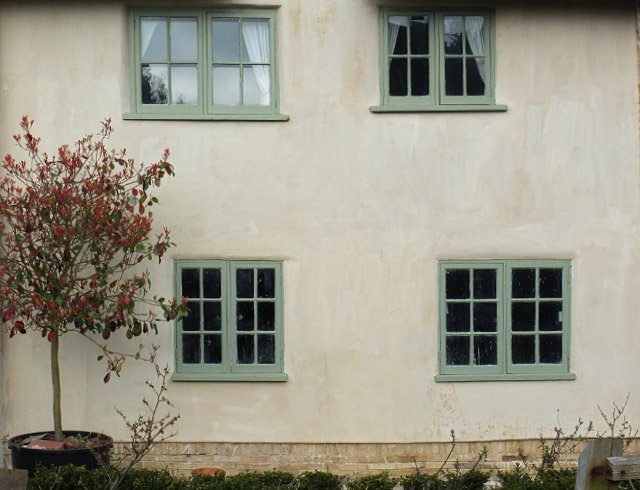
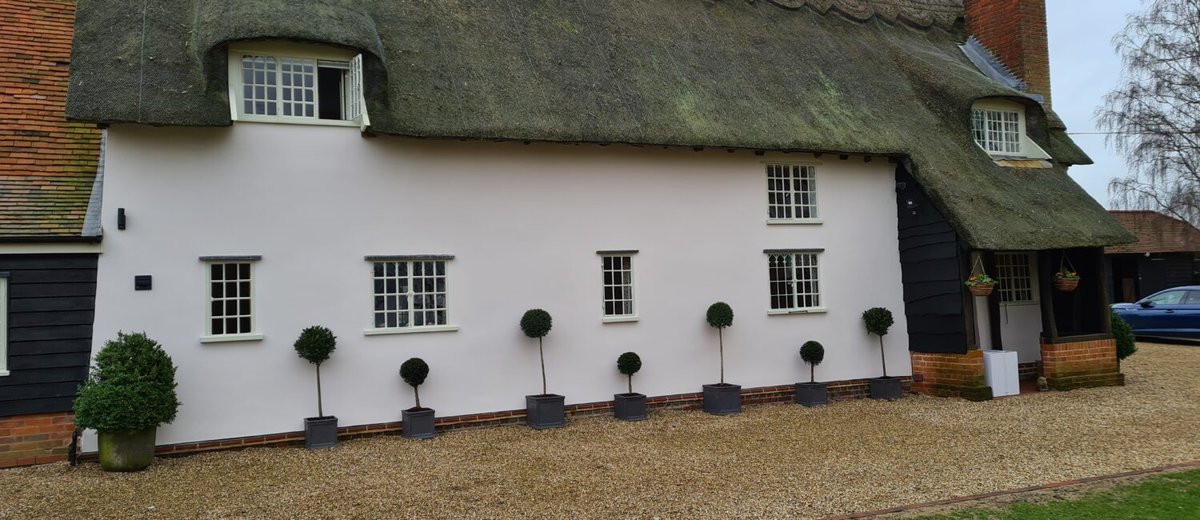
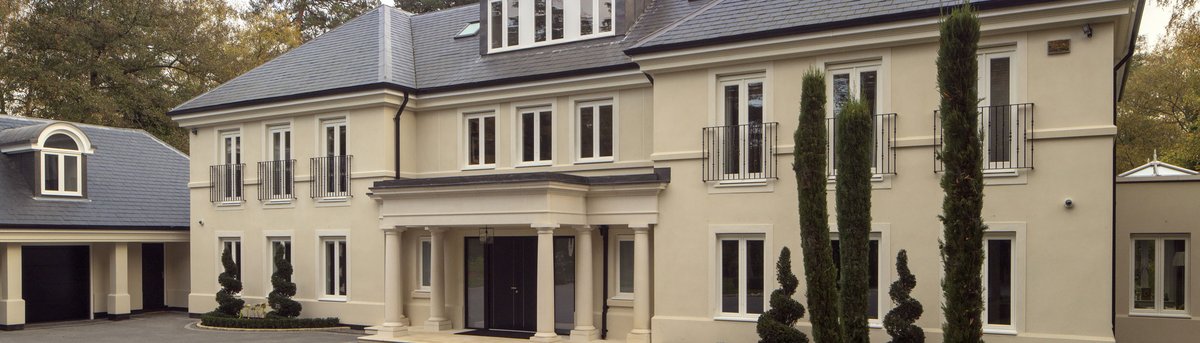
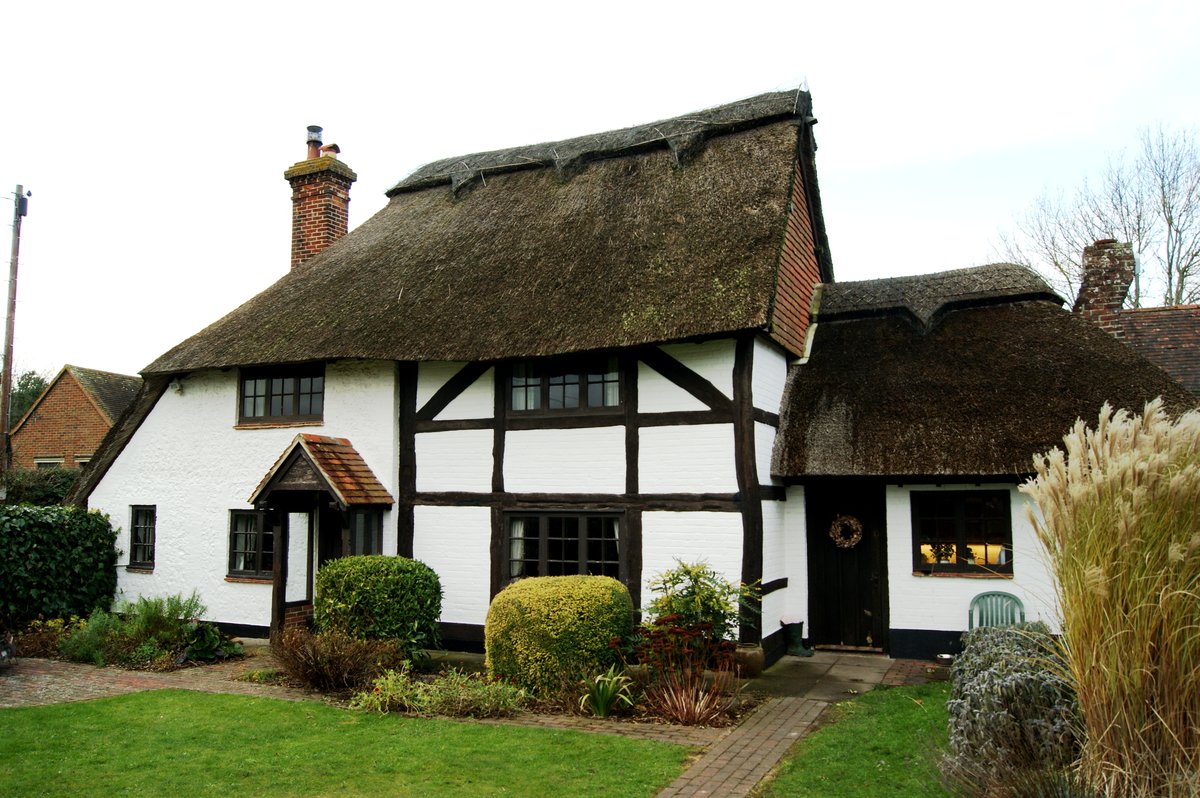
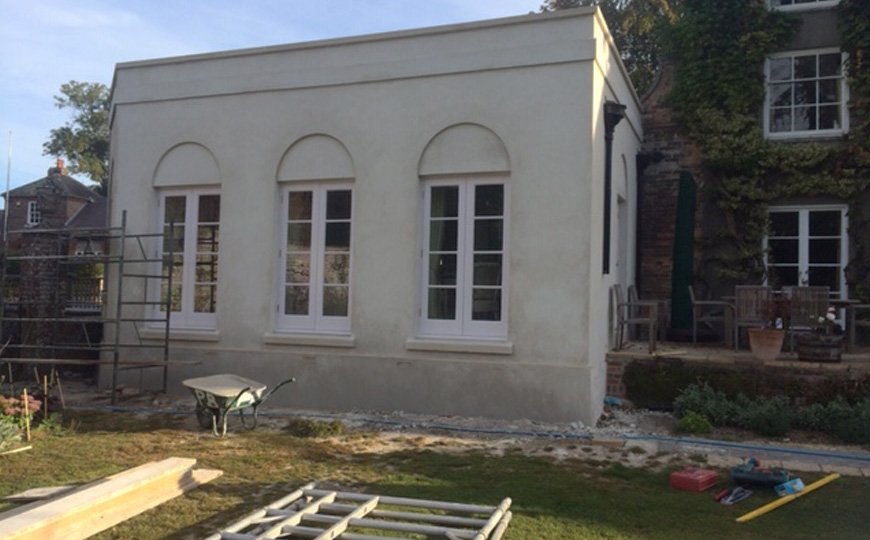
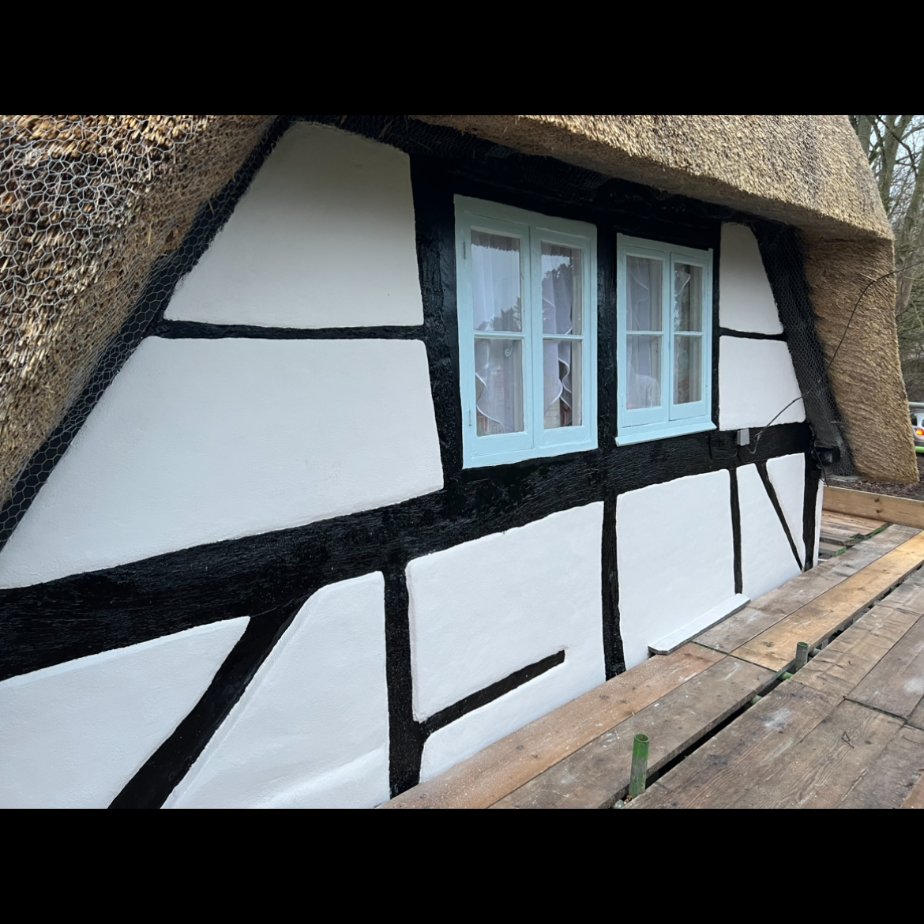
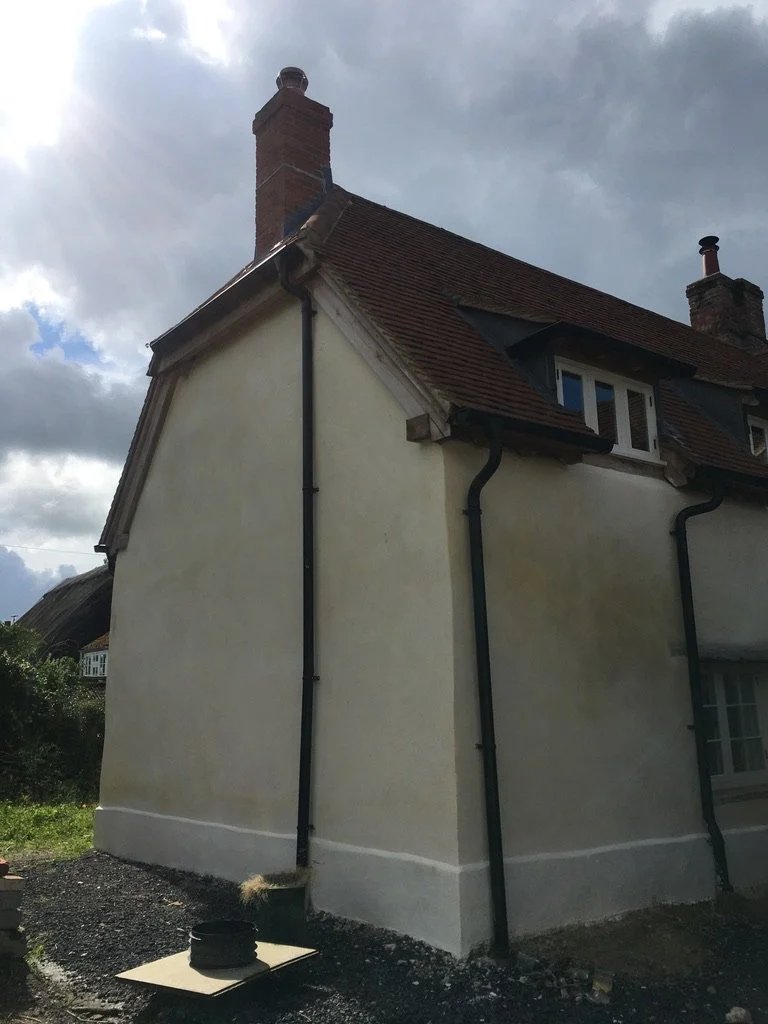
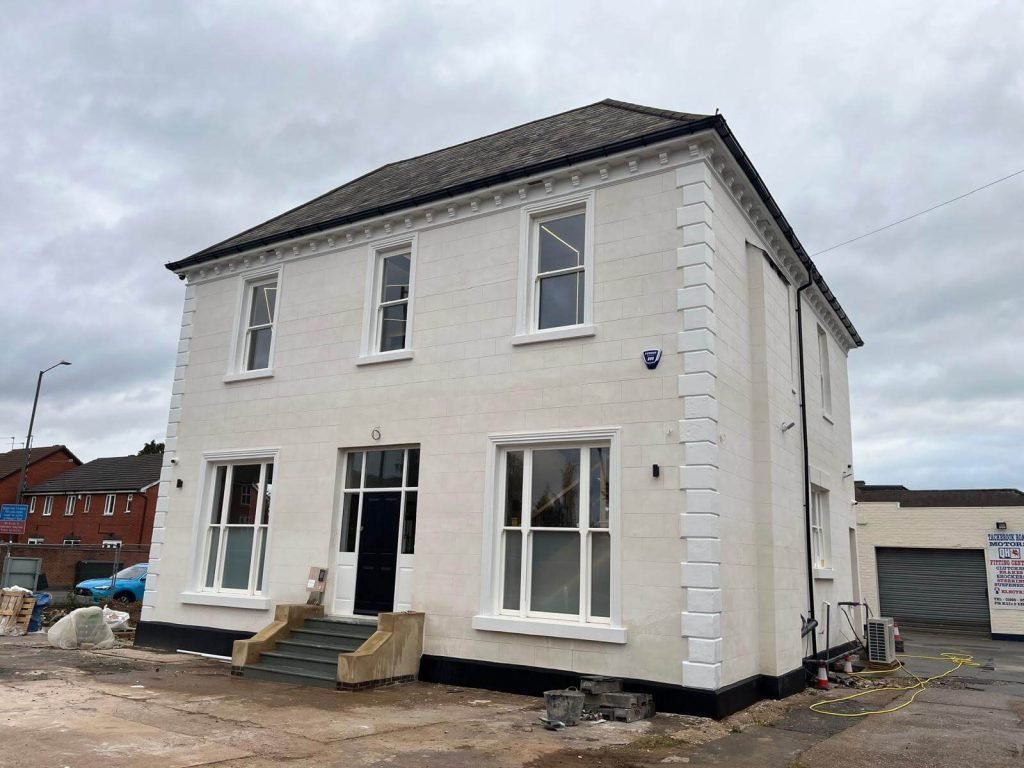
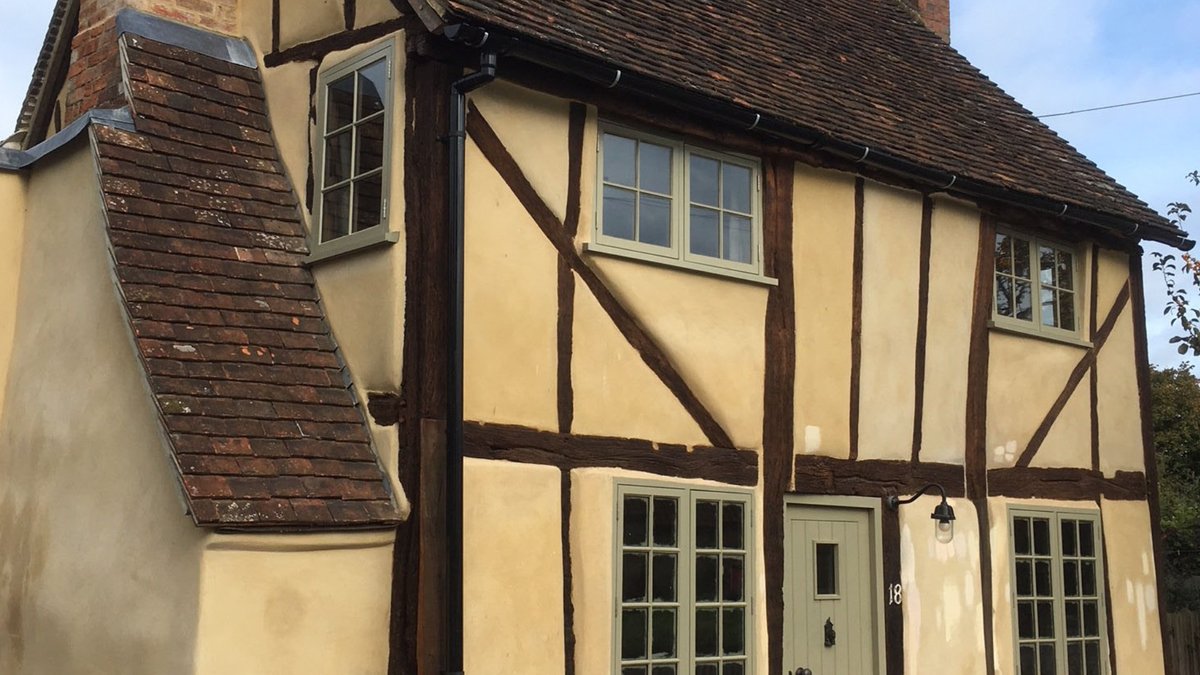
Lime render is an external coating applied to masonry walls for weather protection and aesthetic purposes. Traditional lime renders are built up in multiple coats, with each layer slightly weaker than the one beneath, creating a durable yet breathable protective finish. Many period properties were originally lime rendered, and neglected or inappropriately patched renders often need professional attention. Lime render can be finished in various textures from smooth to roughcast (harling) and can be limewashed in any colour. Unlike cement render, lime is flexible and will accommodate building movement without cracking, and any fine cracks that do occur tend to self-heal through carbonation.
Why Use a Lime Specialist?
Working with lime requires specific skills and understanding that most modern builders don't possess. The chemistry, application techniques, and curing requirements are fundamentally different from cement-based materials.
- Understanding of lime chemistry and the differences between hydraulic lime and lime putty
- Ability to match historic mortars in composition, colour, and texture
- Knowledge of appropriate application techniques and curing conditions
- Experience with the time requirements of lime work (it can't be rushed)
- Awareness of health and safety requirements when working with quicklime
Typical Costs for Lime Work
Lime work is more labour-intensive than modern alternatives and requires skilled craftsmen. The following ranges reflect the specialist nature of this work.
| Service | Typical Cost |
|---|---|
| Lime pointing (per m²) | £80 - £150 |
| Lime plastering internal walls (per m²) | £45 - £80 |
| Lime rendering external walls (per m²) | £60 - £120 |
| Limewash finish (per m²) | £15 - £30 |
Lime work costs vary significantly based on access requirements, condition of substrate, and specification. Always obtain detailed quotes.
Frequently Asked Questions
Common questions about lime & plastering services for period properties
What's the difference between lime putty and hydraulic lime?
Lime putty (non-hydraulic lime) sets purely through carbonation - absorbing CO2 from the air. It remains workable for extended periods and produces the softest, most breathable mortars. Hydraulic lime contains reactive silicates that allow it to set through a chemical reaction with water, working faster and achieving greater strength. NHL 2, 3.5, and 5 indicate increasing hydraulicity and strength. The choice depends on the building, its exposure, and the original mortar specification.
How long does lime mortar take to cure?
Lime mortars cure much more slowly than cement. Lime putty mortars may take months or even years to fully carbonate, while hydraulic lime achieves initial set within days but continues to gain strength over months. Work should be protected from rain, frost, and direct sun during initial curing, typically 2-4 weeks. This longer timescale is one reason lime work costs more than cement-based alternatives.
Can I use lime on a modern house?
Lime can be used on any building, though it's essential for pre-1920s buildings with solid walls. On modern cavity wall construction, lime remains beneficial for its breathability and aesthetic qualities, particularly for external renders. However, the underlying structure must be appropriate - lime shouldn't be applied over cement render or non-breathable surfaces without proper preparation.
Why does my cement pointing keep failing?
Cement mortar is too hard and inflexible for most period masonry. It doesn't accommodate building movement, causing cracks where water enters. Being non-breathable, it traps moisture which freezes and expands, breaking the mortar and often damaging adjacent brick or stone faces. The correct solution is to remove the cement and repoint with appropriate lime mortar, allowing the wall to breathe and move naturally.
Are you a lime & plastering specialist?
Join our directory and connect with homeowners across the UK who are looking for your expertise in period property restoration.
List Your Business