Period Flooring Restoration
Specialists in parquet, encaustic tiles, flagstone, and historic floor finishes
Historic floors are fundamental to a period property's character. Whether elegant parquet in a Victorian drawing room, robust flagstones in a Georgian hallway, or decorative encaustic tiles in an Edwardian porch, these floors were built to last for centuries - and with proper care, they will.
Last updated: 25 October 2026
161 results found

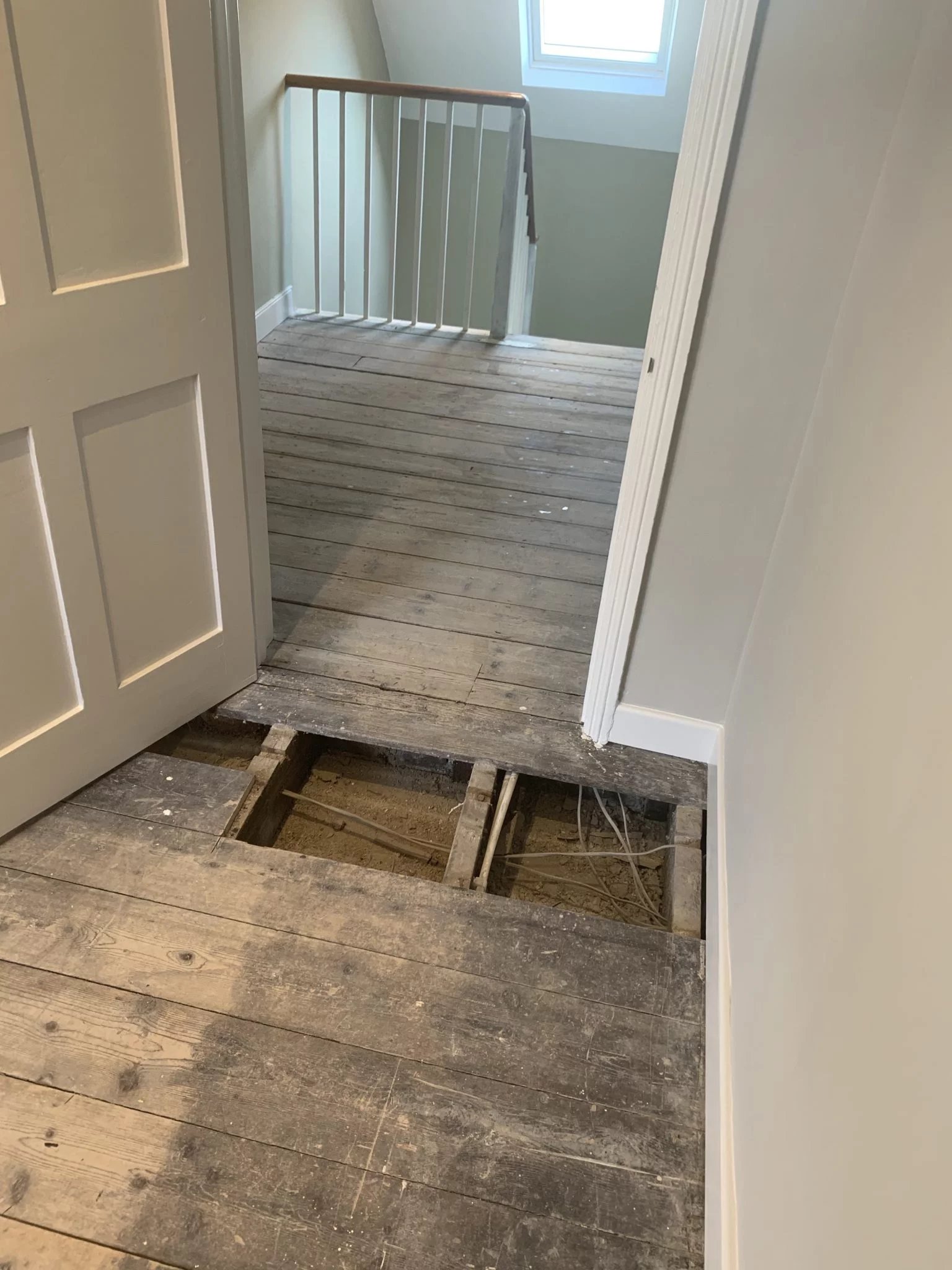



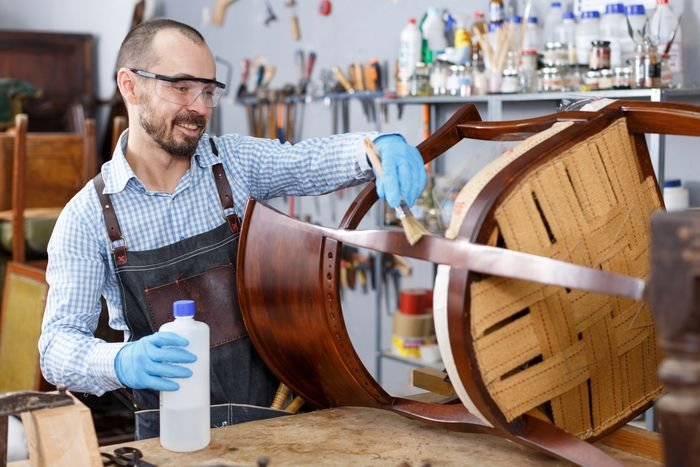
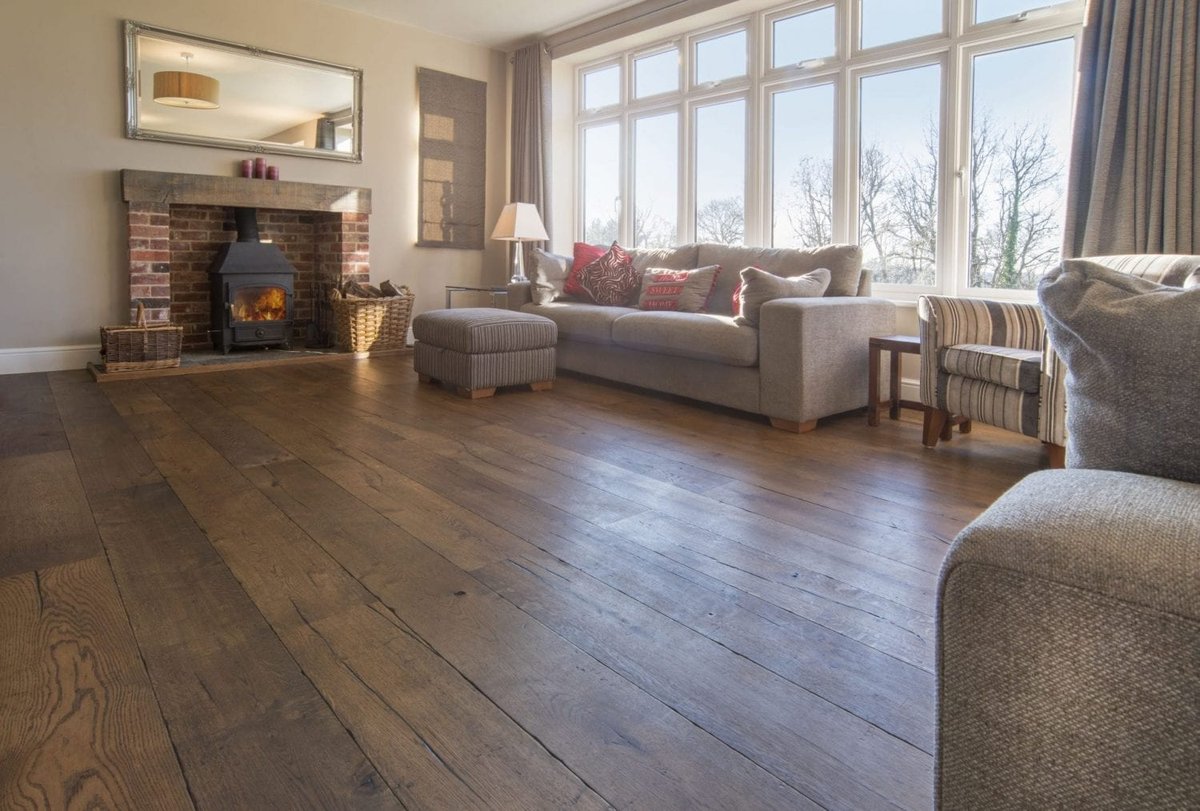
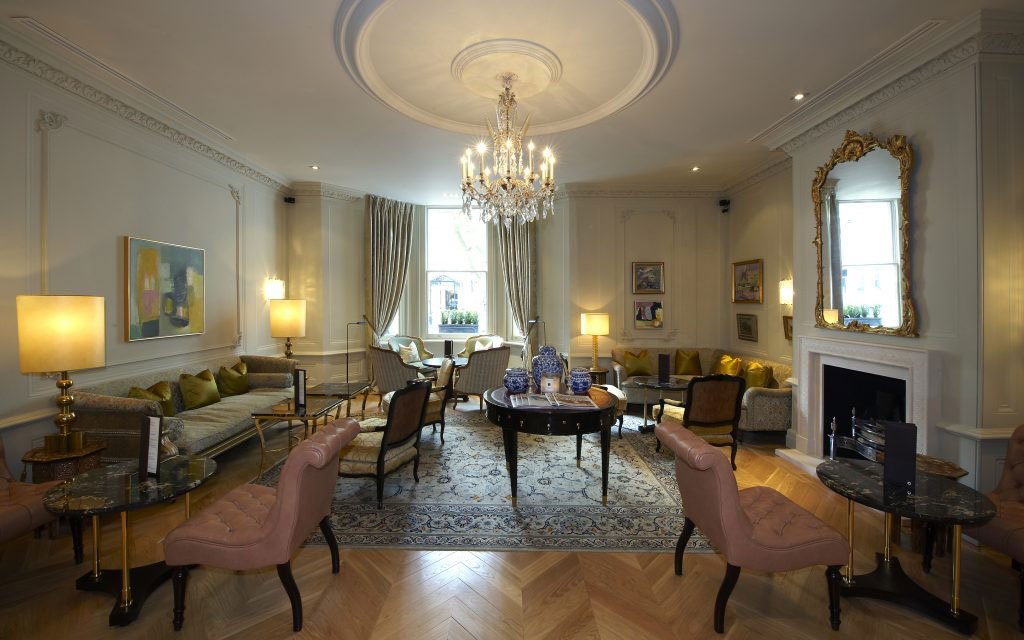







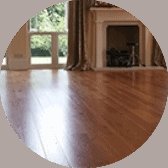
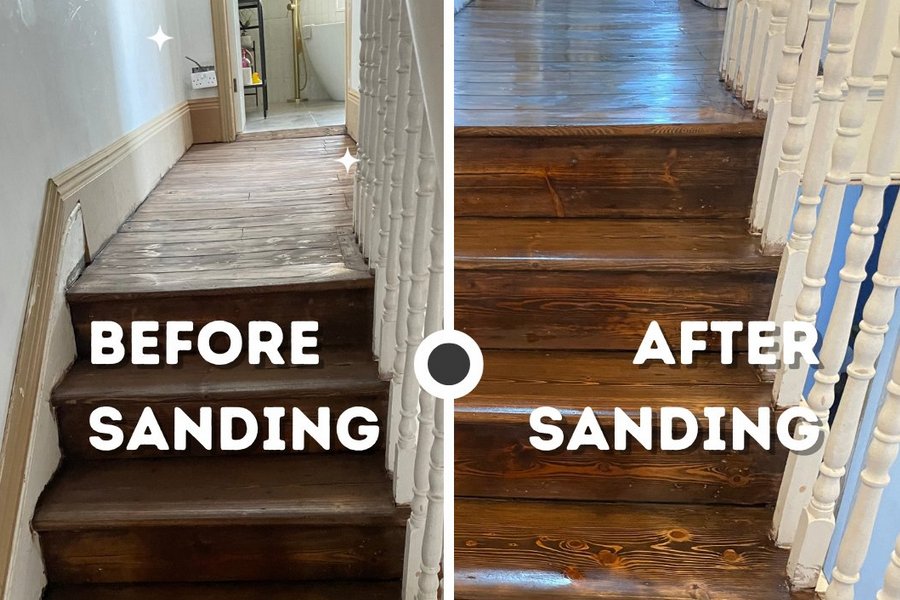
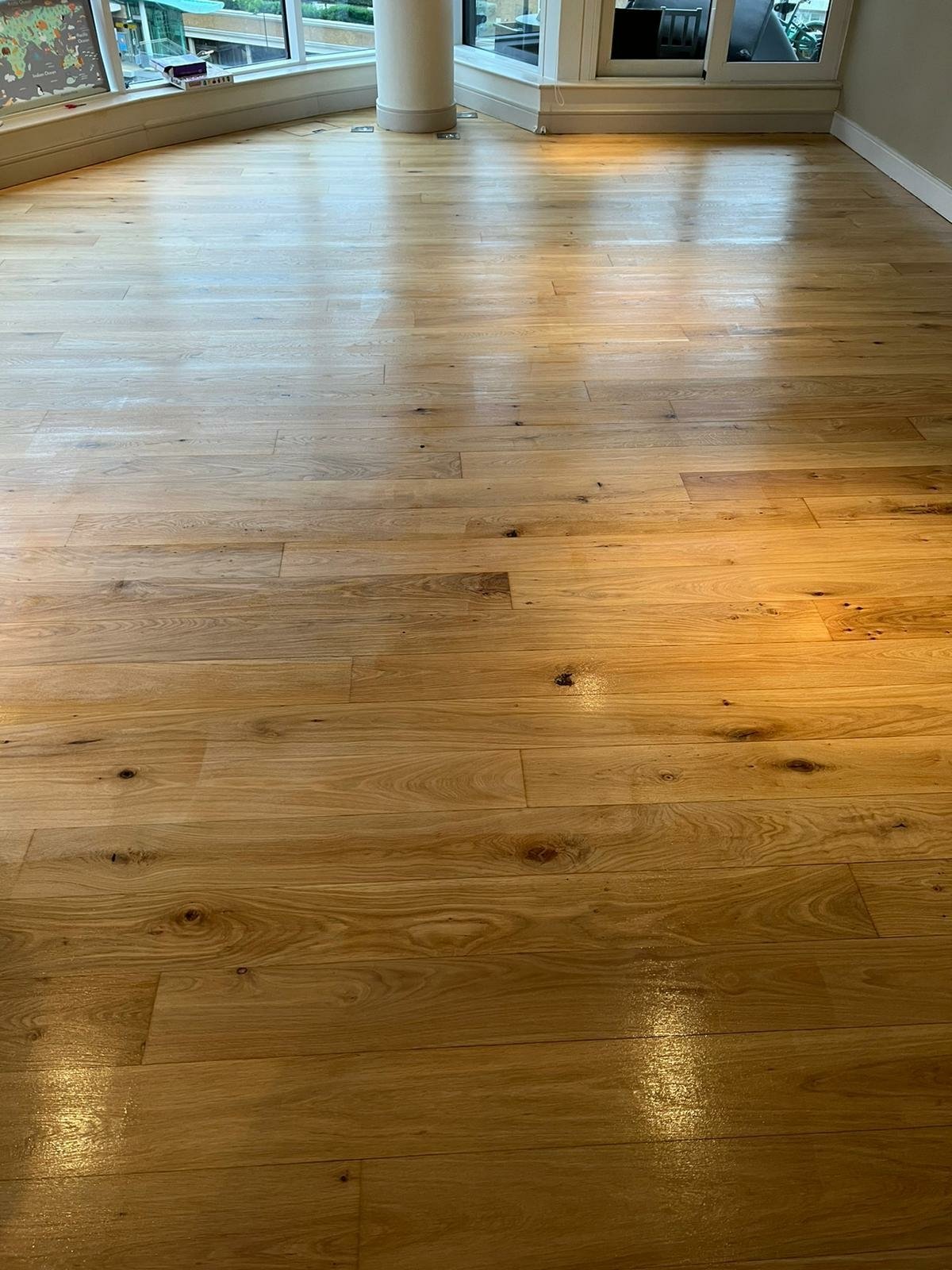










Our Flooring Services
Discover the specialist services available for your period property
Parquet Flooring
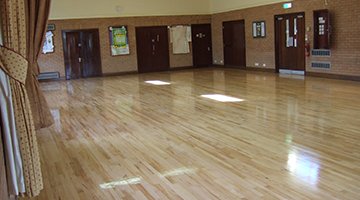
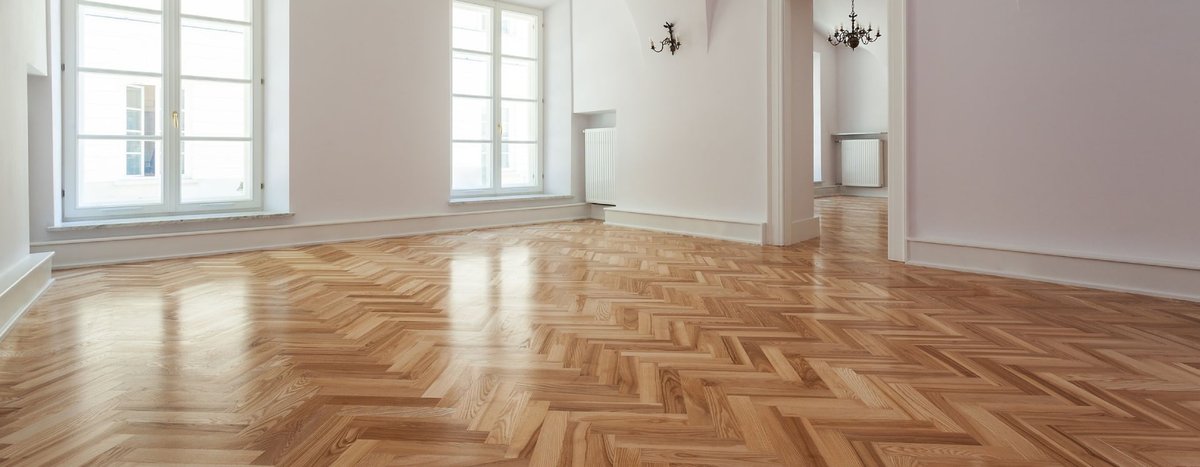
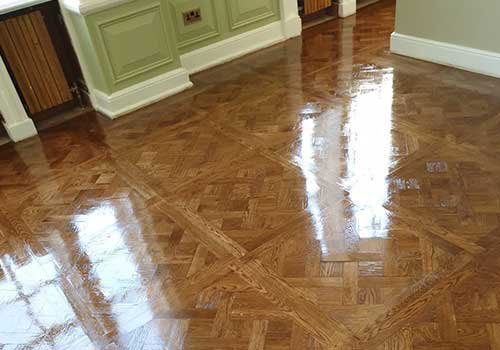
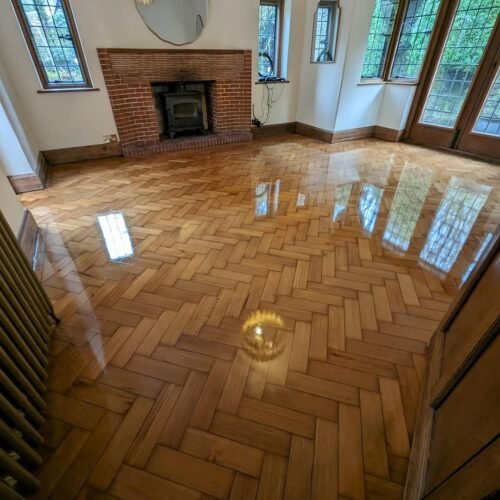
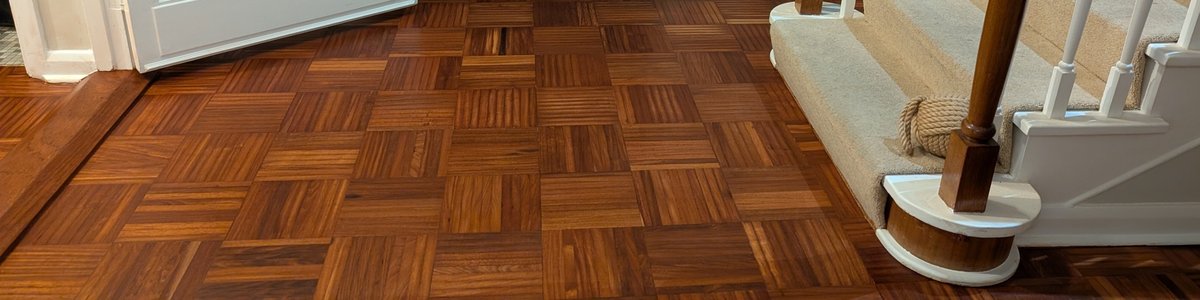
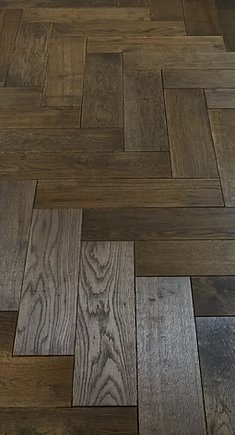
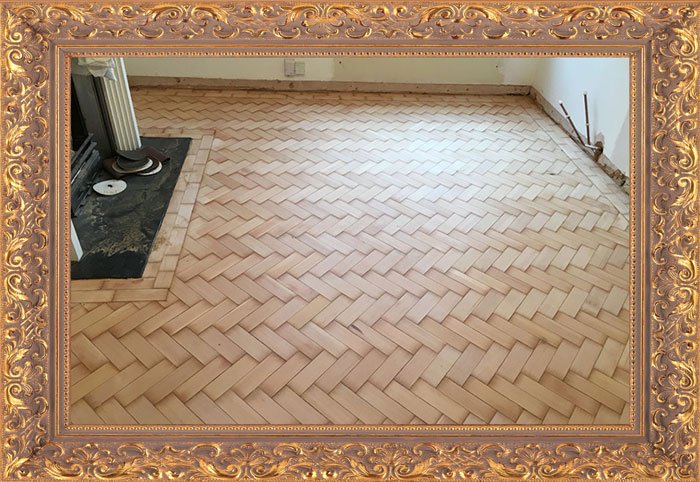
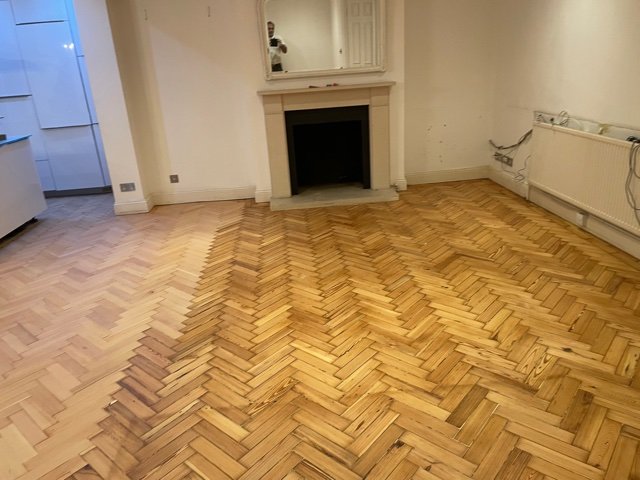
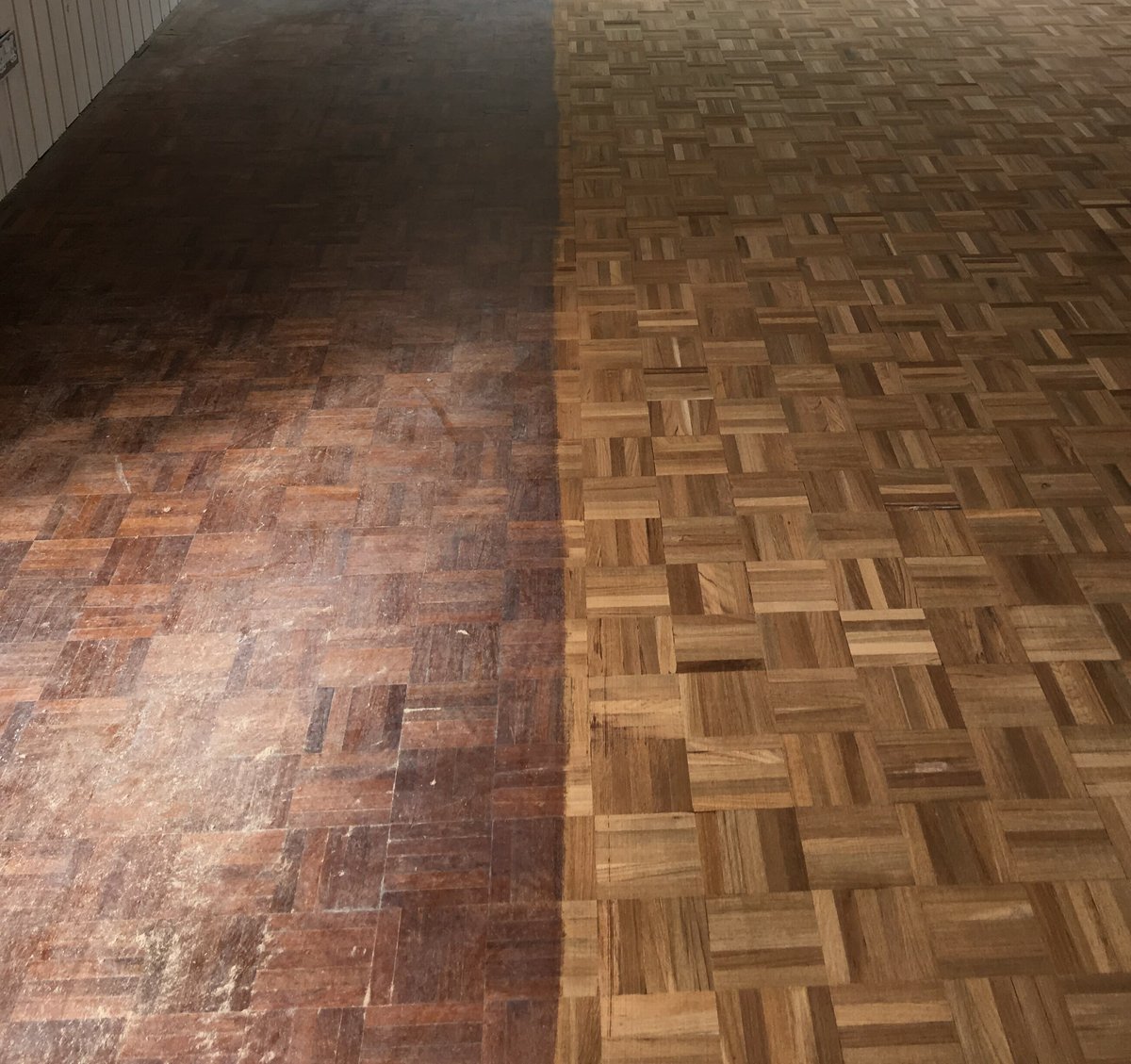
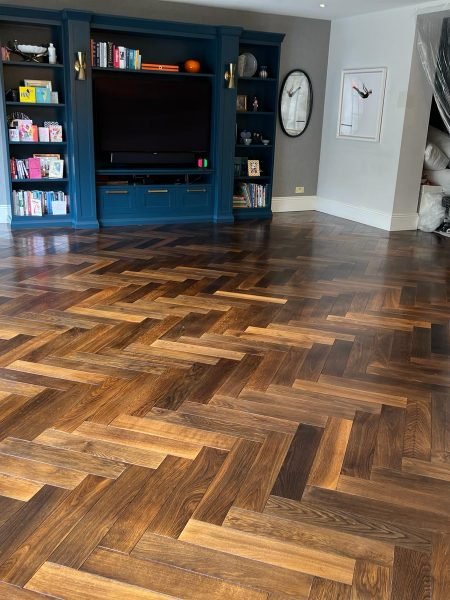
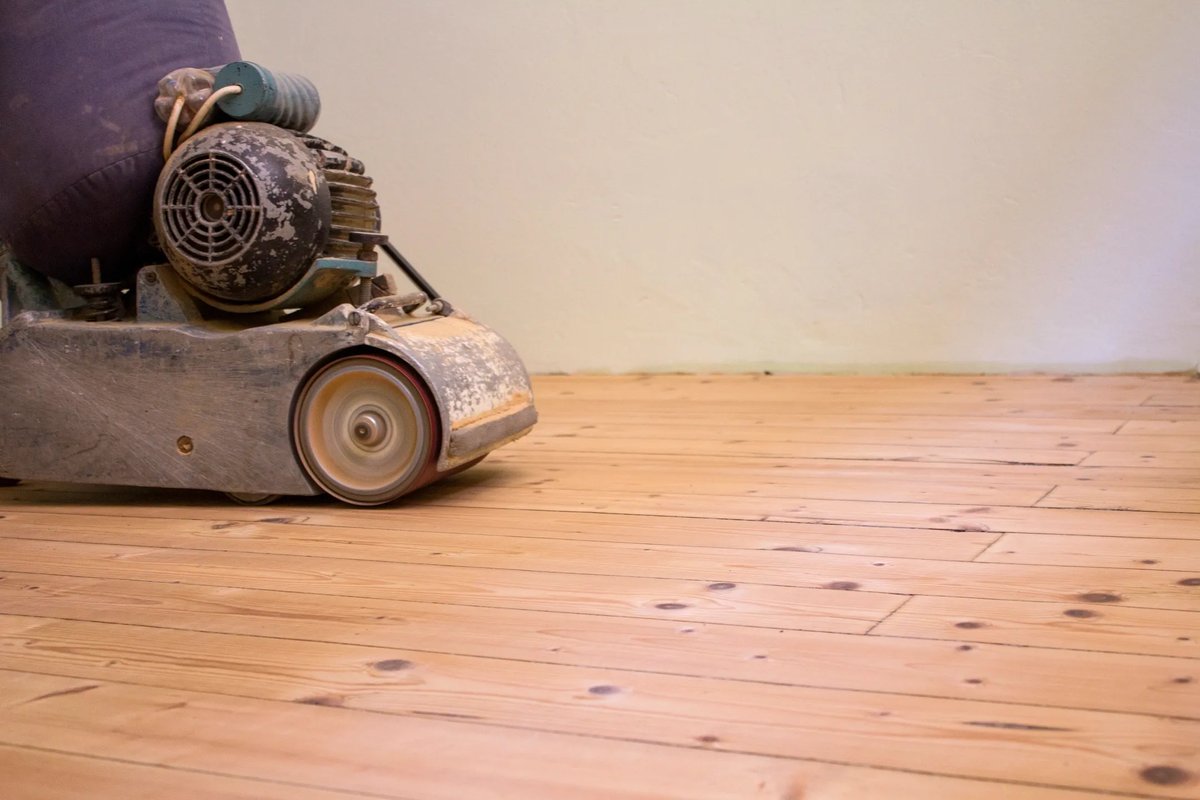
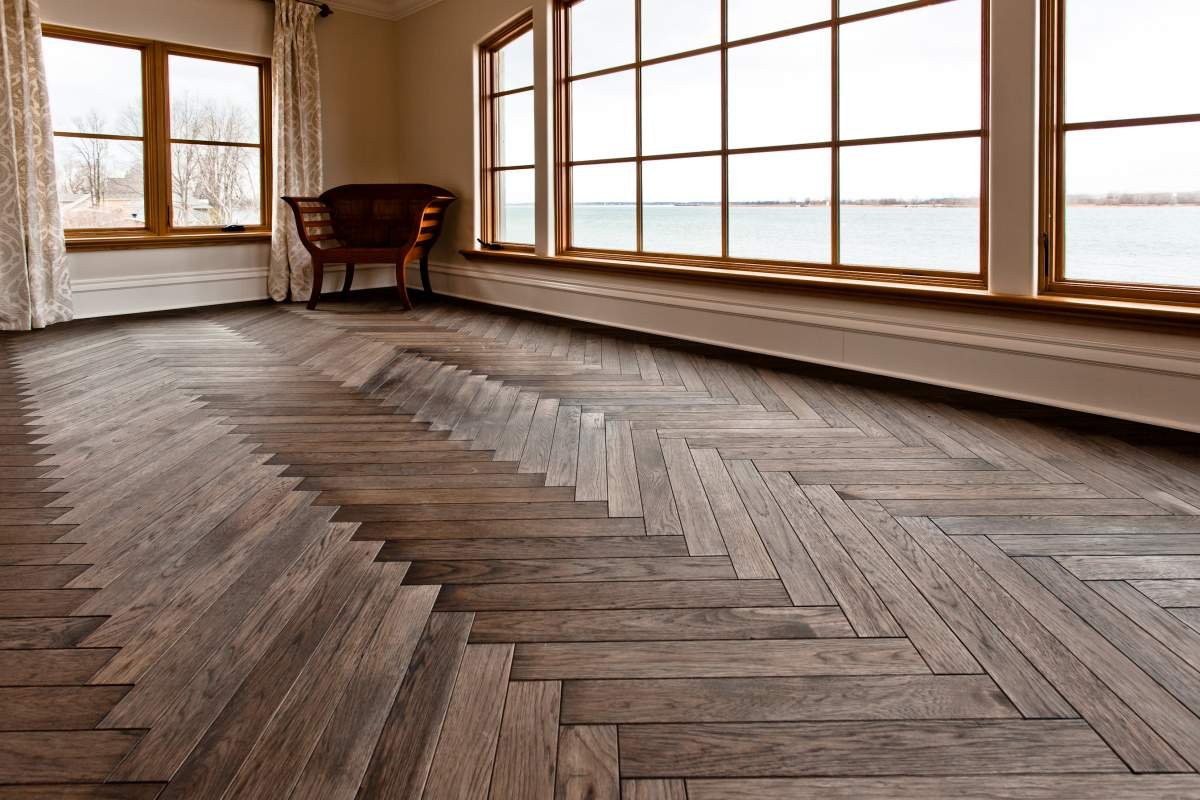
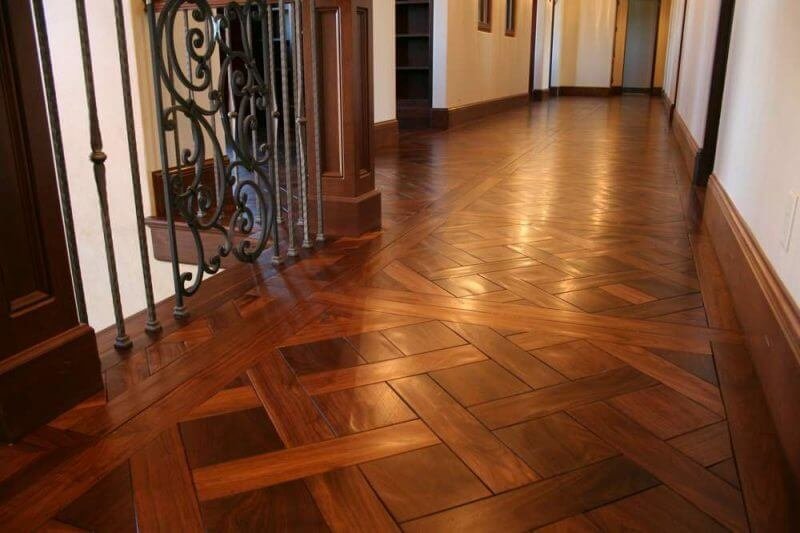
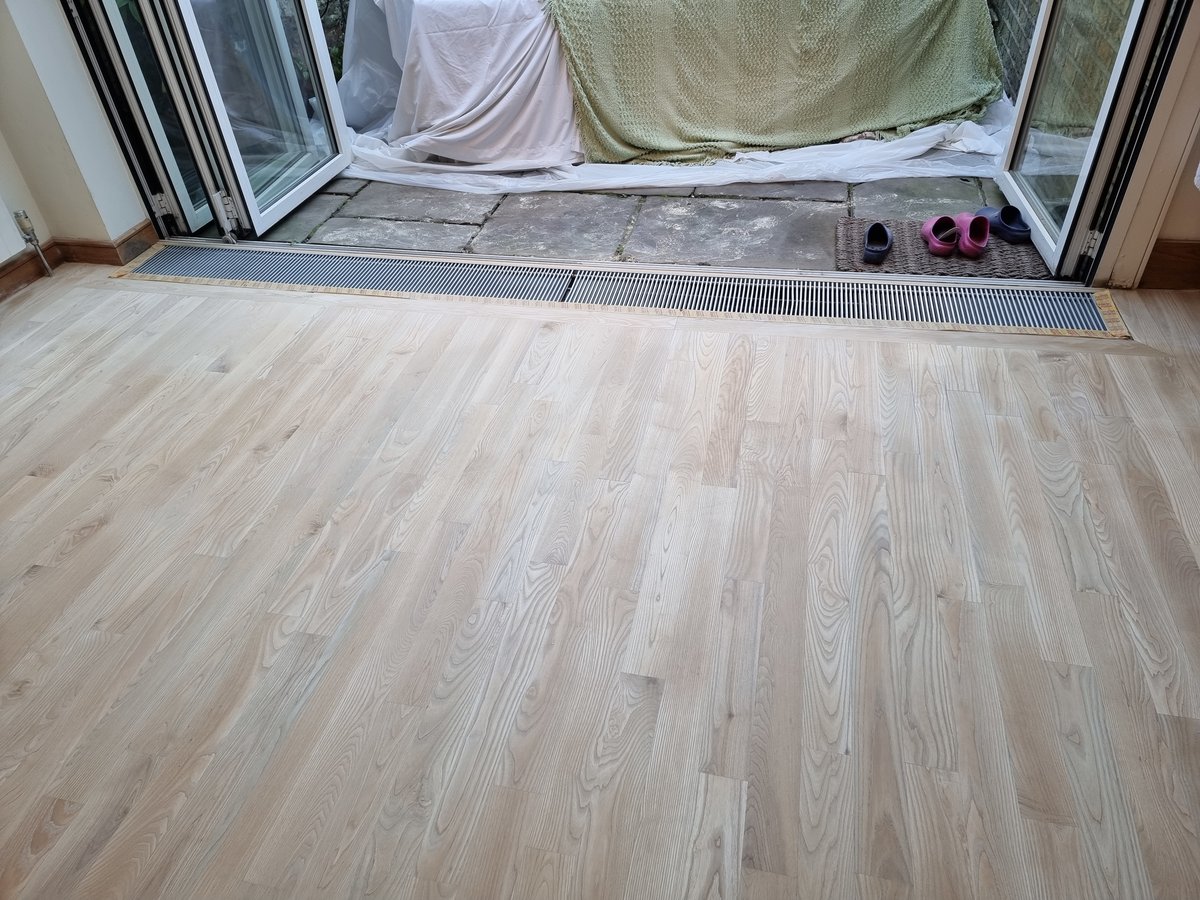
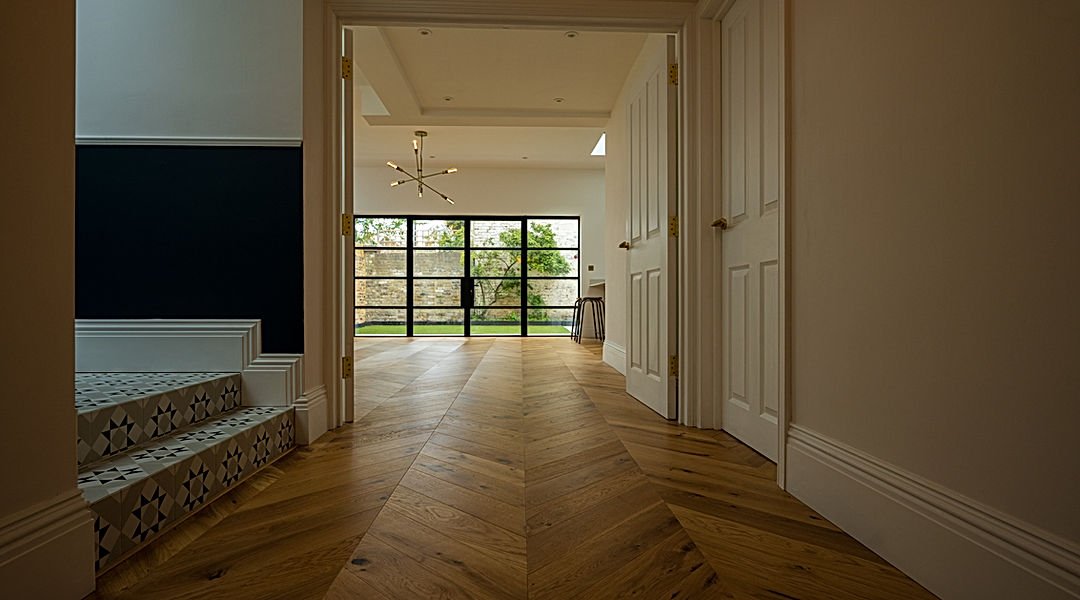
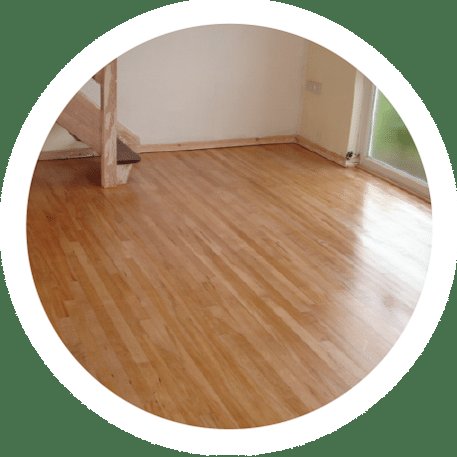
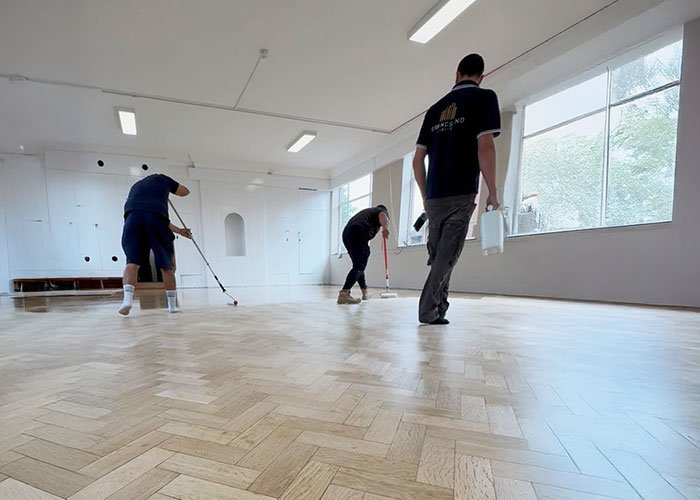
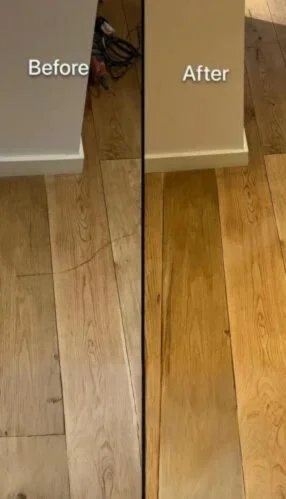
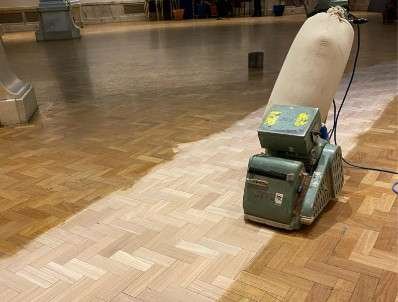
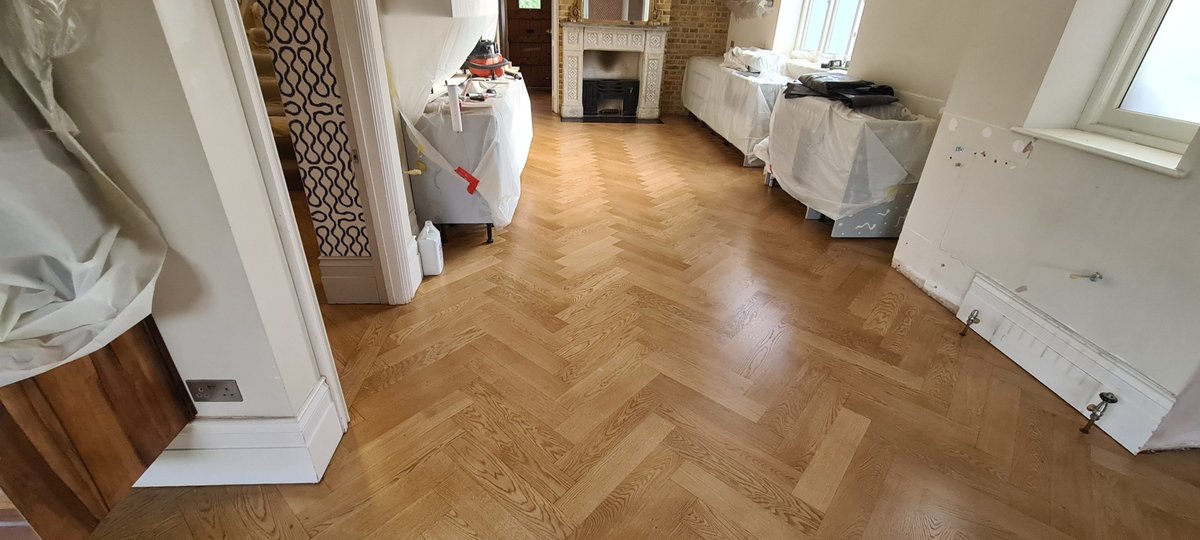
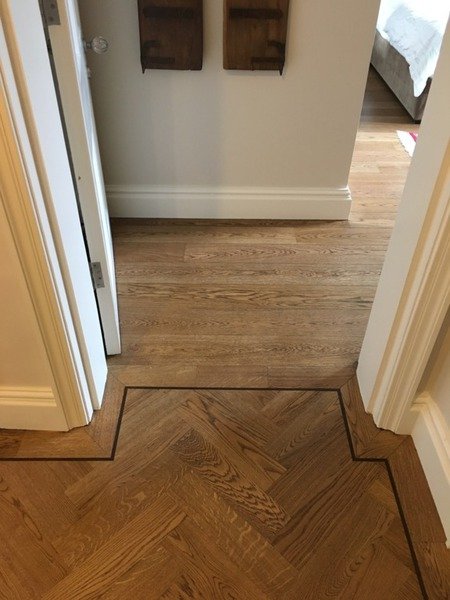
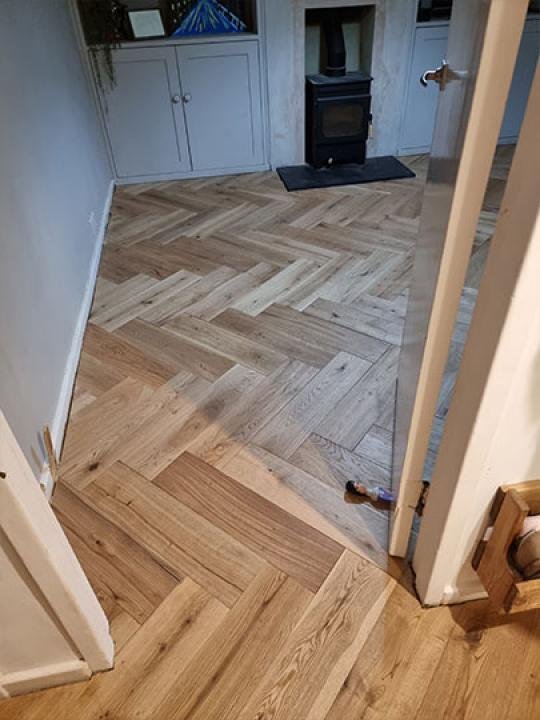
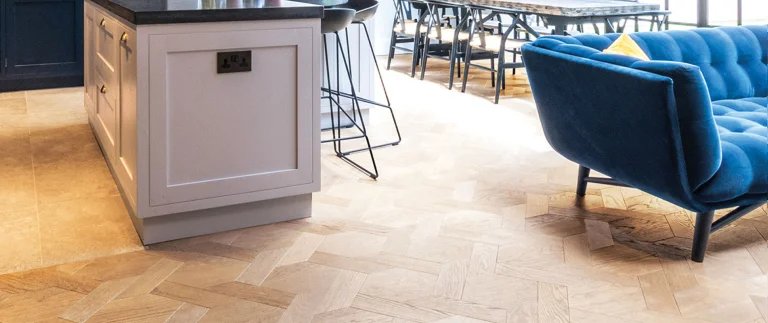
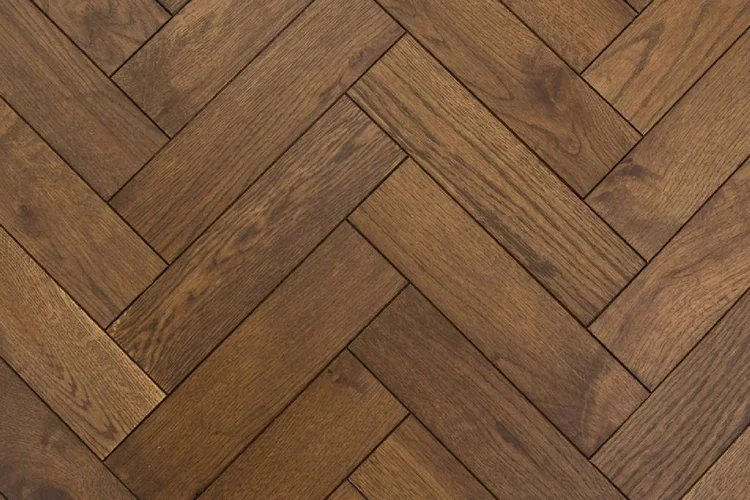
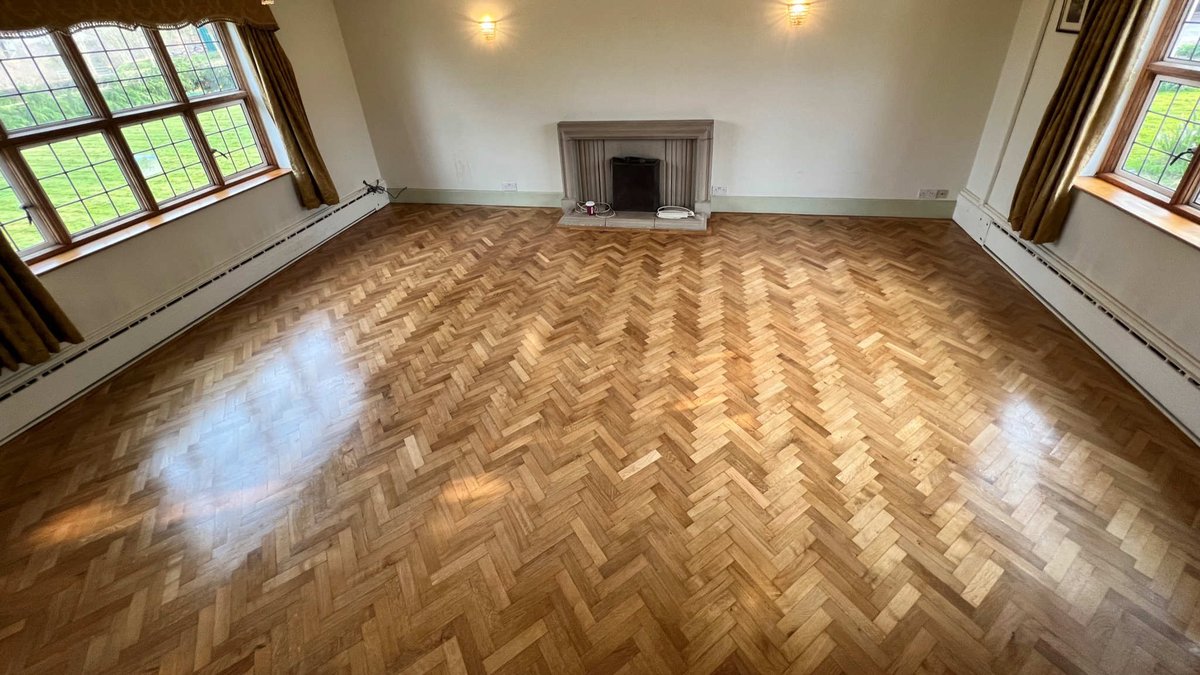
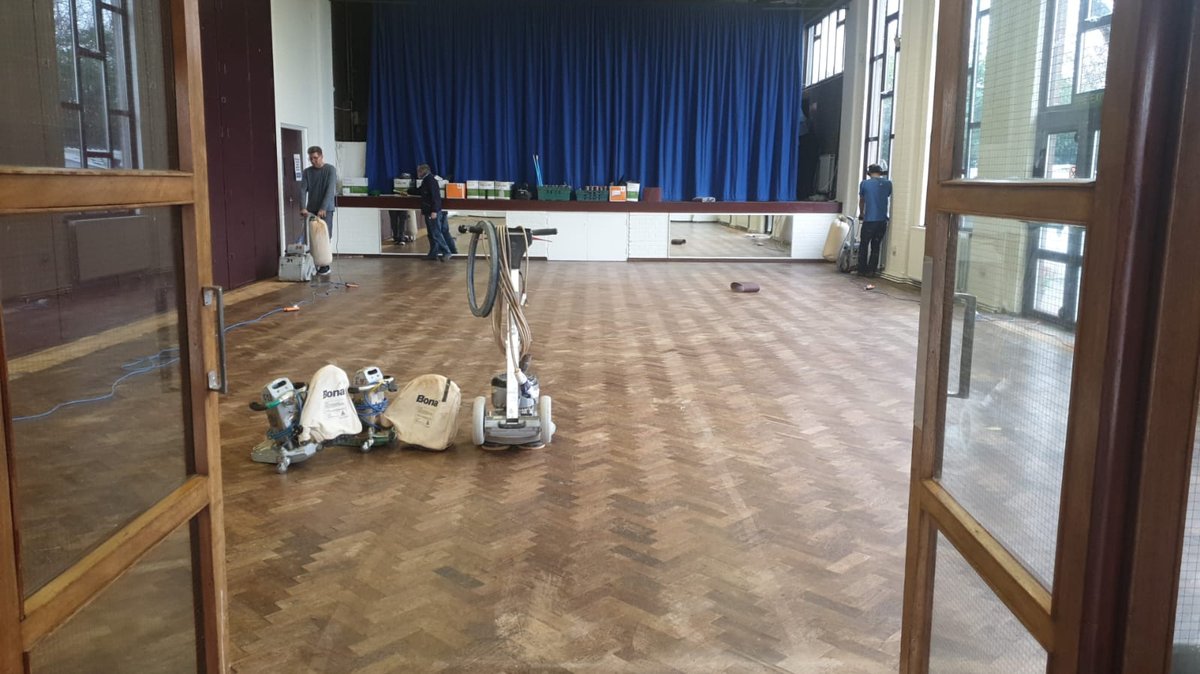
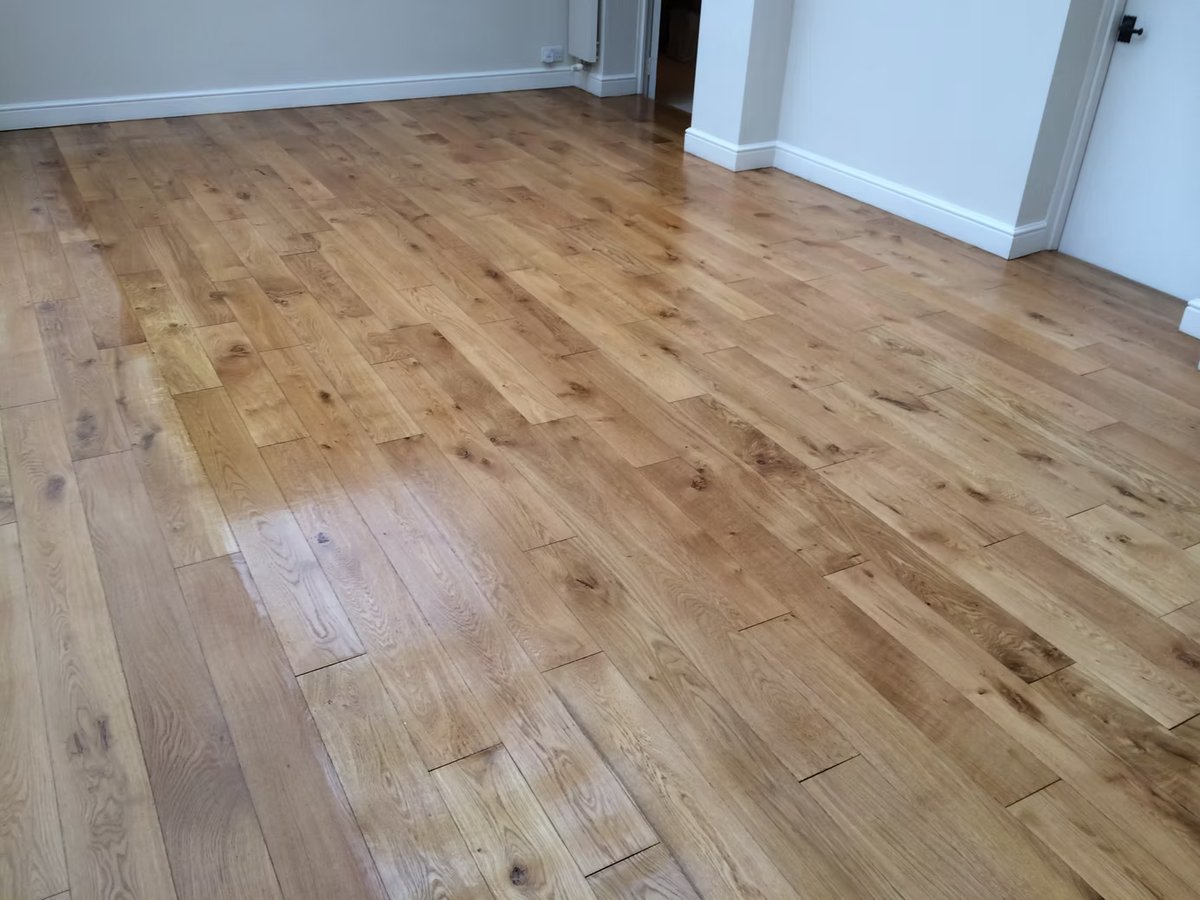
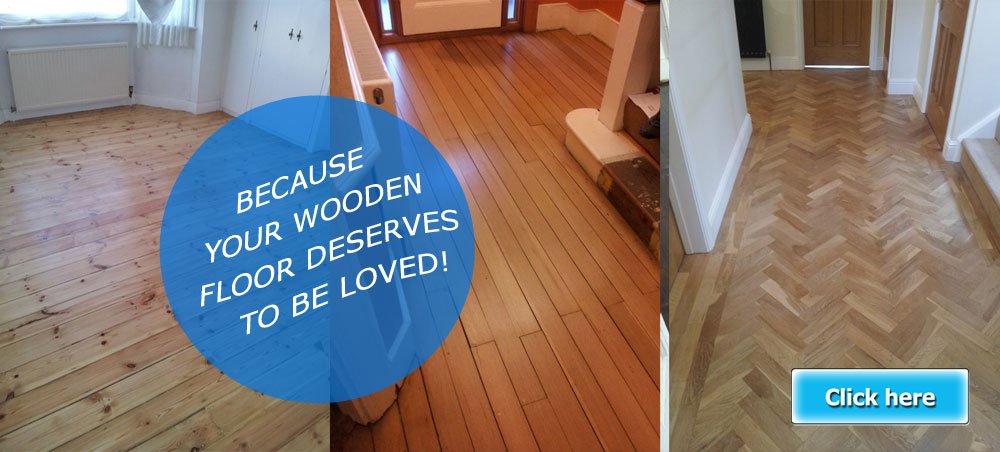
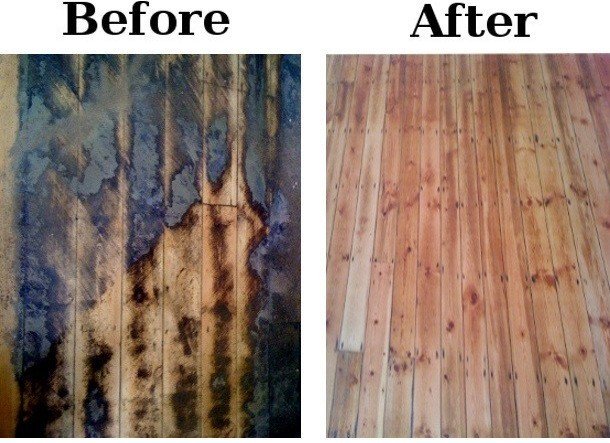
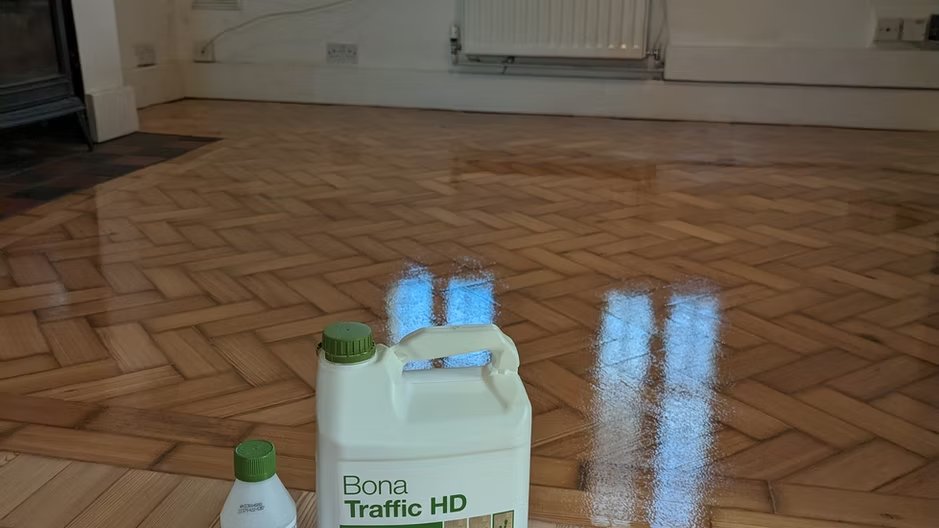
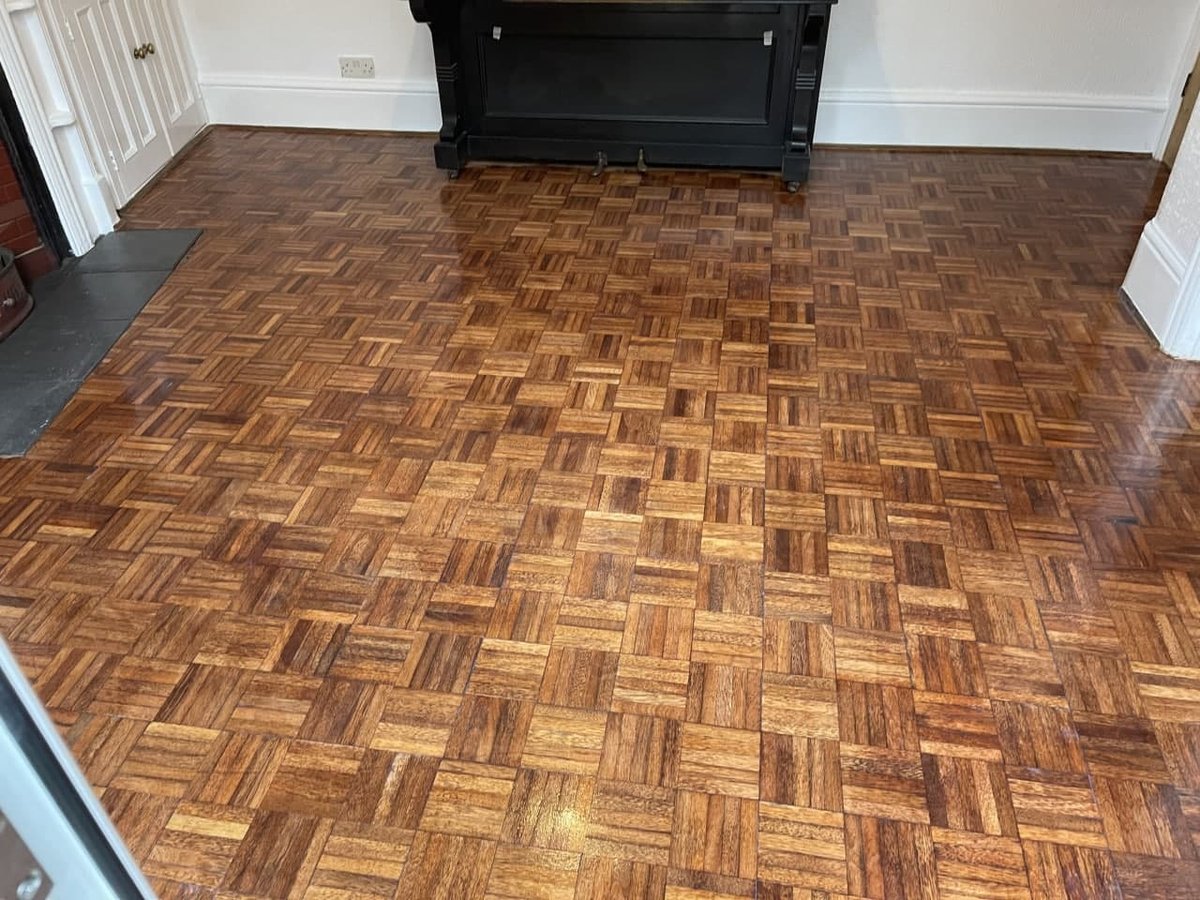
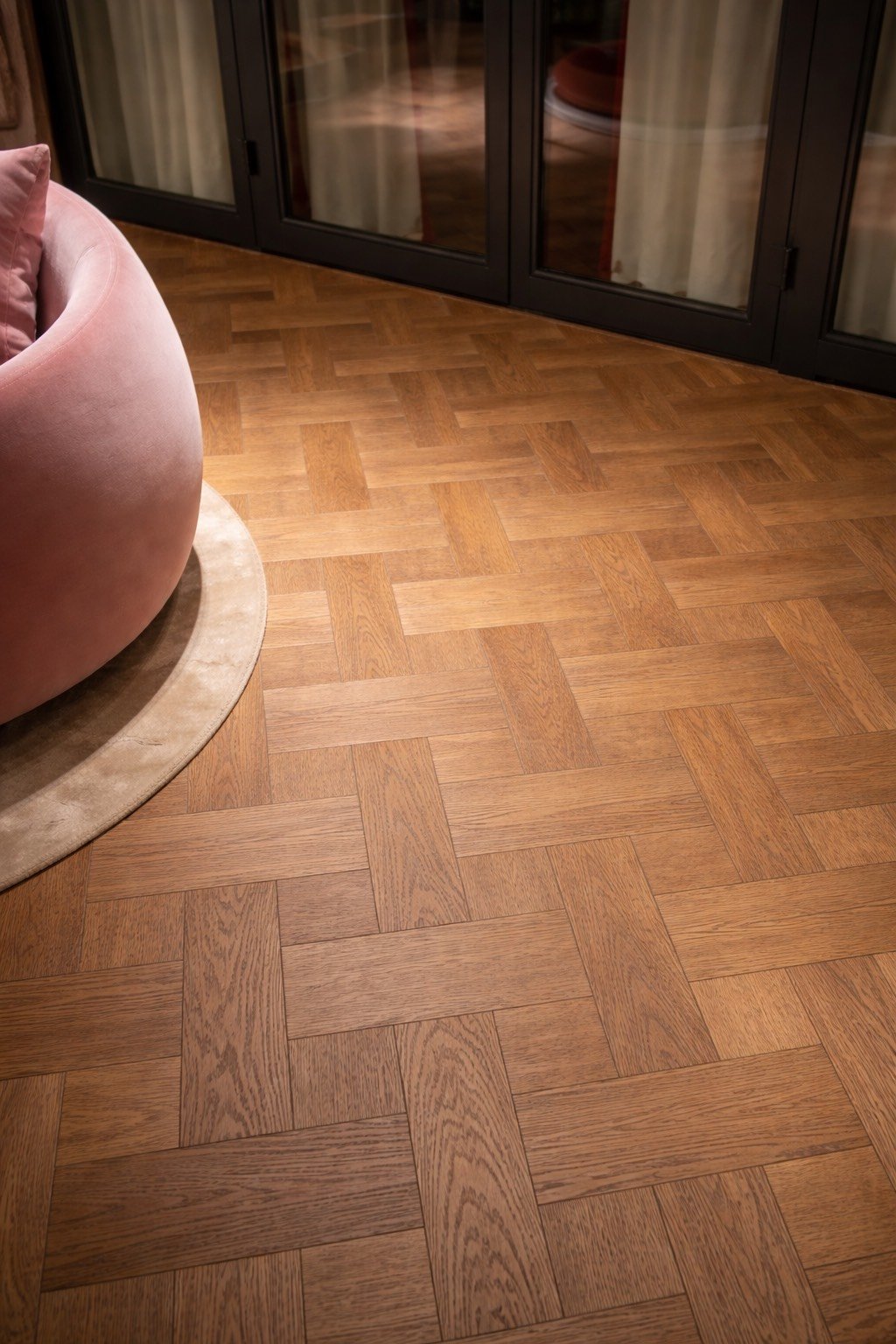
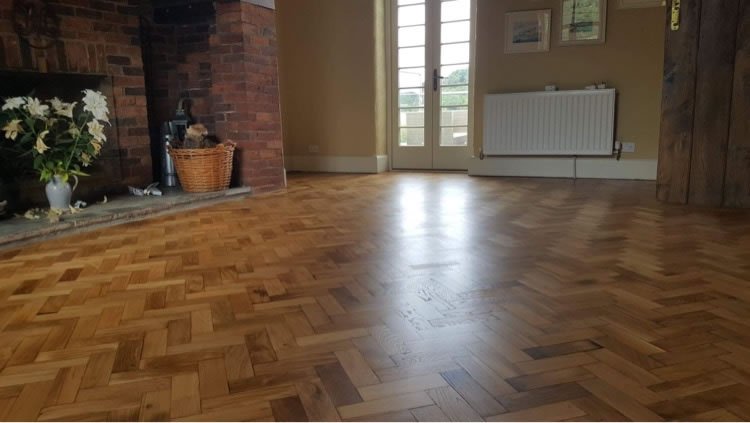
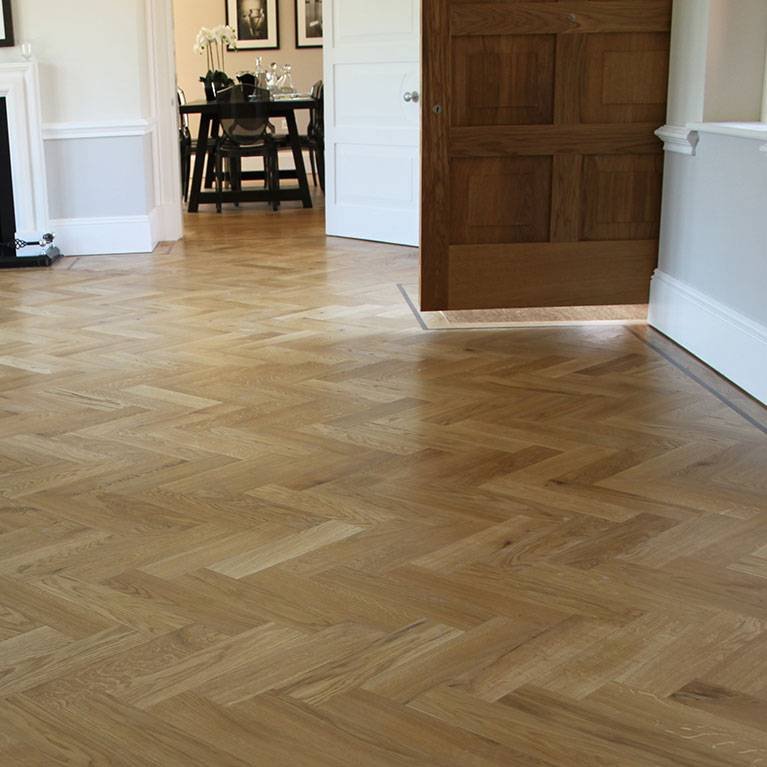
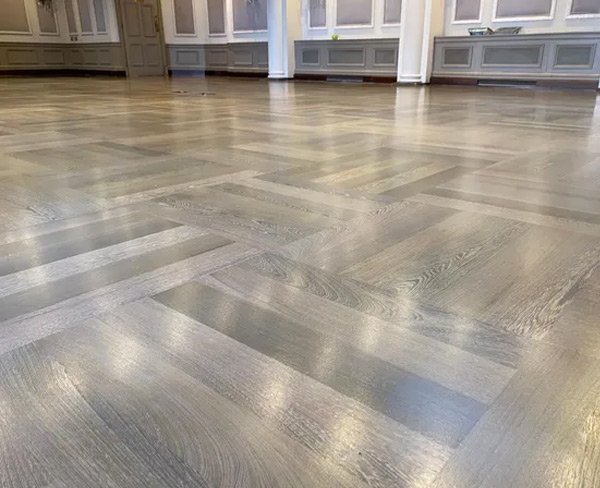
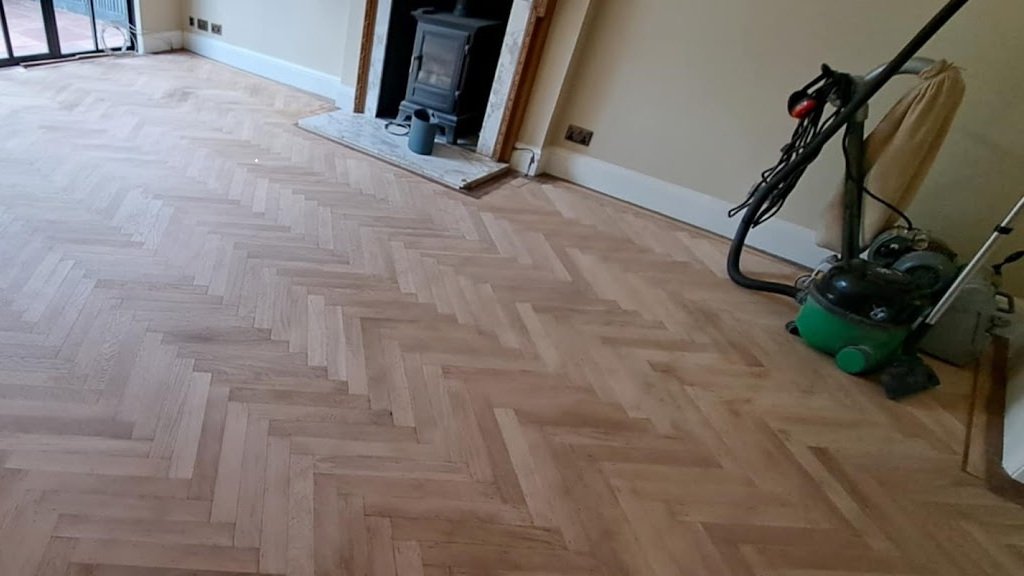
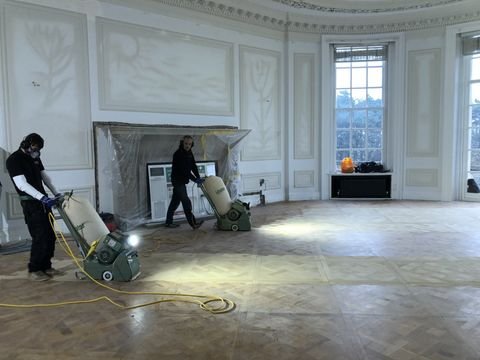
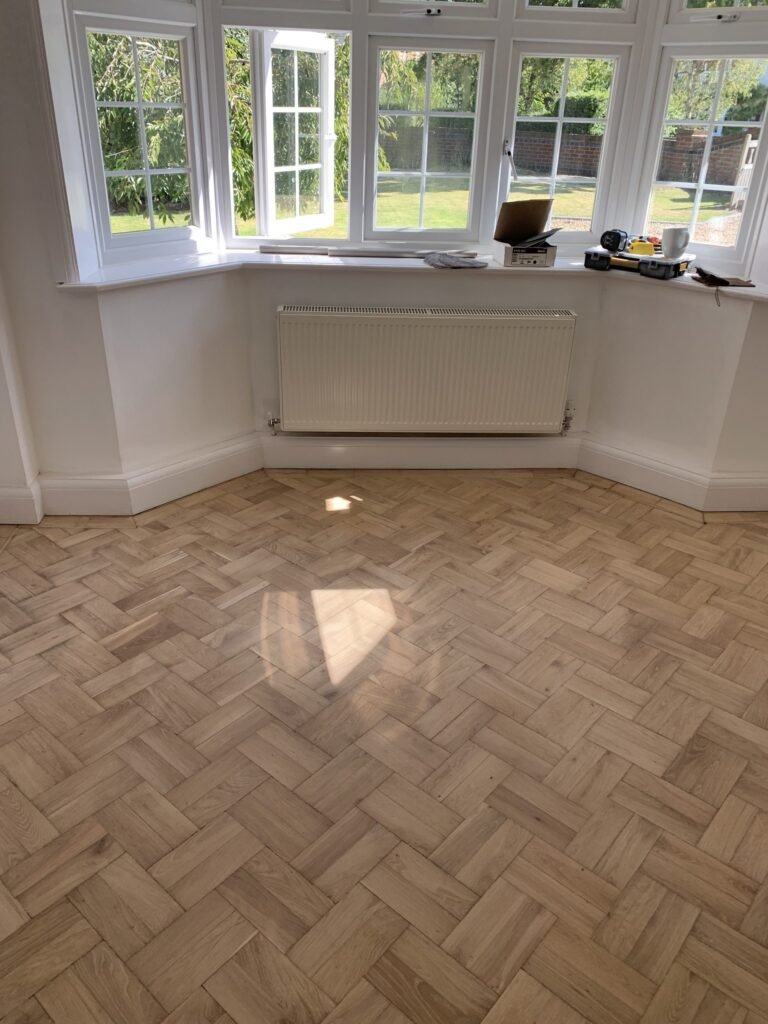
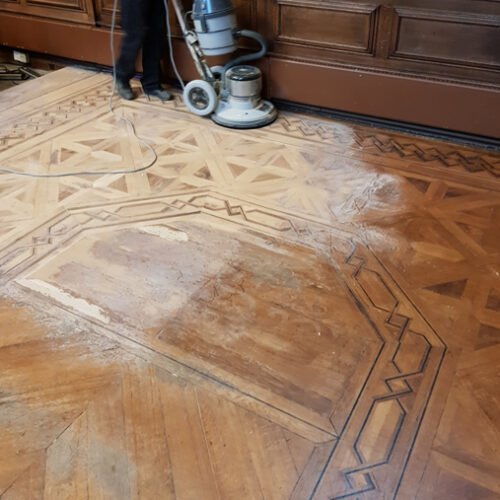
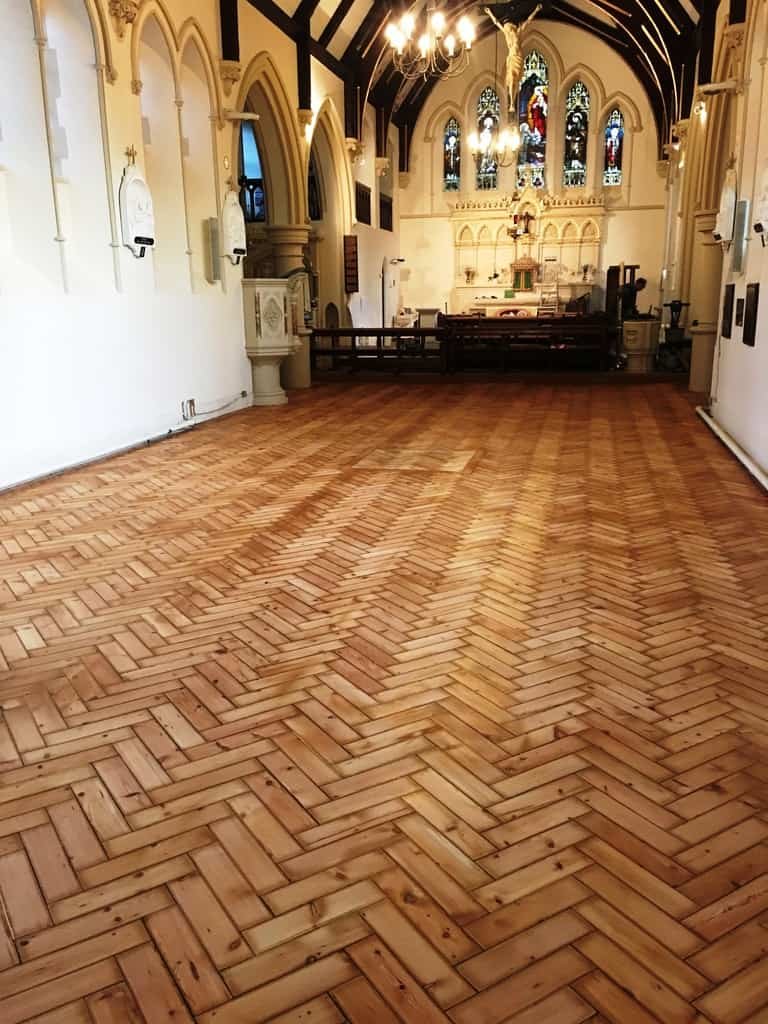
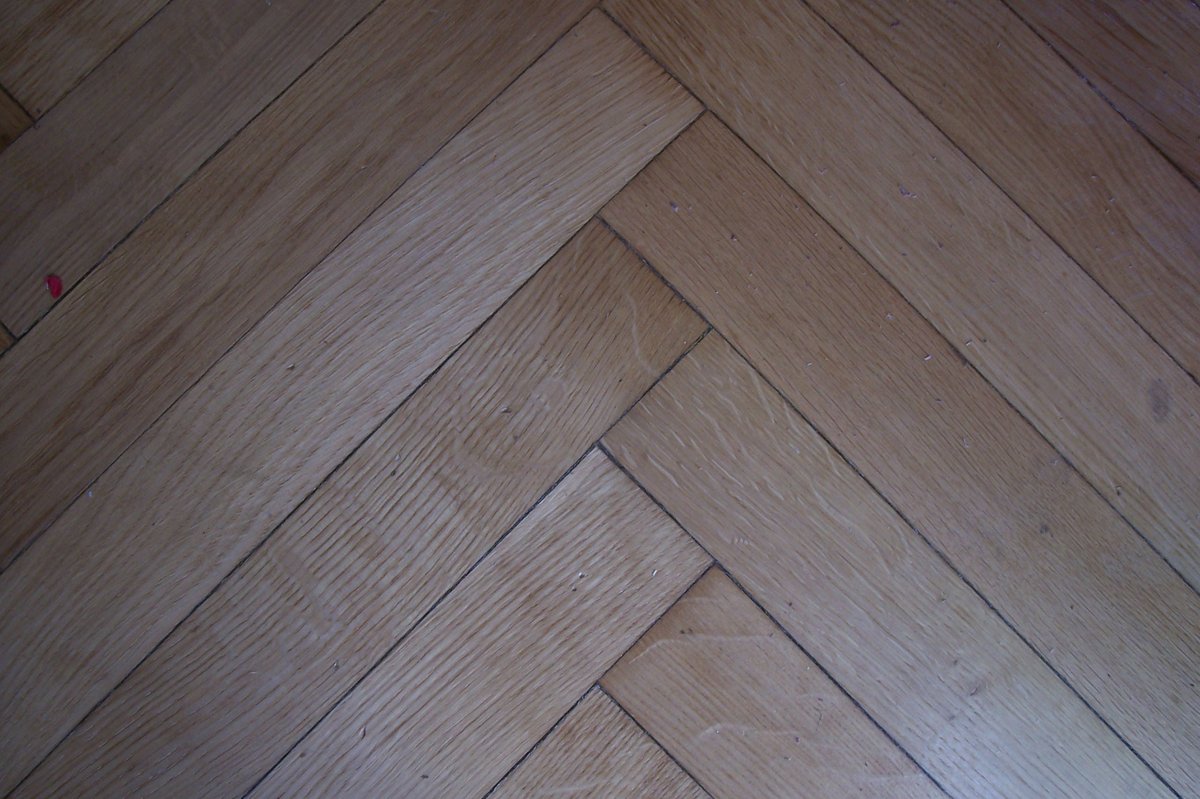
Parquet flooring - thin blocks or strips of hardwood laid in geometric patterns - became popular in Britain during the Victorian era and remained fashionable through the Edwardian period. Common patterns include herringbone, basket weave, and more elaborate designs. Original parquet was typically oak, walnut, or tropical hardwoods, fixed to a timber subfloor with bitumen adhesive. Restoration may involve re-fixing loose blocks, replacing damaged sections with matching timber, addressing subfloor issues, and finishing with appropriate oils or waxes rather than modern polyurethane. Complete relaying may be needed where subfloors have failed or damp has caused widespread damage.
Encaustic Tiles
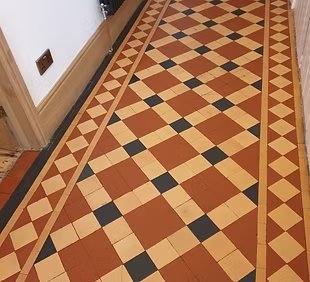
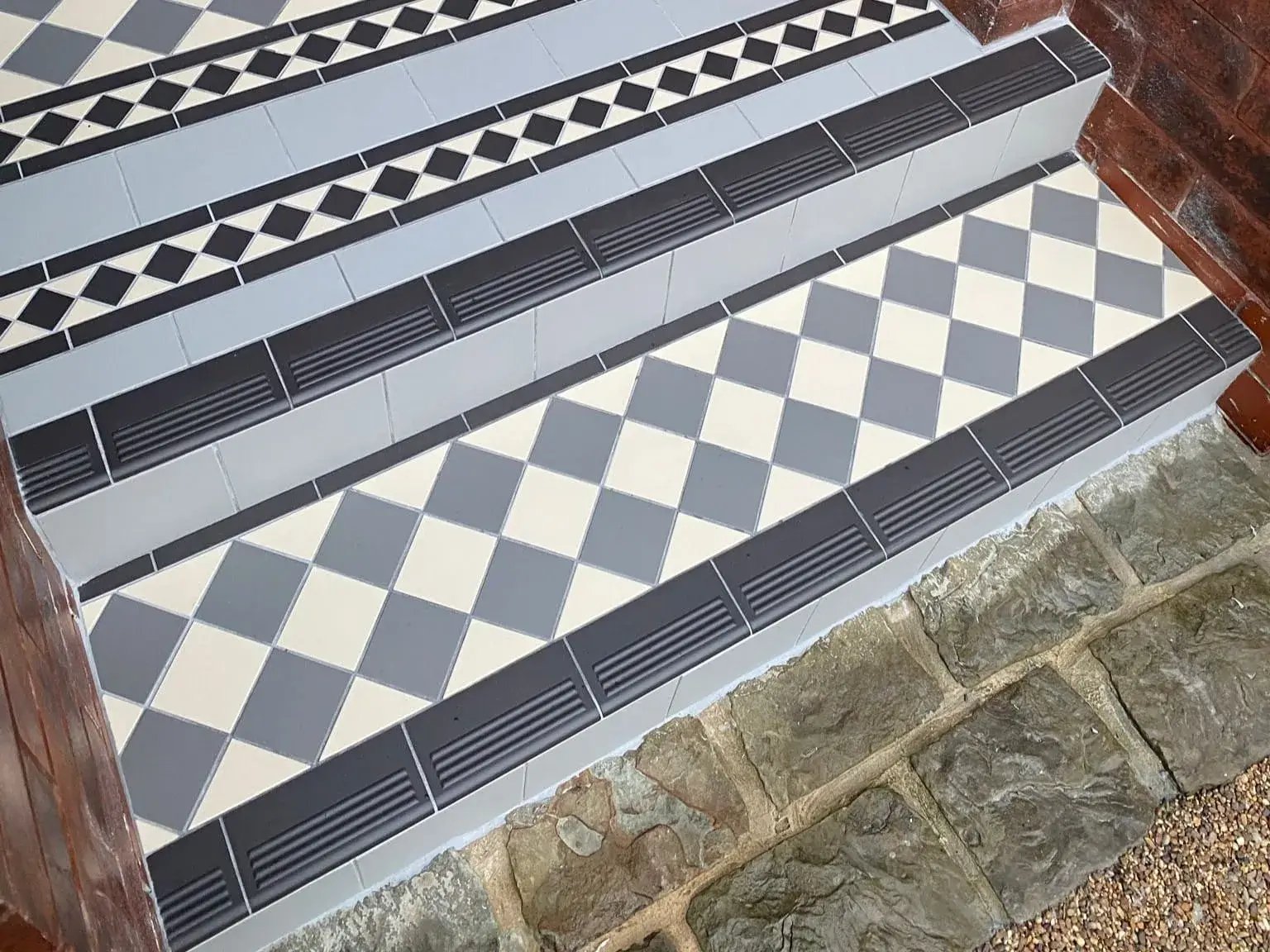
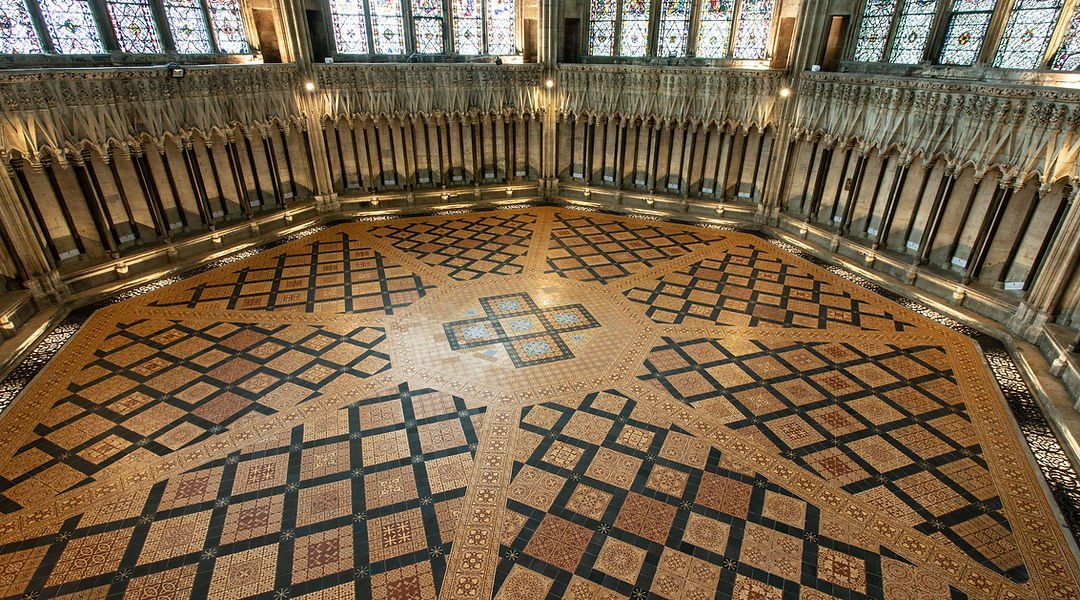
Encaustic tiles feature inlaid patterns in contrasting colours of clay, creating designs that wear evenly because the colour goes right through the tile. They were mass-produced from the 1840s onwards and became hugely popular for entrance halls, porches, and paths. Unlike printed or glazed tiles, encaustic tiles are extremely durable if properly maintained. Restoration involves careful cleaning to remove ingrained dirt, replacing damaged or missing tiles with originals or reproductions, and sealing with appropriate products. Several specialist manufacturers still produce encaustic tiles in traditional designs.
Quarry Tiles
Quarry tiles are unglazed clay tiles fired at high temperature, producing an extremely hard, durable material. They were widely used in Victorian and Edwardian service areas - kitchens, sculleries, larders, and passages - as well as patios and conservatories. Their simple, honest appearance has made them fashionable again in modern renovations. Quarry tiles are generally robust but can suffer from rising damp, inappropriate coatings, or damage from settlement. Restoration involves cleaning, replacing broken tiles with matching reclaimed or new units, and treating with appropriate sealers or leaving unsealed depending on the application.
Flagstone Floors
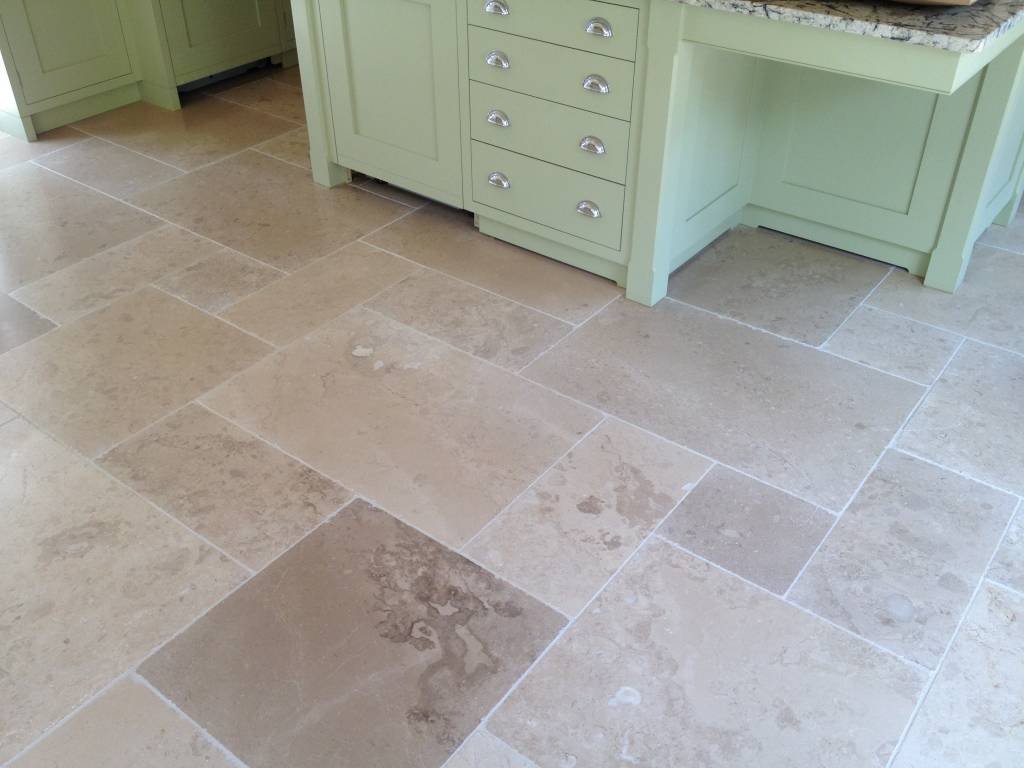
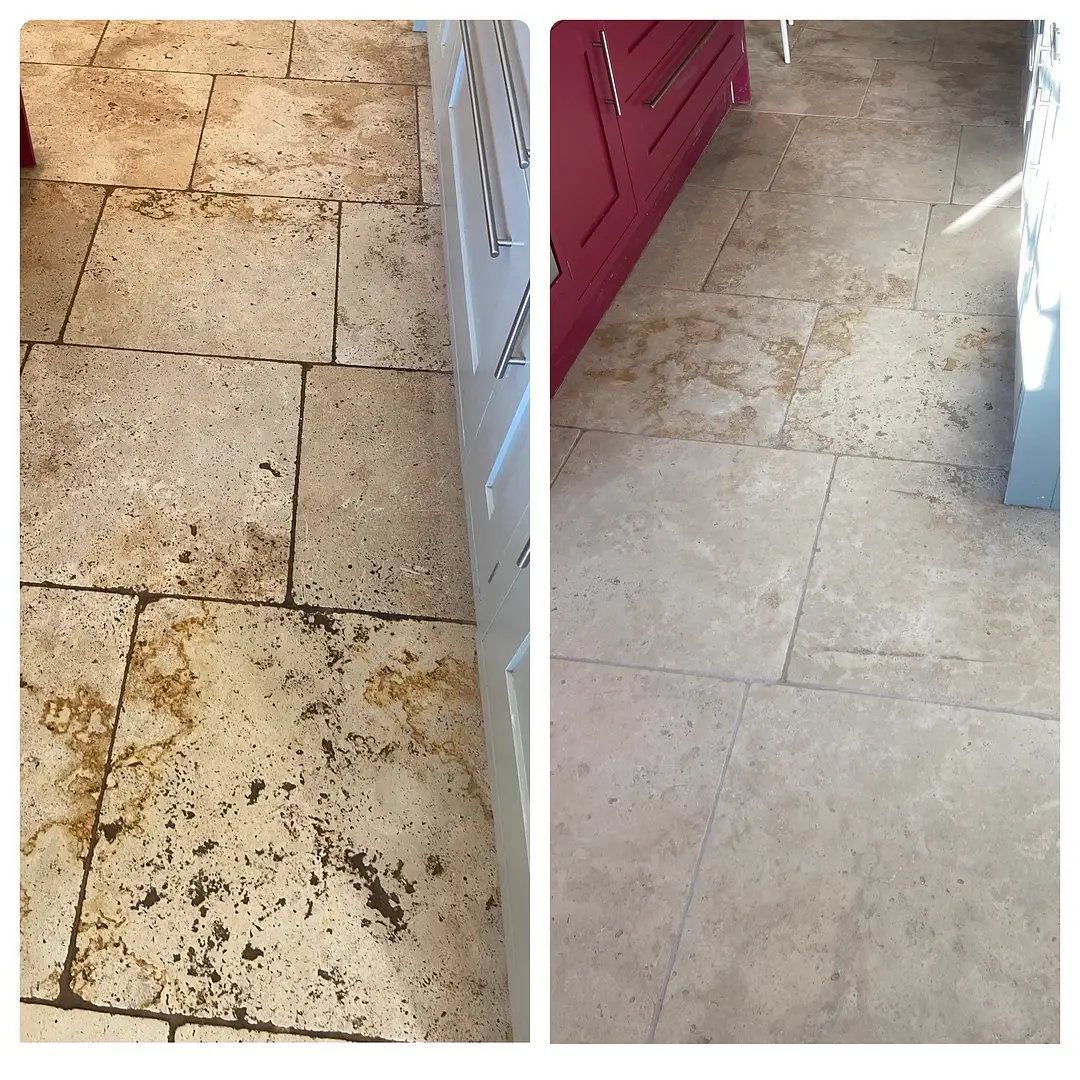
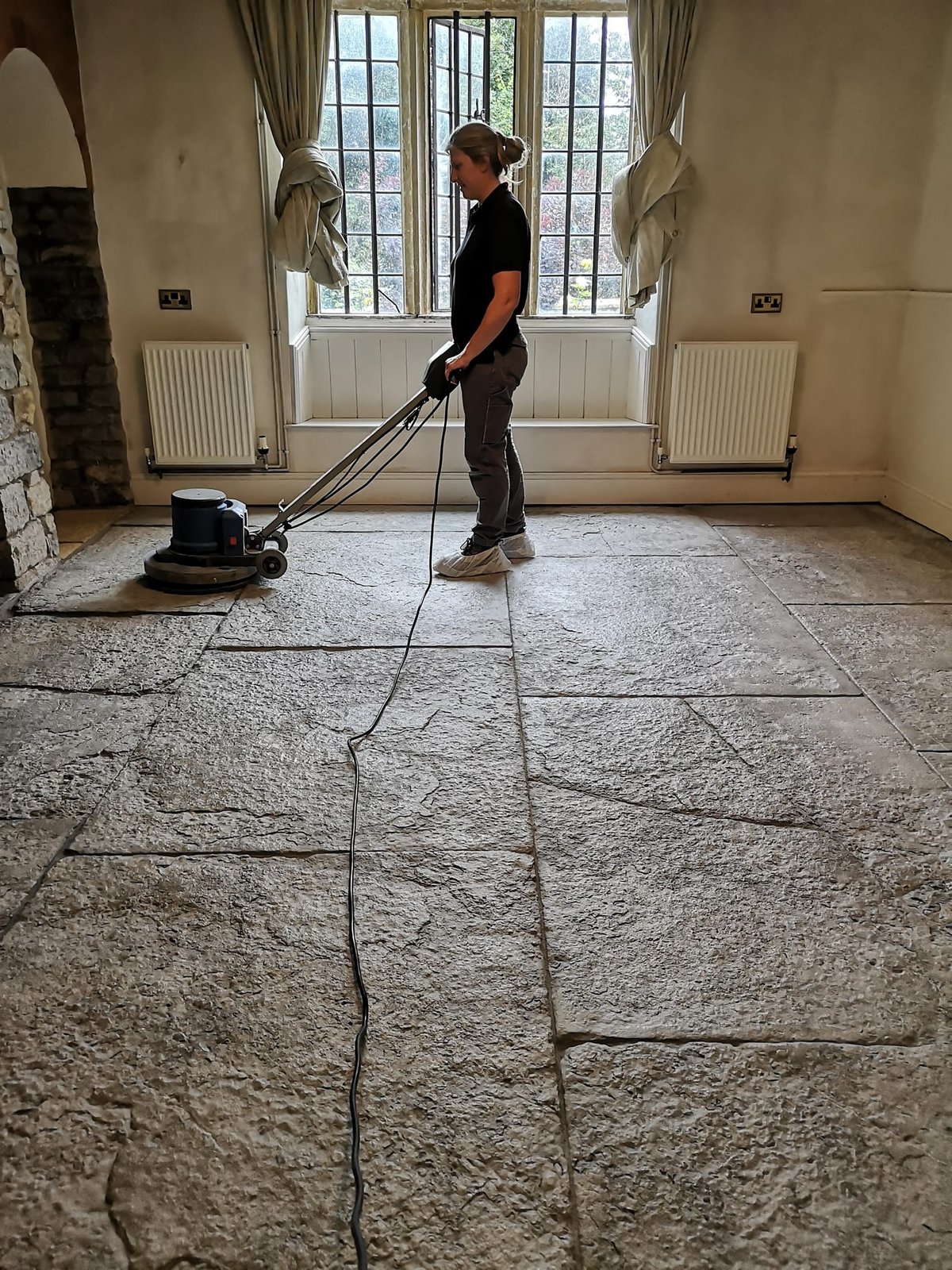
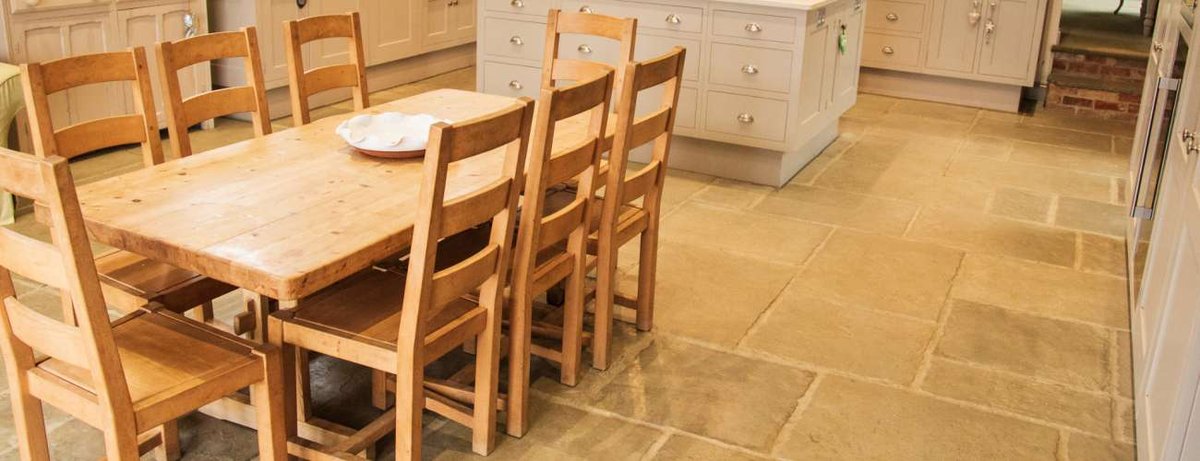
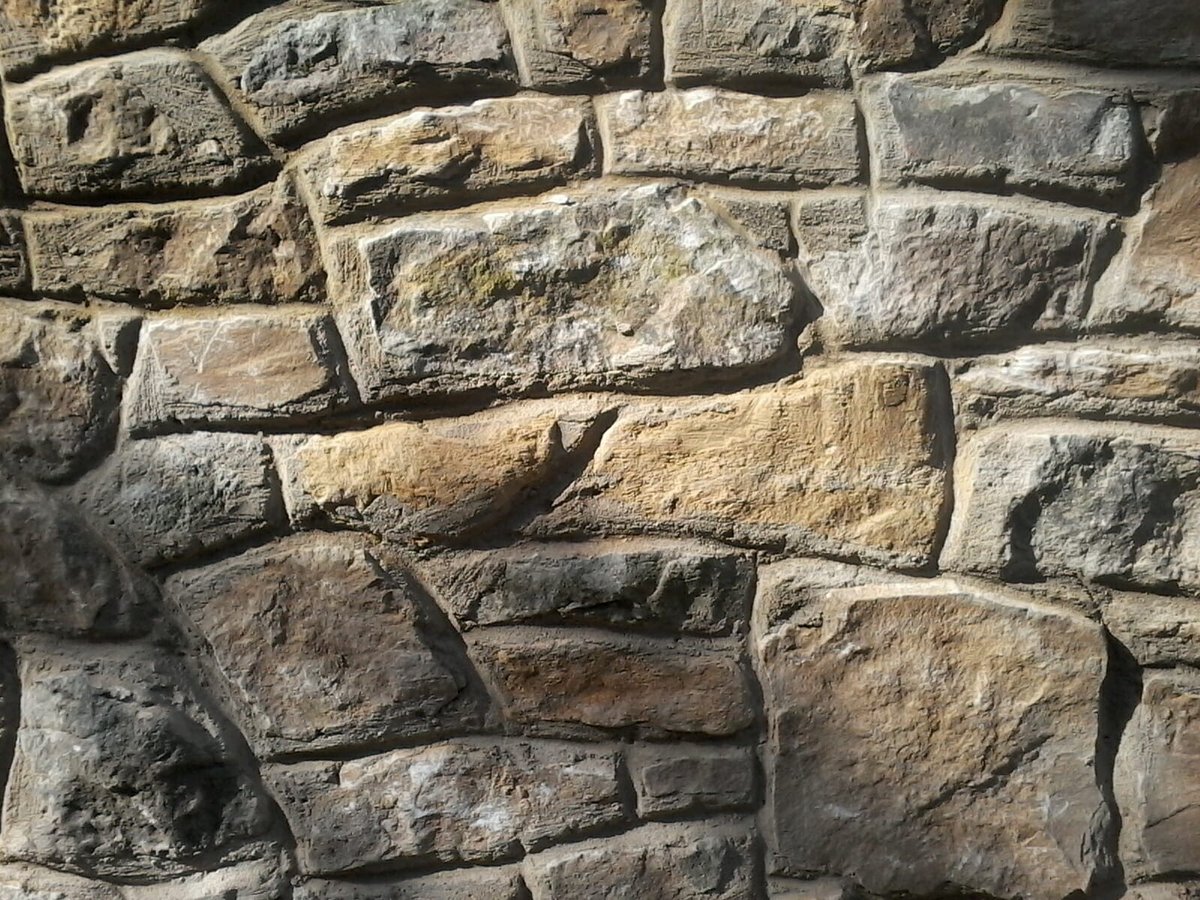
Flagstone floors - large slabs of natural stone - are found throughout Britain, with regional variations in stone type giving each area its distinctive character. Yorkshire sandstone, Welsh slate, Purbeck limestone, and many others were used wherever local quarries made stone flooring economical. Flagstones were traditionally laid on lime mortar or earth, allowing moisture to pass through the floor system. Restoration may involve relevelling settled stones, pointing joints with lime mortar, treating stains, and addressing any damp issues. Sealing flagstones is usually unnecessary and often inadvisable, as it can trap moisture and cause problems.
Why Use a Historic Flooring Specialist?
Period floors were installed using materials and methods unfamiliar to modern flooring contractors. Using inappropriate products or techniques can cause permanent damage to historic flooring.
- Understanding of historic installation methods and materials
- Ability to source matching original materials or appropriate reproductions
- Knowledge of appropriate cleaning and finishing products
- Skills in repairing and restoring rather than replacing
- Awareness of conservation requirements for listed buildings
Typical Costs for Period Flooring Work
Restoration of historic floors is specialist work. Costs vary widely depending on the floor type, condition, and extent of work required.
| Service | Typical Cost |
|---|---|
| Parquet floor restoration (per m²) | £35 - £70 |
| Parquet block replacement (per block) | £8 - £20 |
| Encaustic tile cleaning and sealing (per m²) | £25 - £50 |
| Flagstone relevelling and repointing (per m²) | £80 - £150 |
| Quarry tile replacement (per tile) | £15 - £40 |
Floor restoration costs depend heavily on existing condition. Detailed inspection and quotation is essential.
Frequently Asked Questions
Common questions about flooring services for period properties
Should parquet floors be sealed with polyurethane?
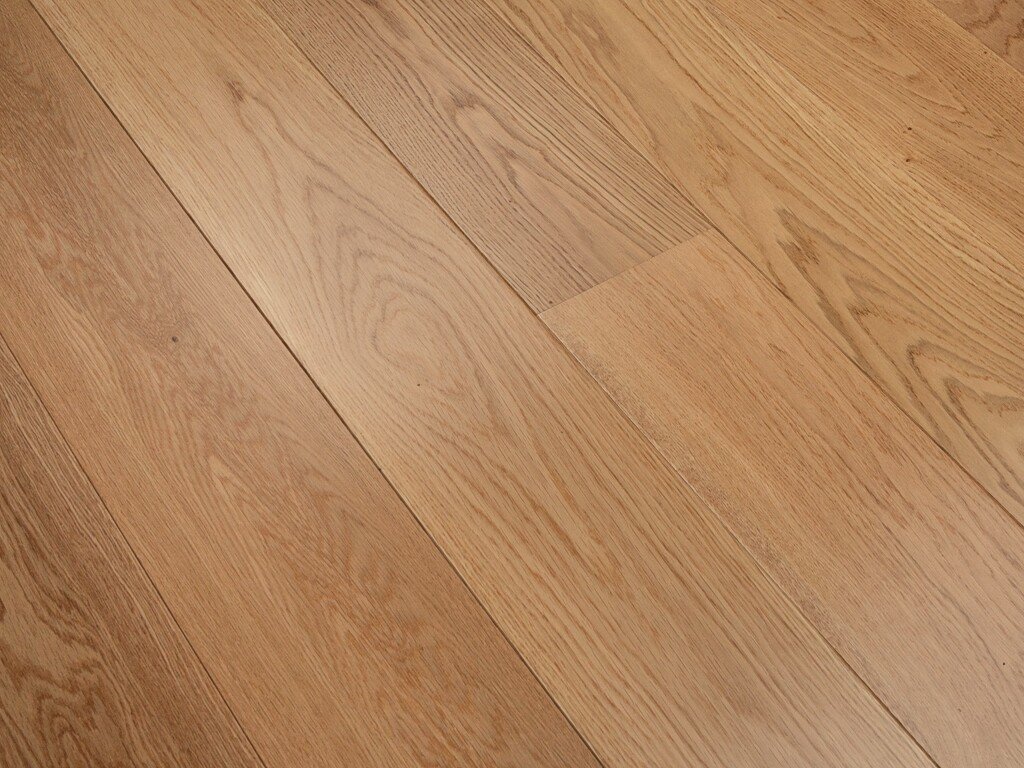
Traditional parquet was finished with wax or oil, not polyurethane. Modern poly finishes sit on the surface, look plastic, and eventually peel. They also make future maintenance difficult. Oil or hard wax oil penetrates the wood, allows it to breathe, and can be maintained by spot-repairing wear areas rather than completely refinishing. For authentic restoration, traditional wax or appropriate oils are preferable.
My flagstone floor is damp. What should I do?
Traditional flagstone floors are designed to allow moisture to evaporate through the joints and the stone itself. Problems occur when this system is disrupted - by pointing with cement, sealing the stones, or covering with non-breathable materials like vinyl. The solution is usually to restore breathability: remove cement pointing and replace with lime, remove any sealers, and ensure adequate ventilation. Installing a damp-proof membrane often makes things worse.
Where can I find matching encaustic tiles?
Several companies produce reproduction encaustic tiles in traditional patterns and colours. For exact matches to original tiles, specialist salvage dealers may be able to source reclaimed examples. Some restoration specialists maintain stocks of common patterns. Modern reproductions are often excellent quality and perfectly appropriate for extending or repairing original floors.
Can damaged parquet blocks be repaired?
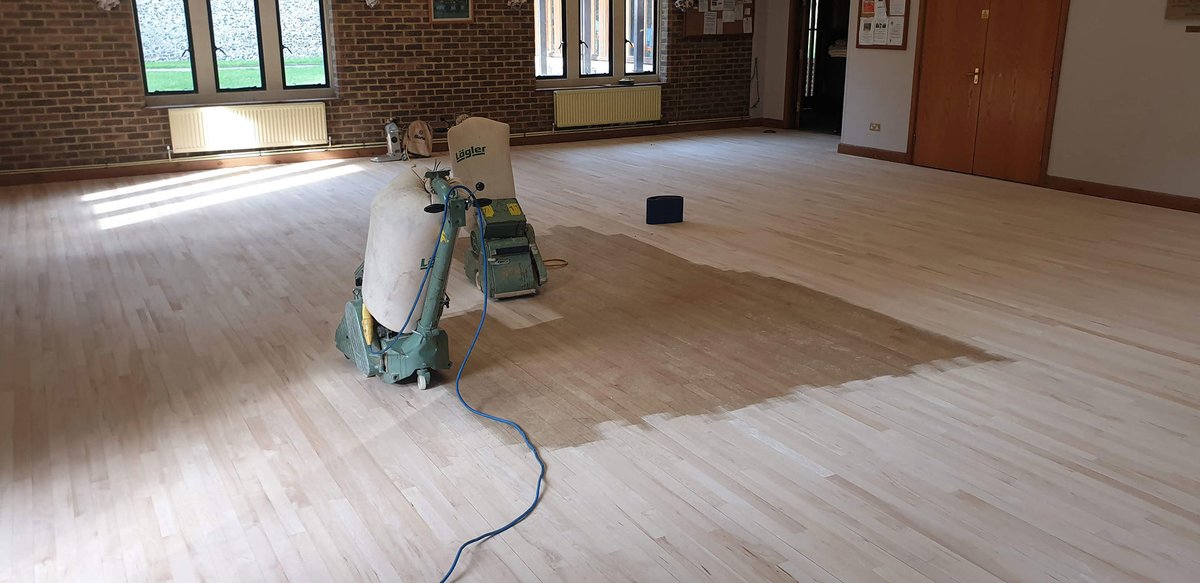
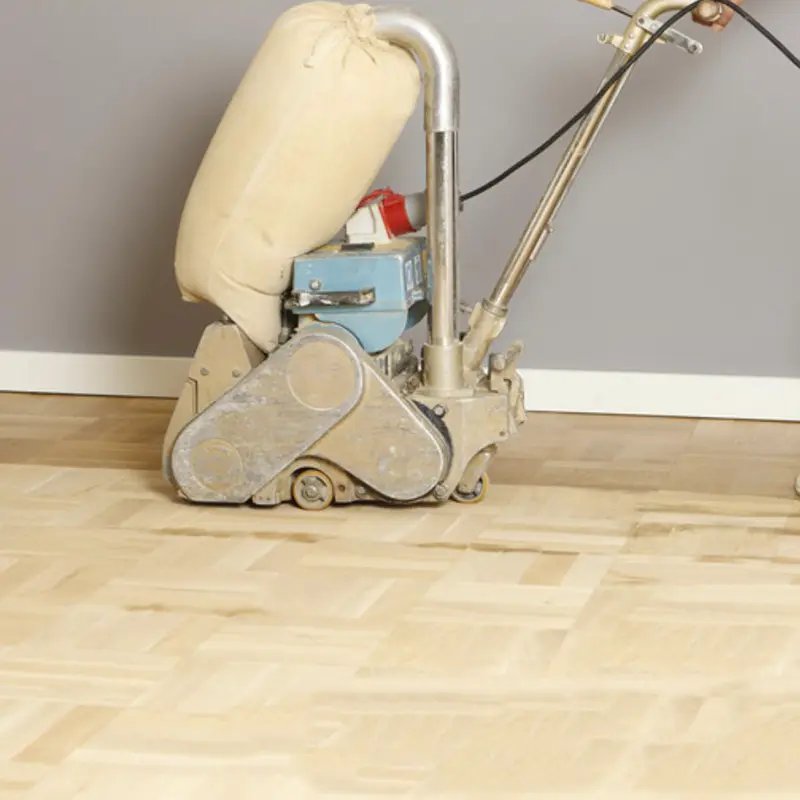
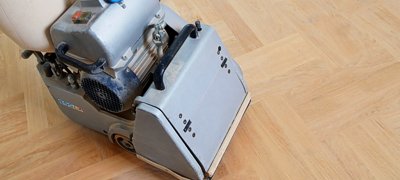
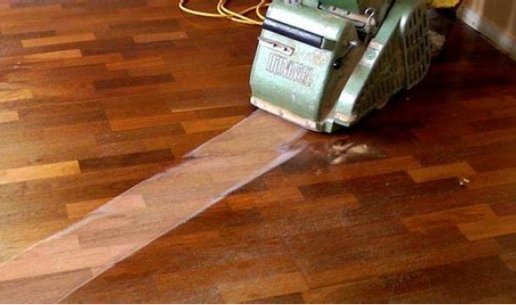
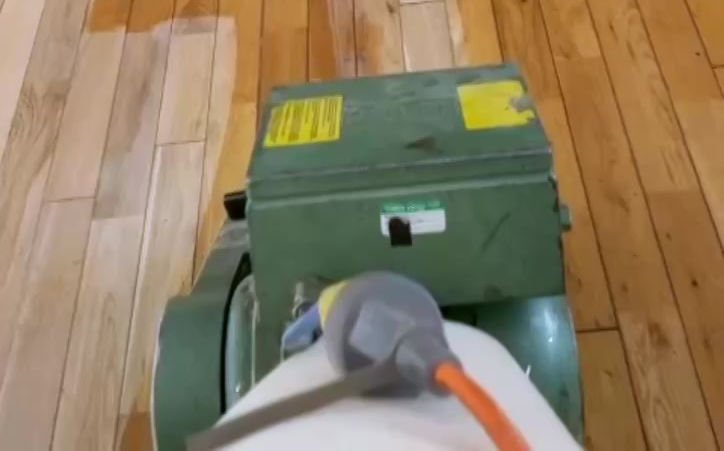
Individual blocks can be carefully removed and replaced with matching timber. Surface damage can sometimes be addressed by careful sanding. However, parquet is a thin veneer on each block, so there's limited material available for sanding. Blocks that have been over-sanded in the past may need replacement rather than further refinishing.
Are you a flooring specialist?
Join our directory and connect with homeowners across the UK who are looking for your expertise in period property restoration.
List Your Business