Masonry & Brickwork Restoration
Expert stone masons and bricklayers specialising in period property restoration
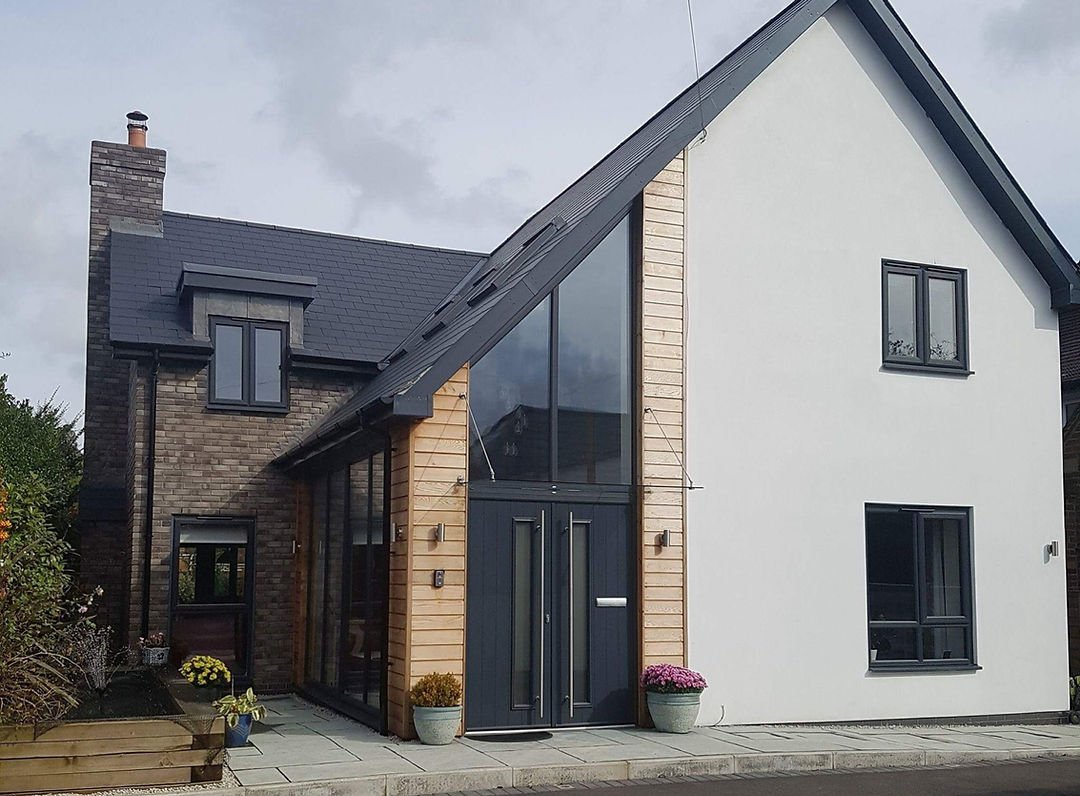
The masonry of a period building tells its history - from the local stone or handmade bricks chosen by the original builders, to the repairs and alterations made over centuries. Maintaining this masonry requires understanding of traditional materials and techniques that differ fundamentally from modern construction methods.
Last updated: 25 October 2026









































Our Masonry & Brickwork Services
Discover the specialist services available for your period property
Stone Masonry
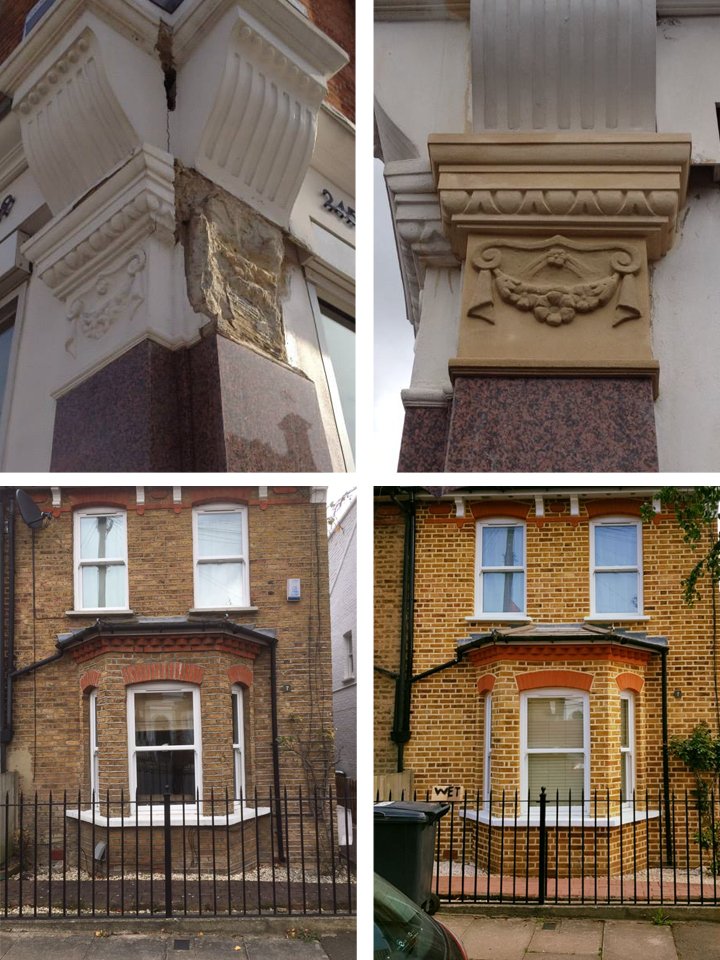
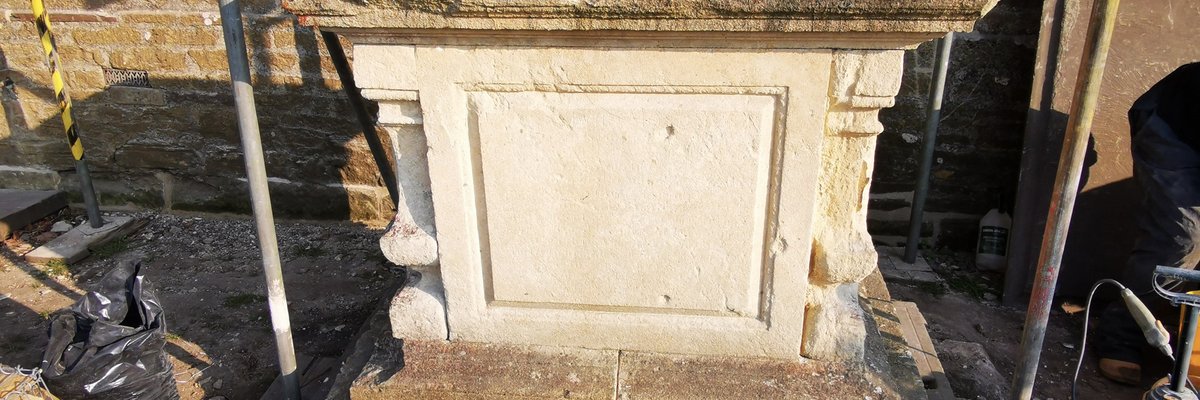
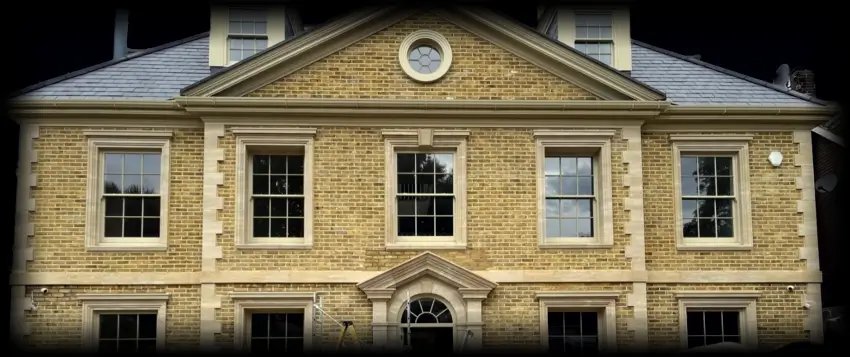
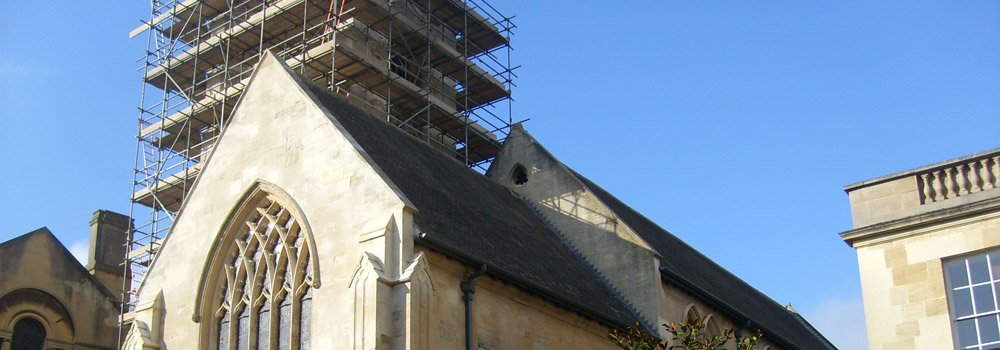
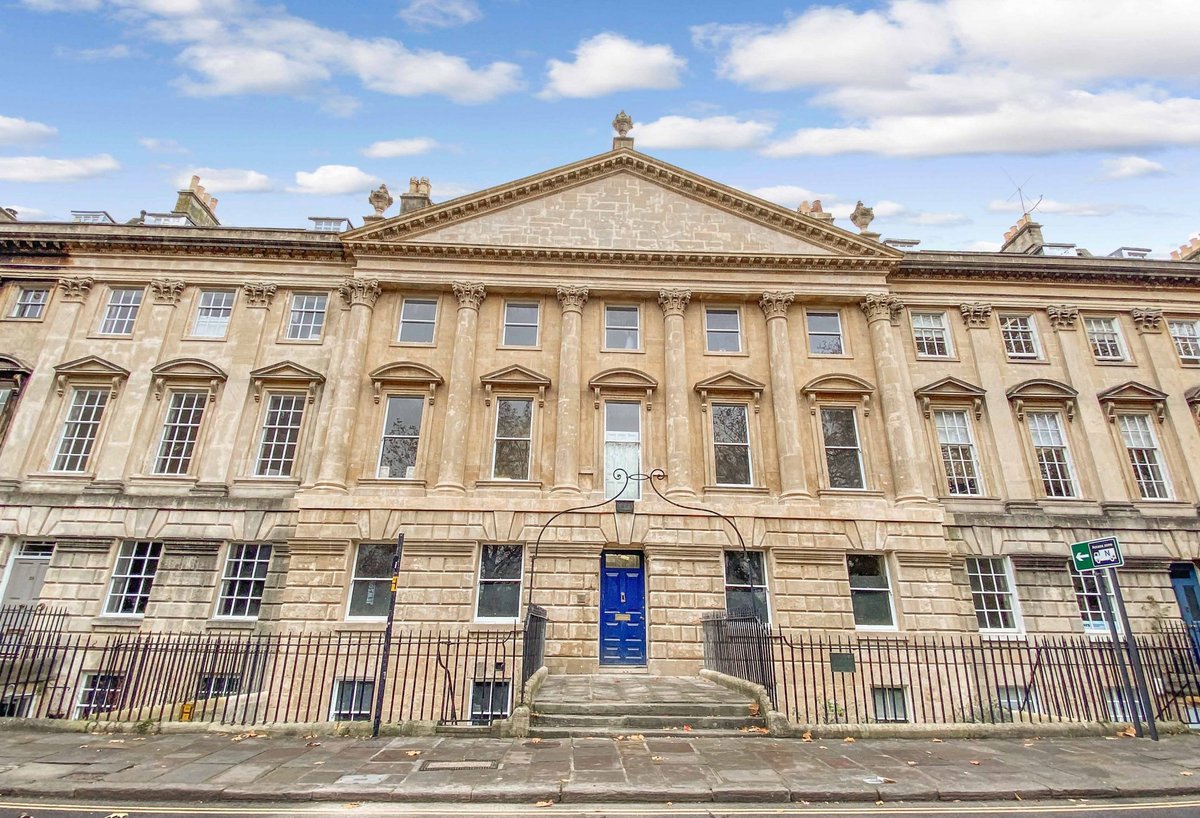
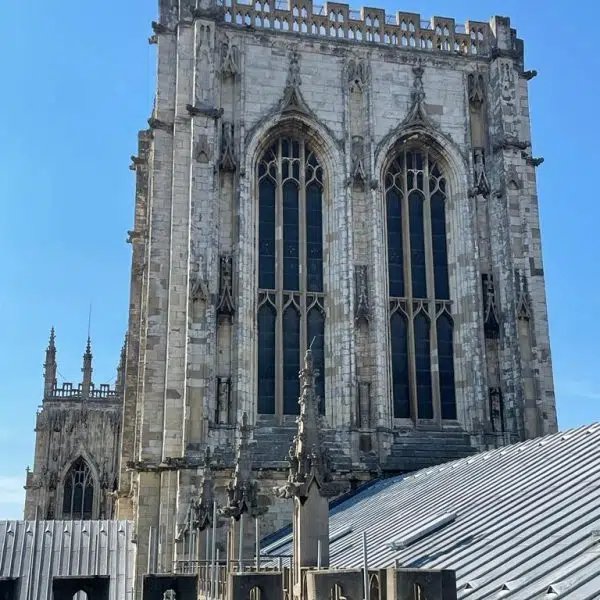
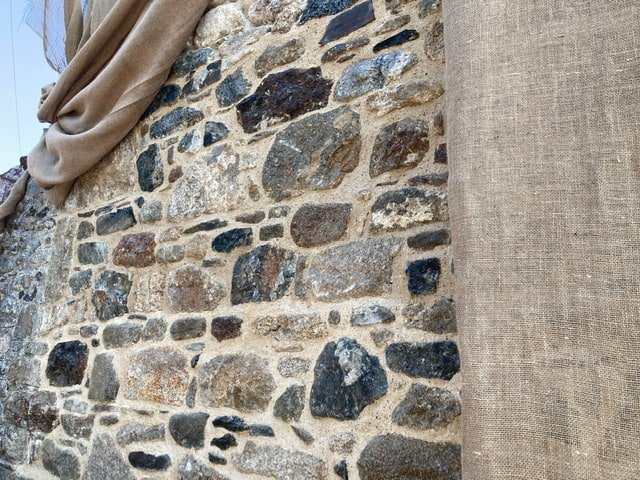
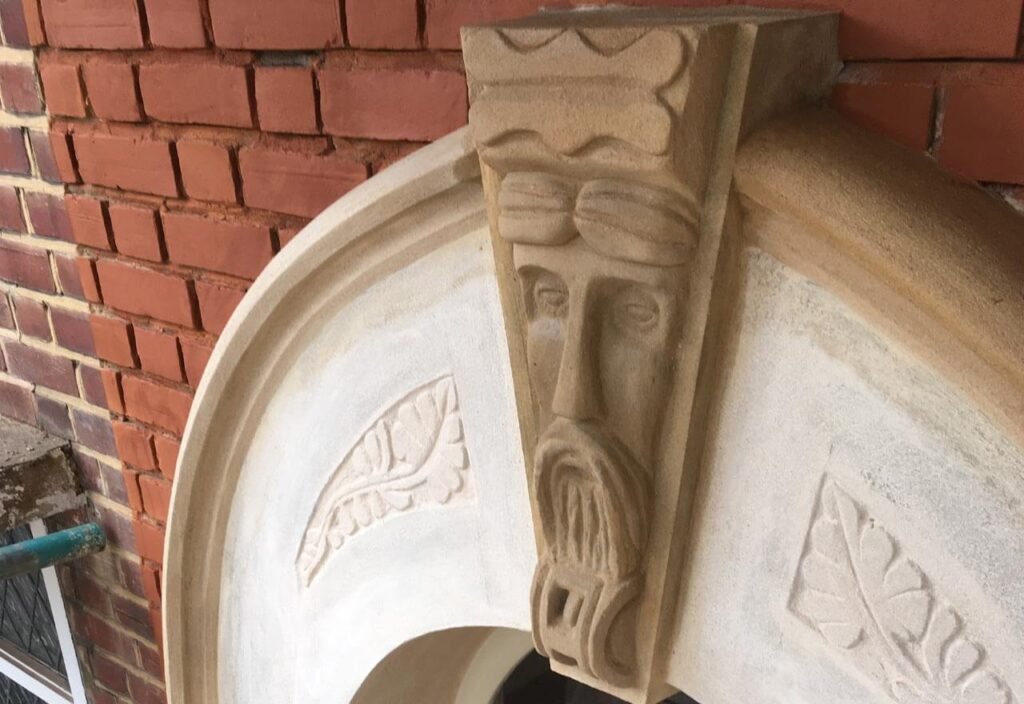
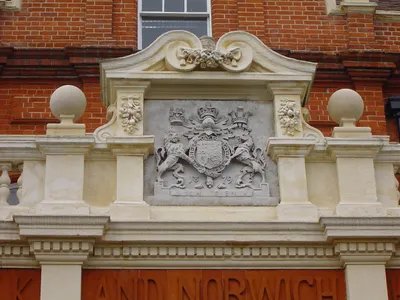
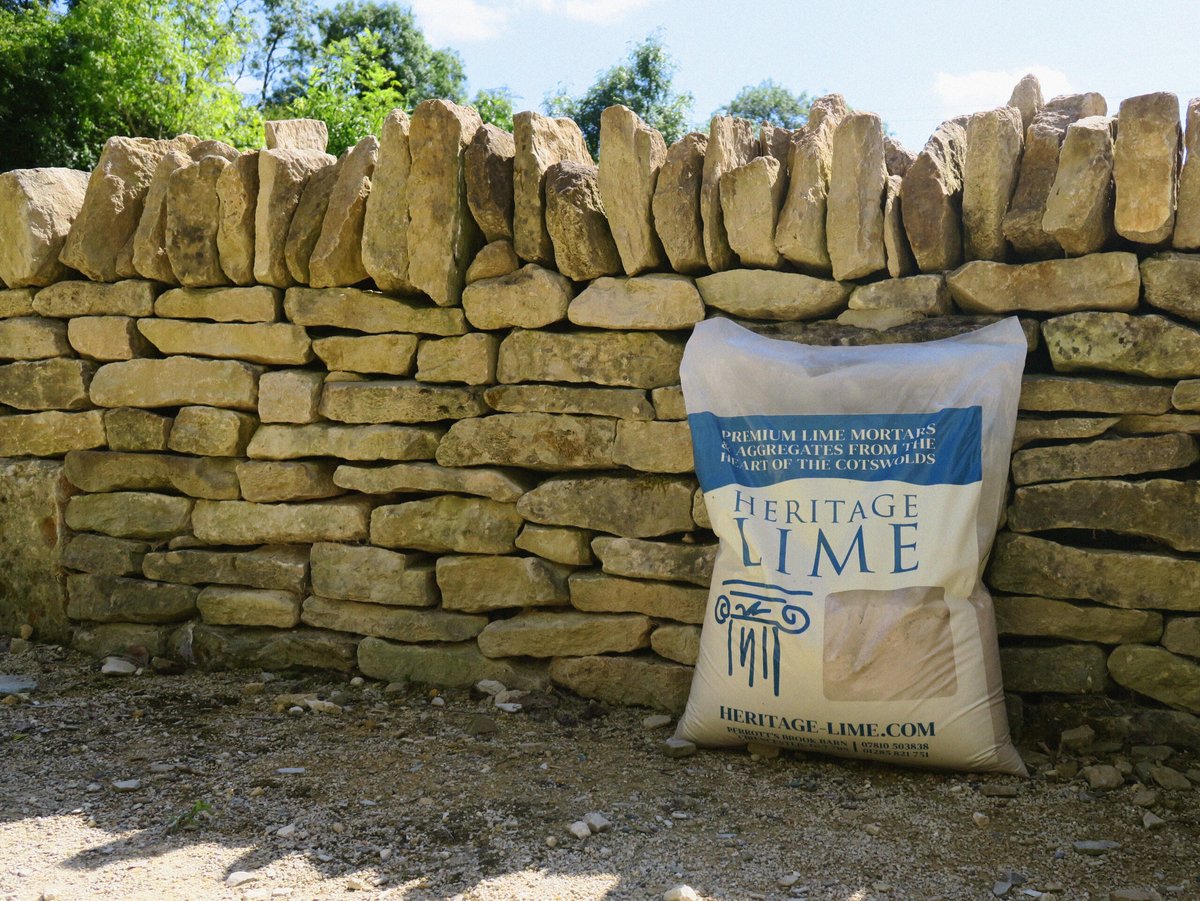
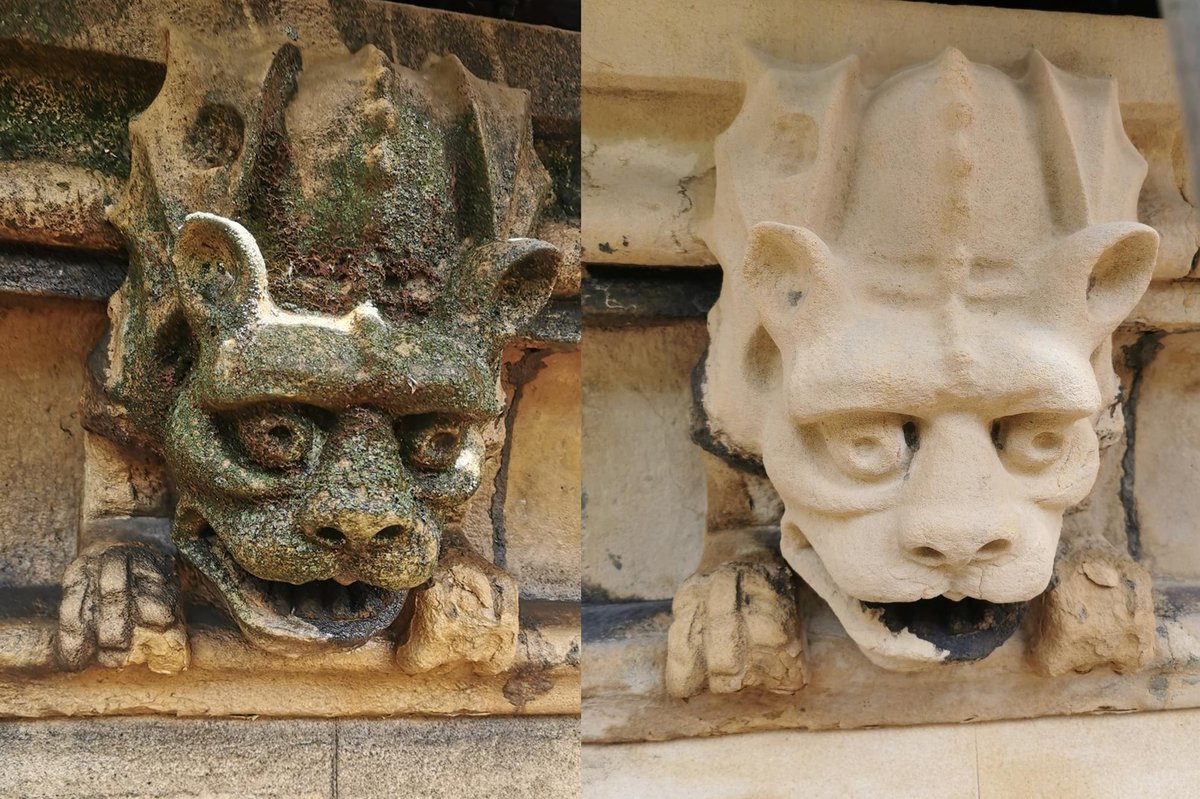
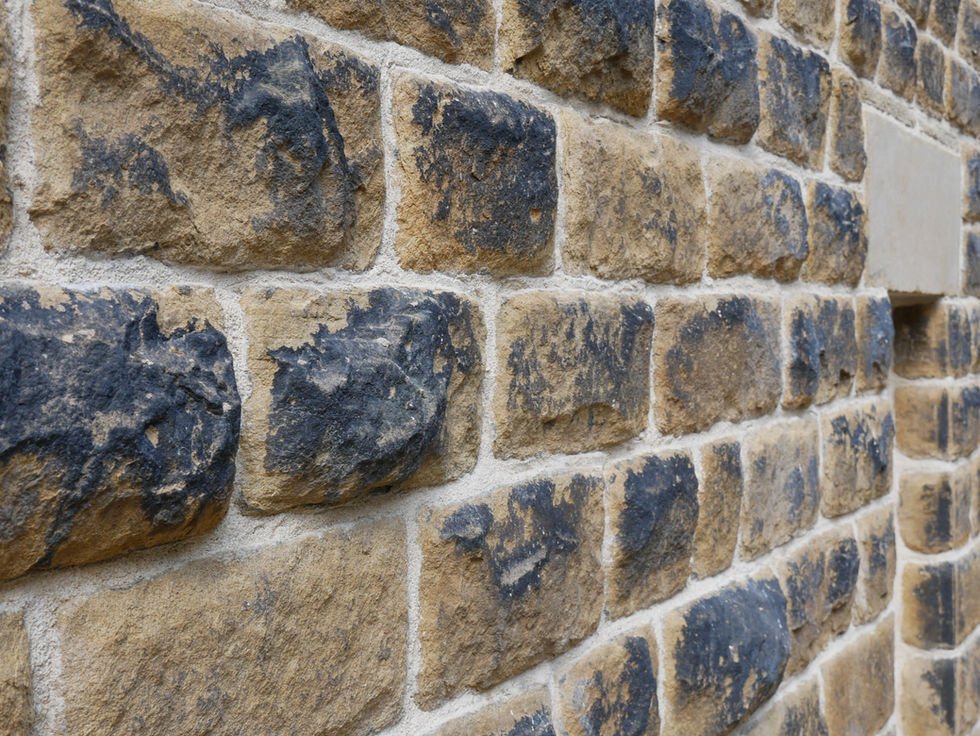
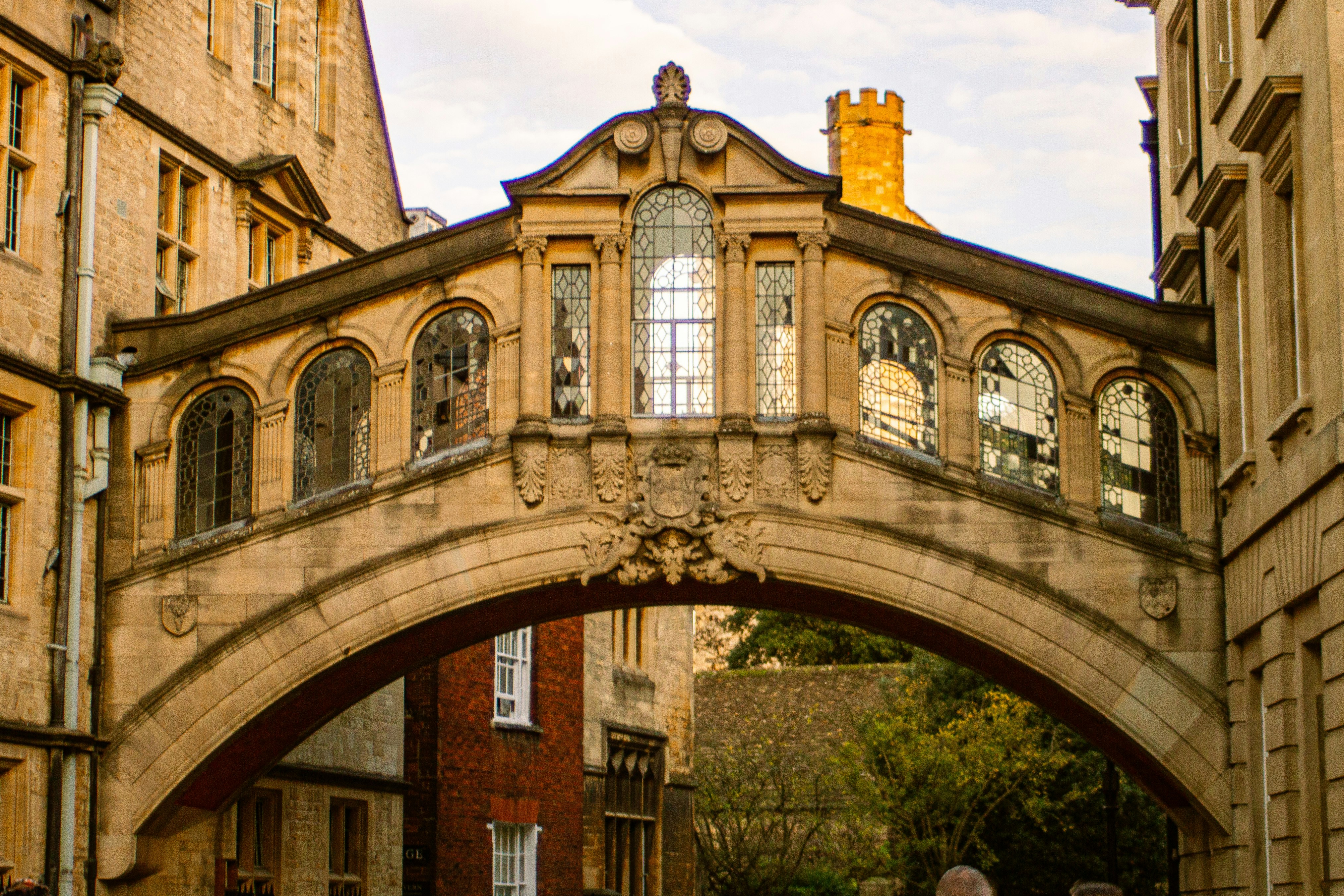
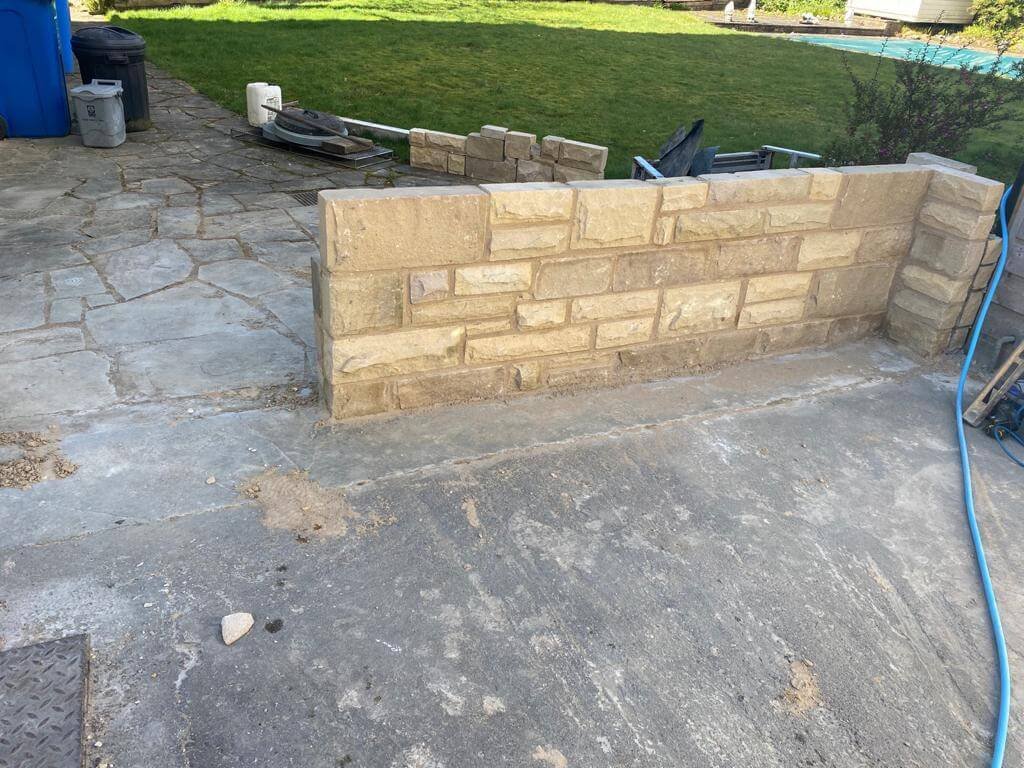
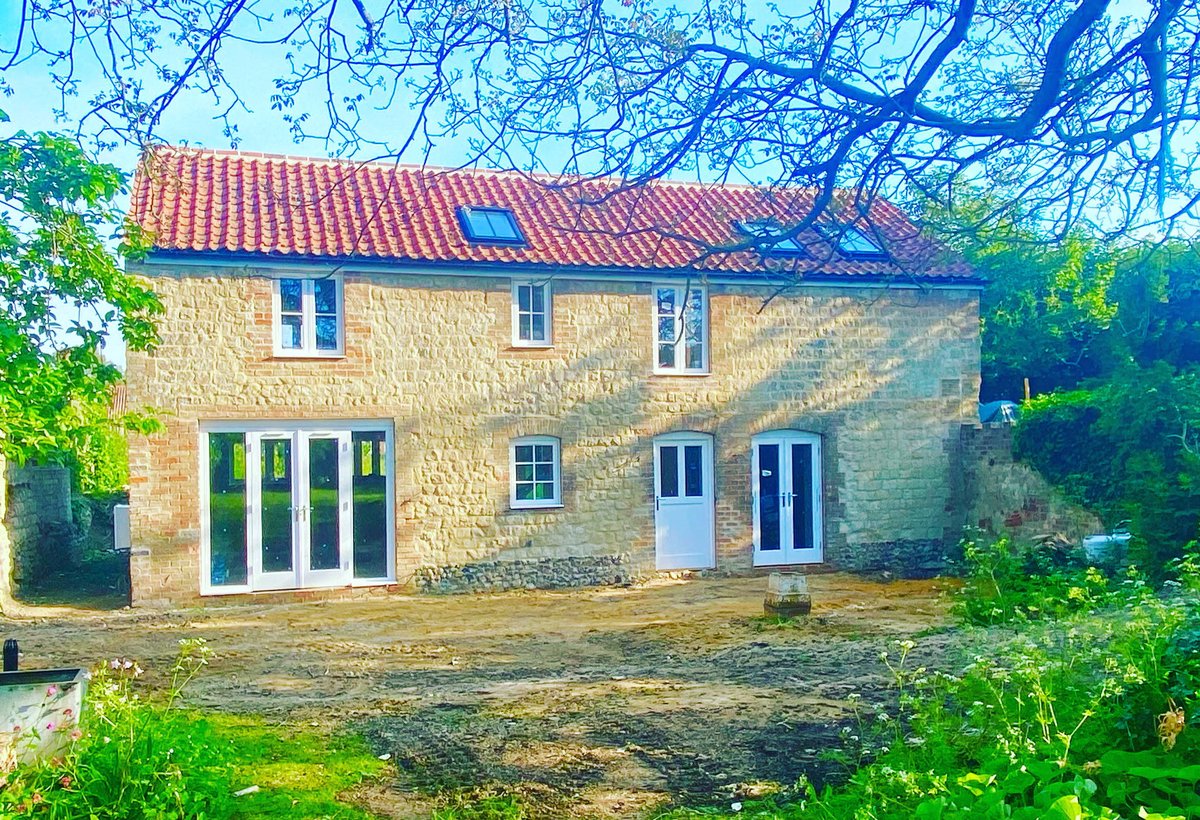
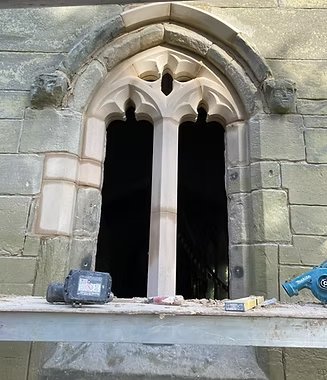
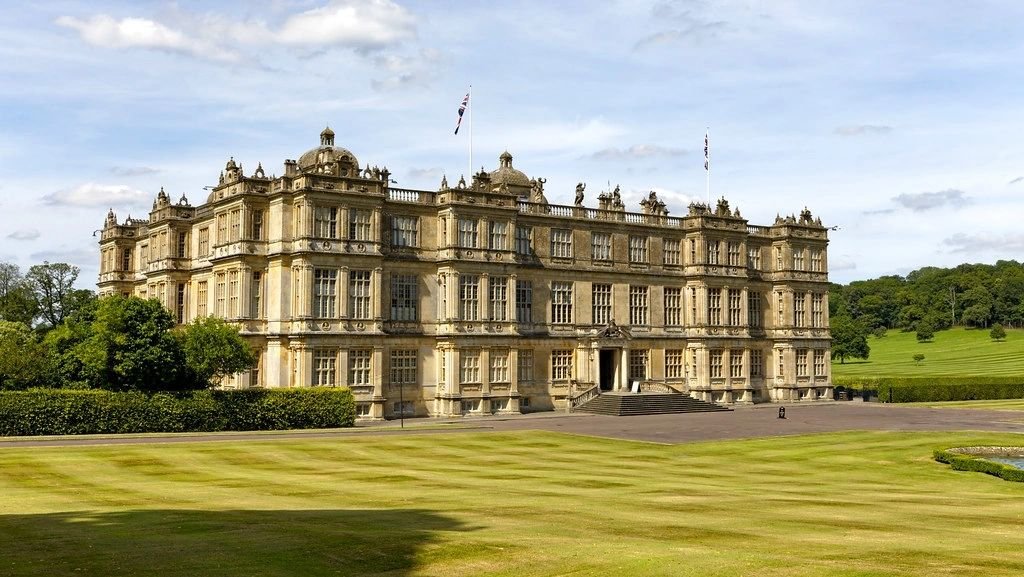
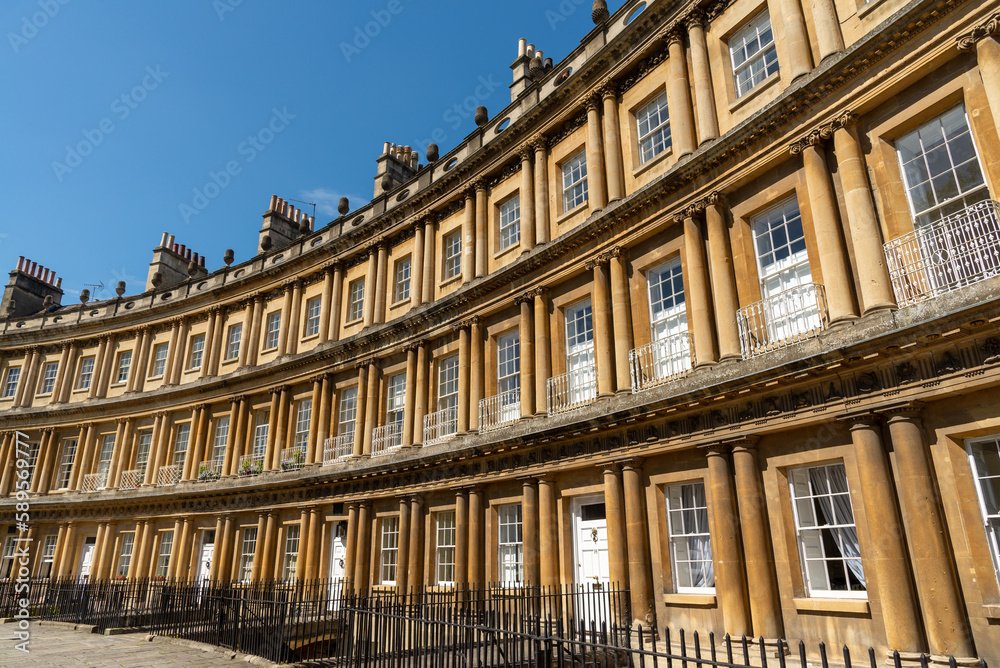
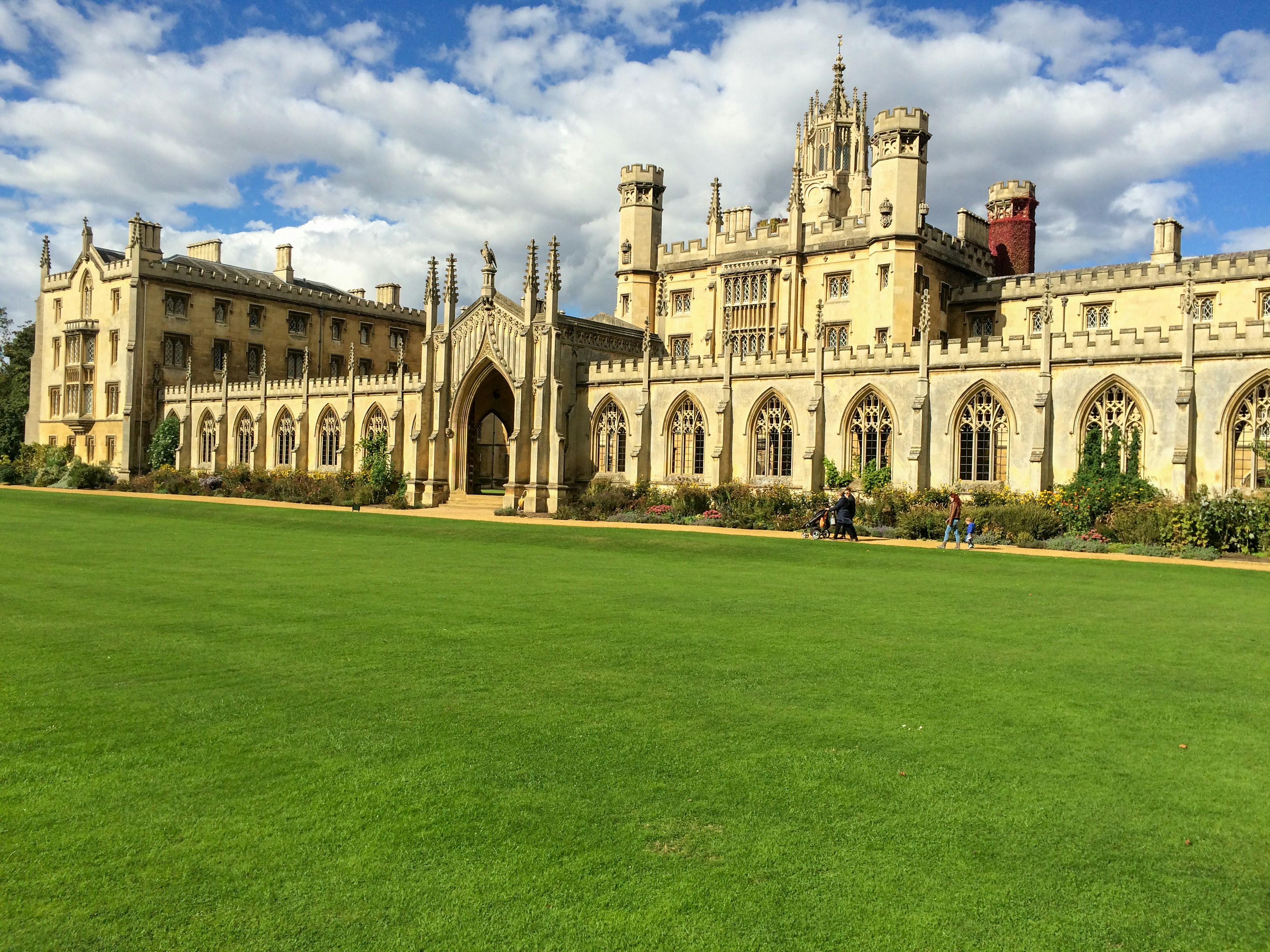
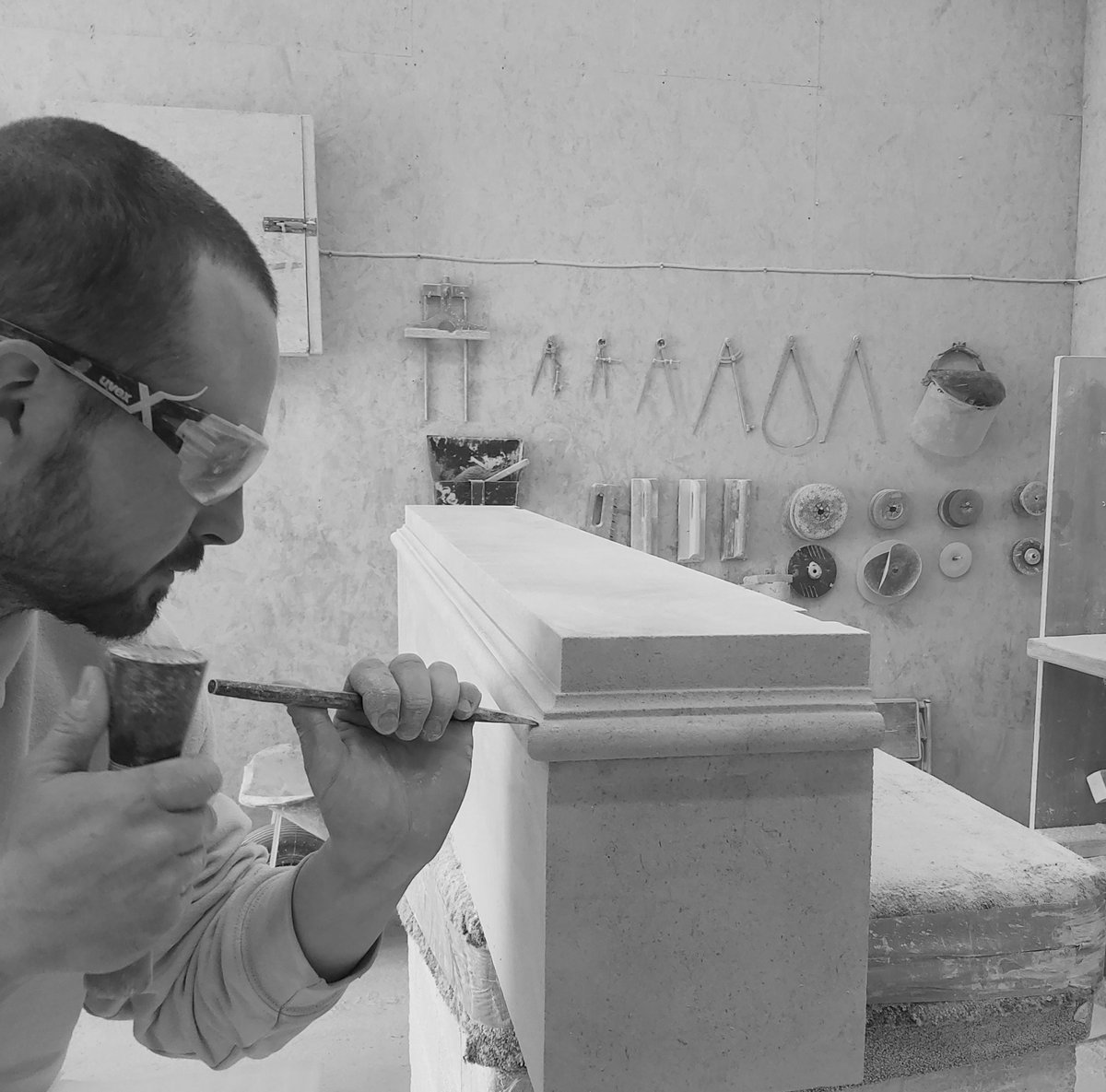
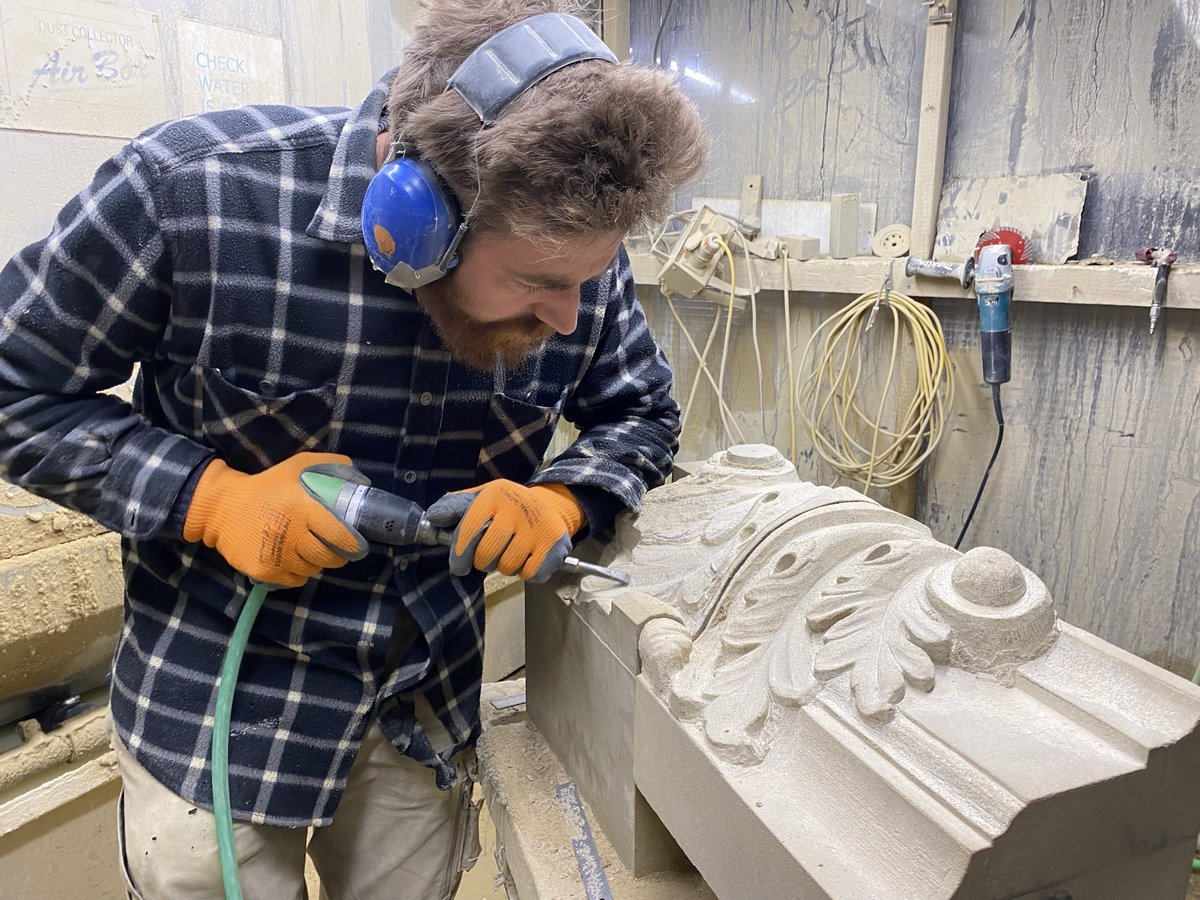
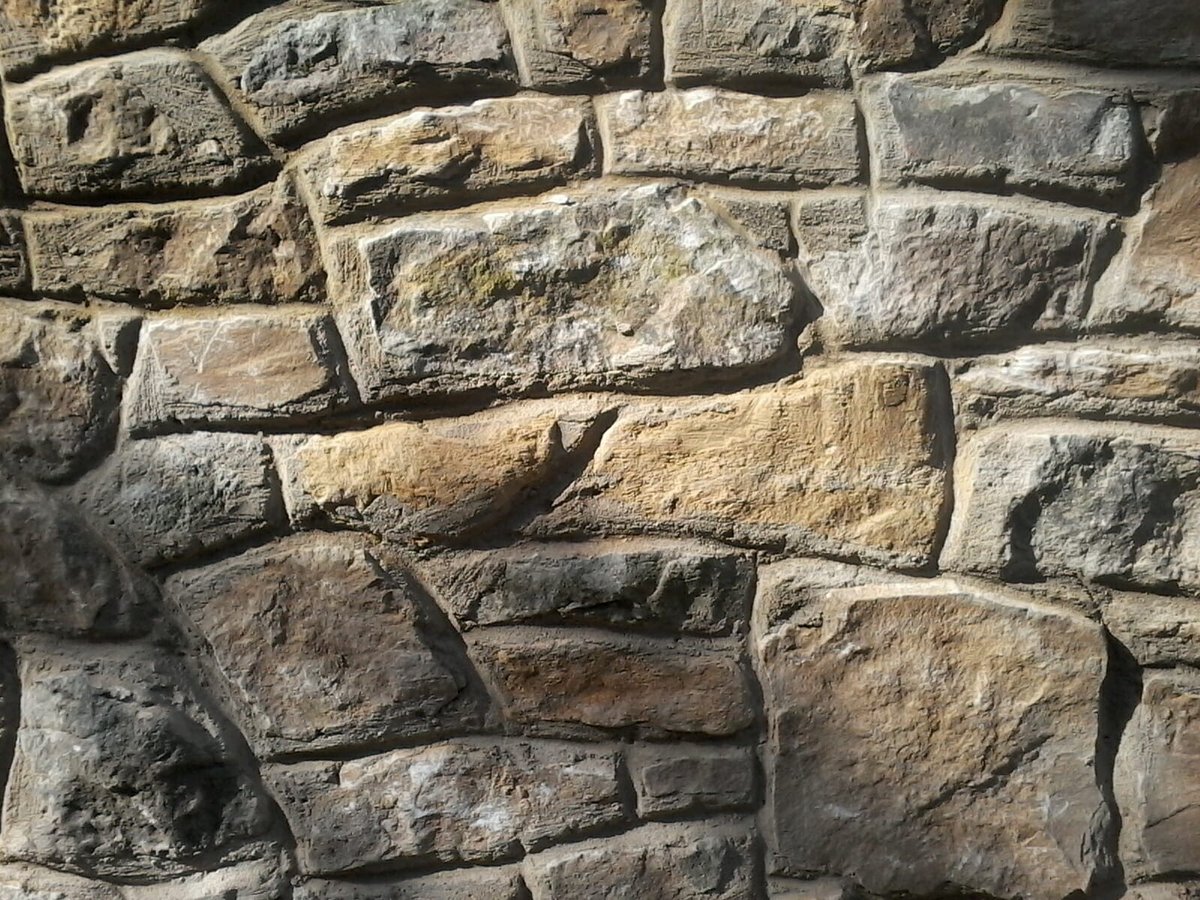
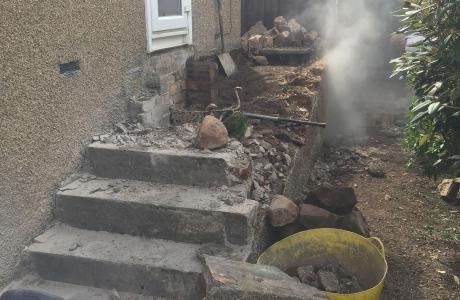
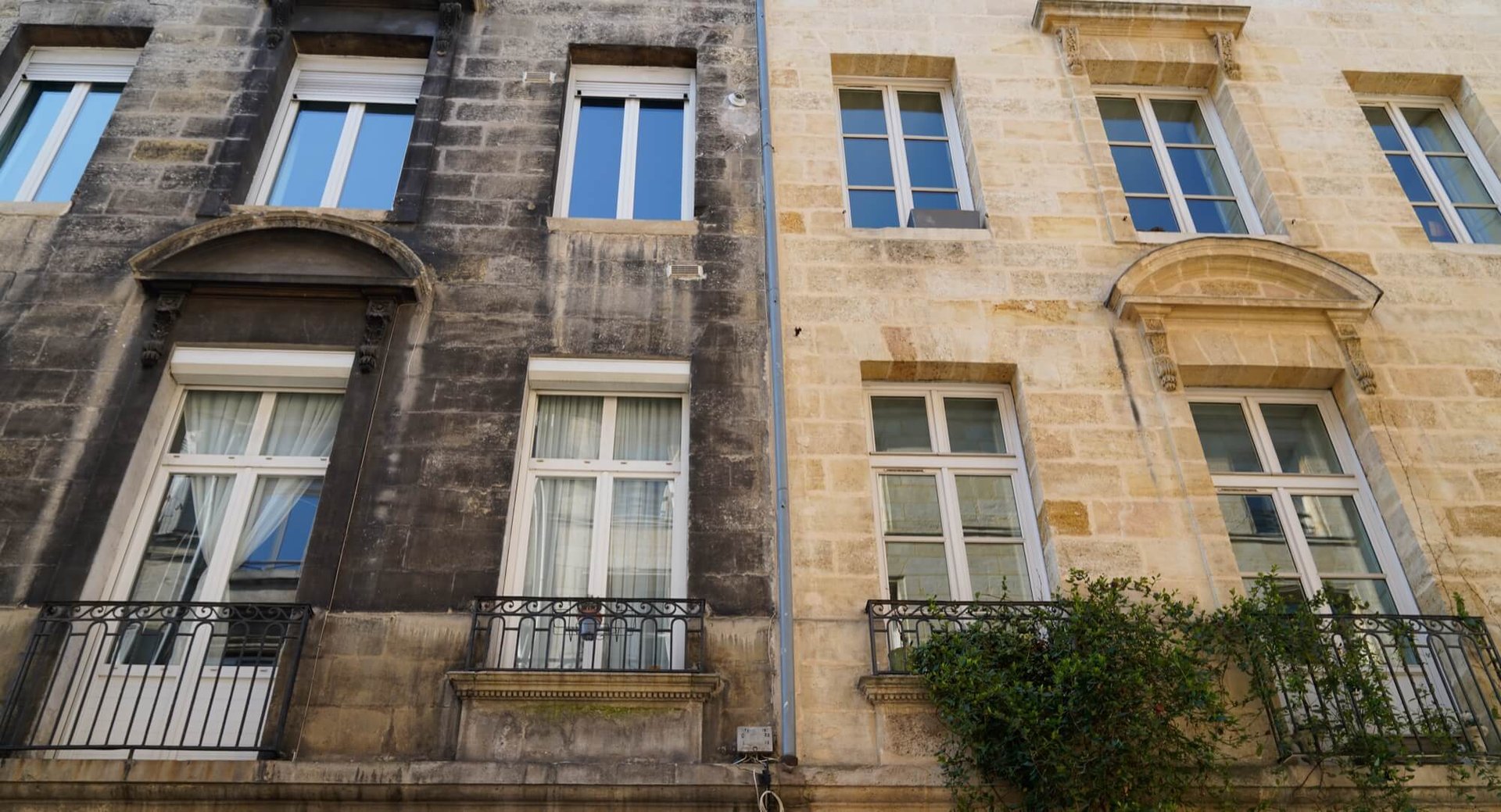
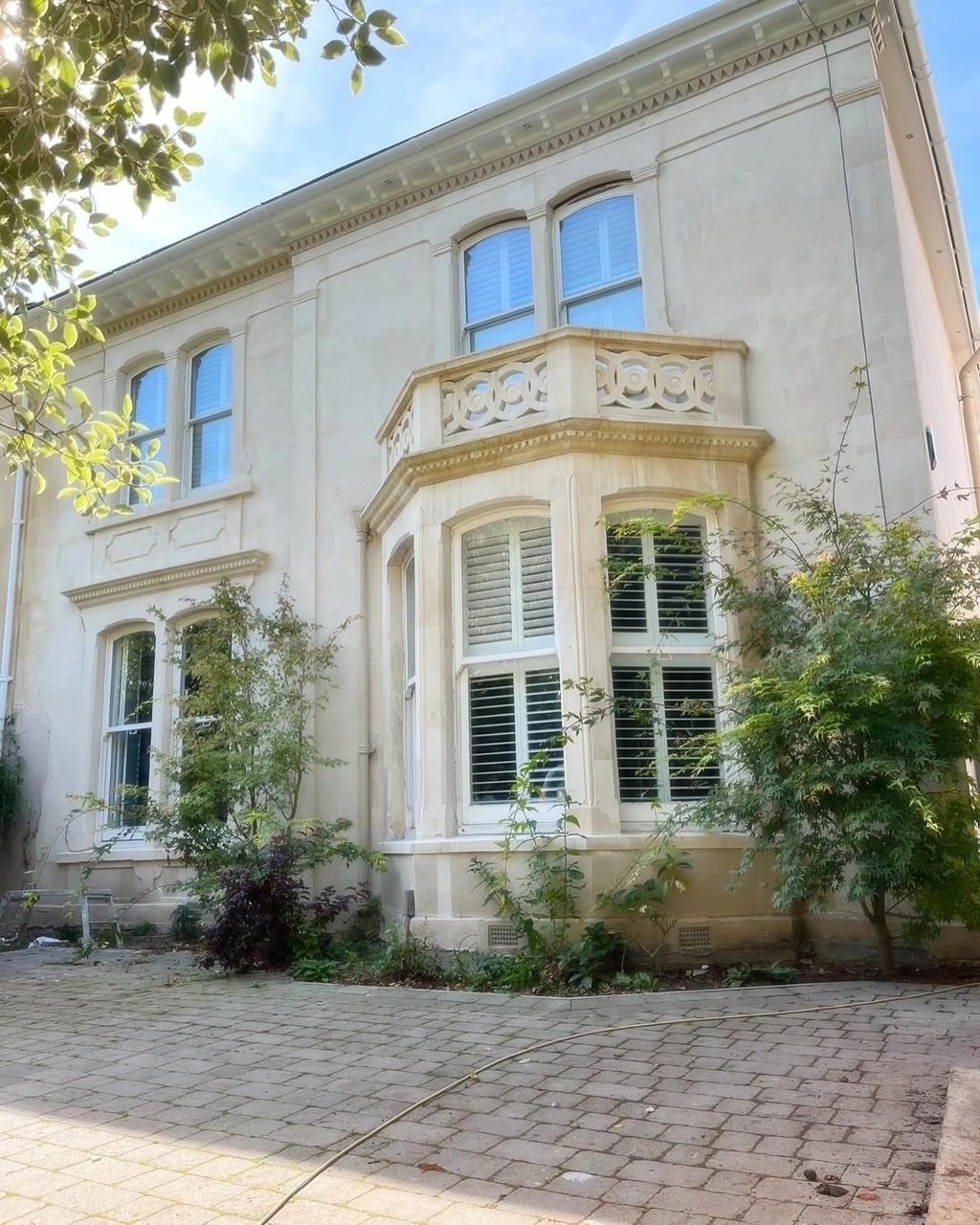
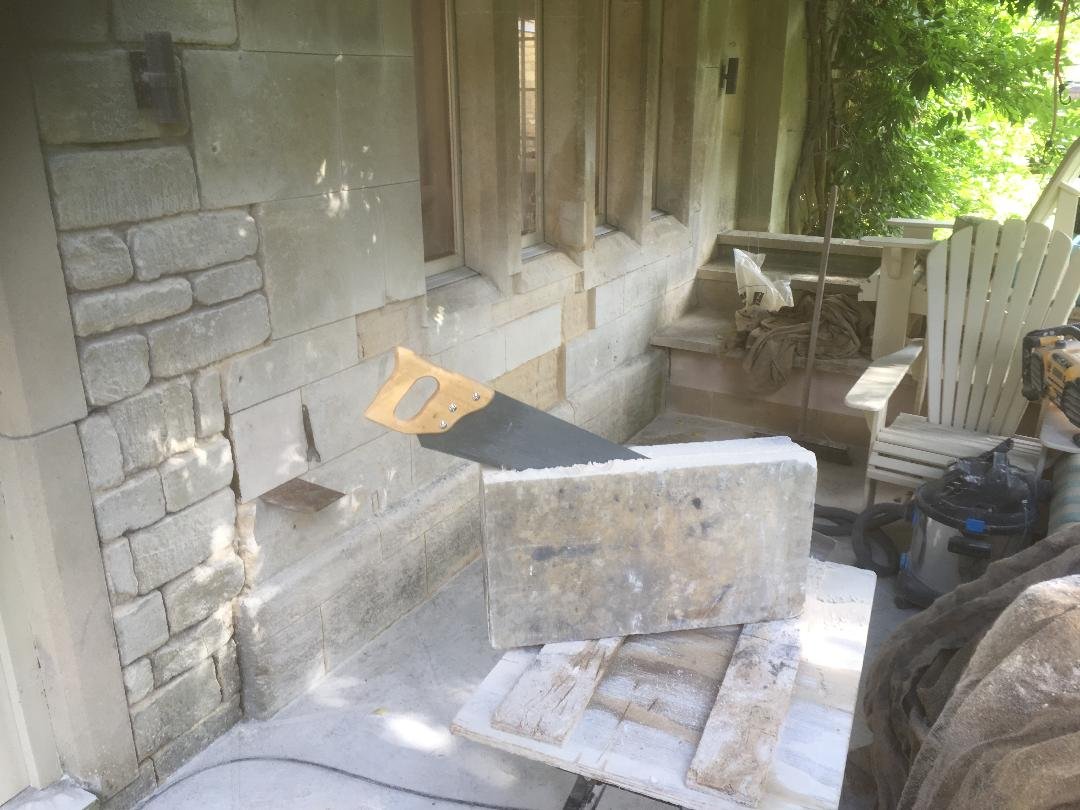
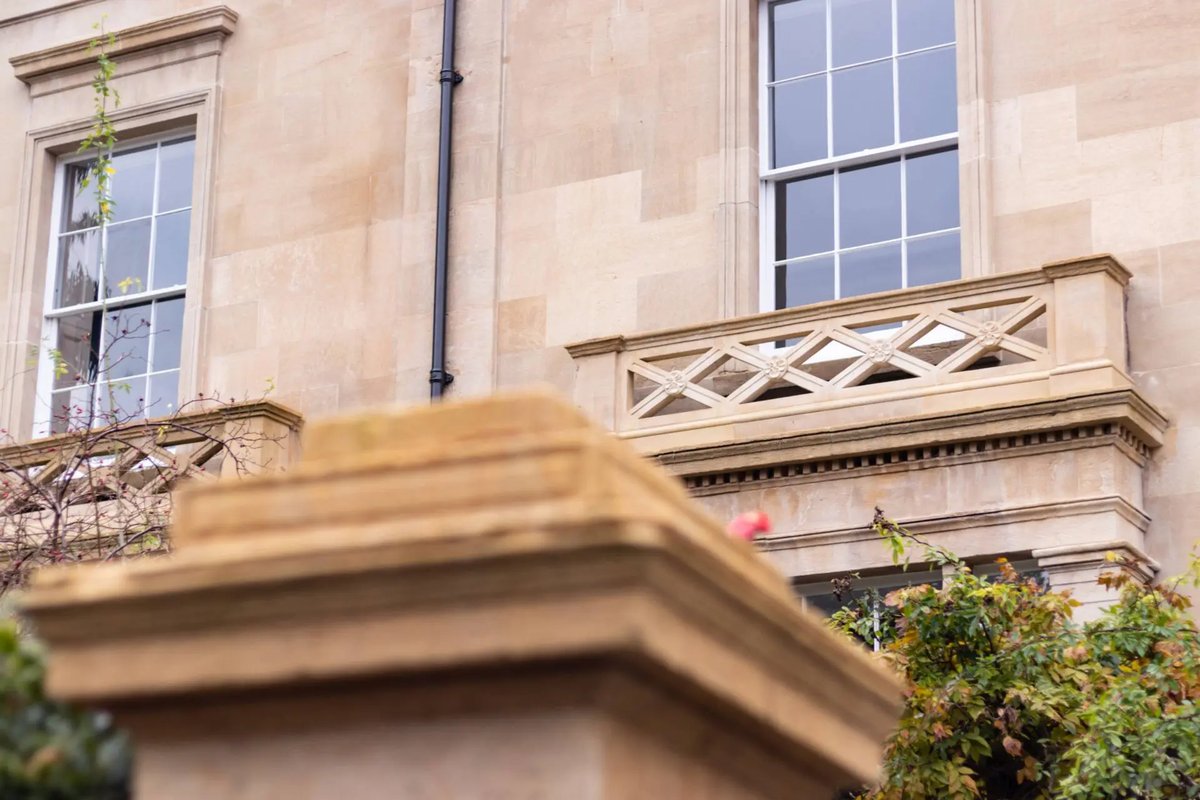
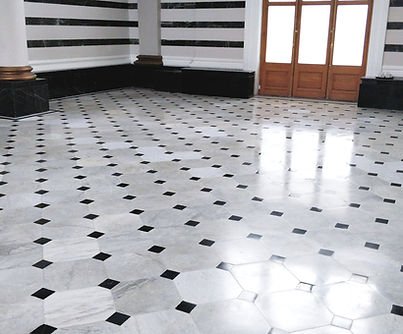
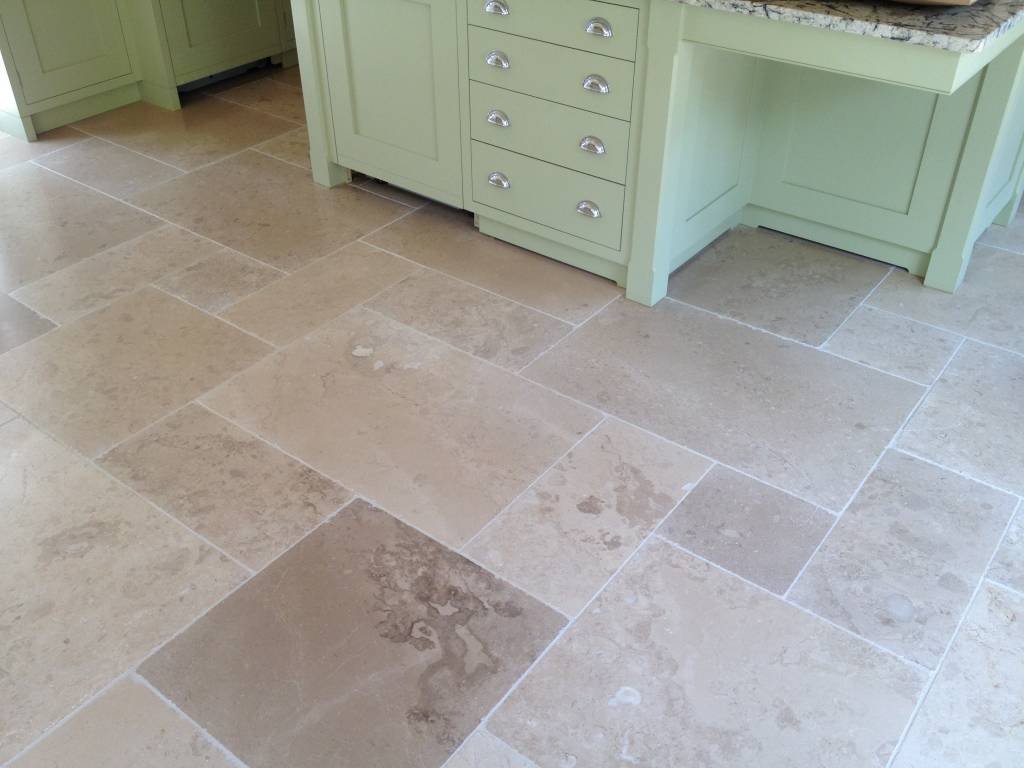
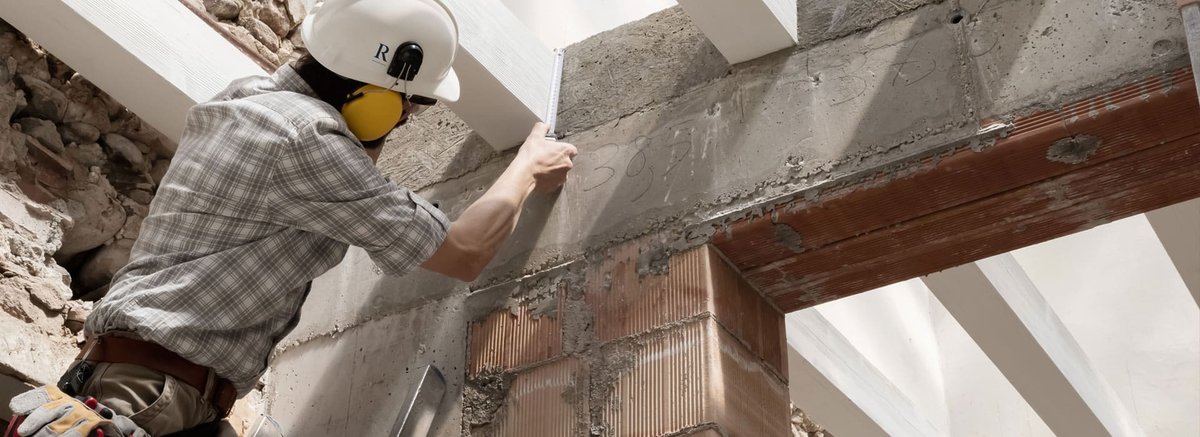
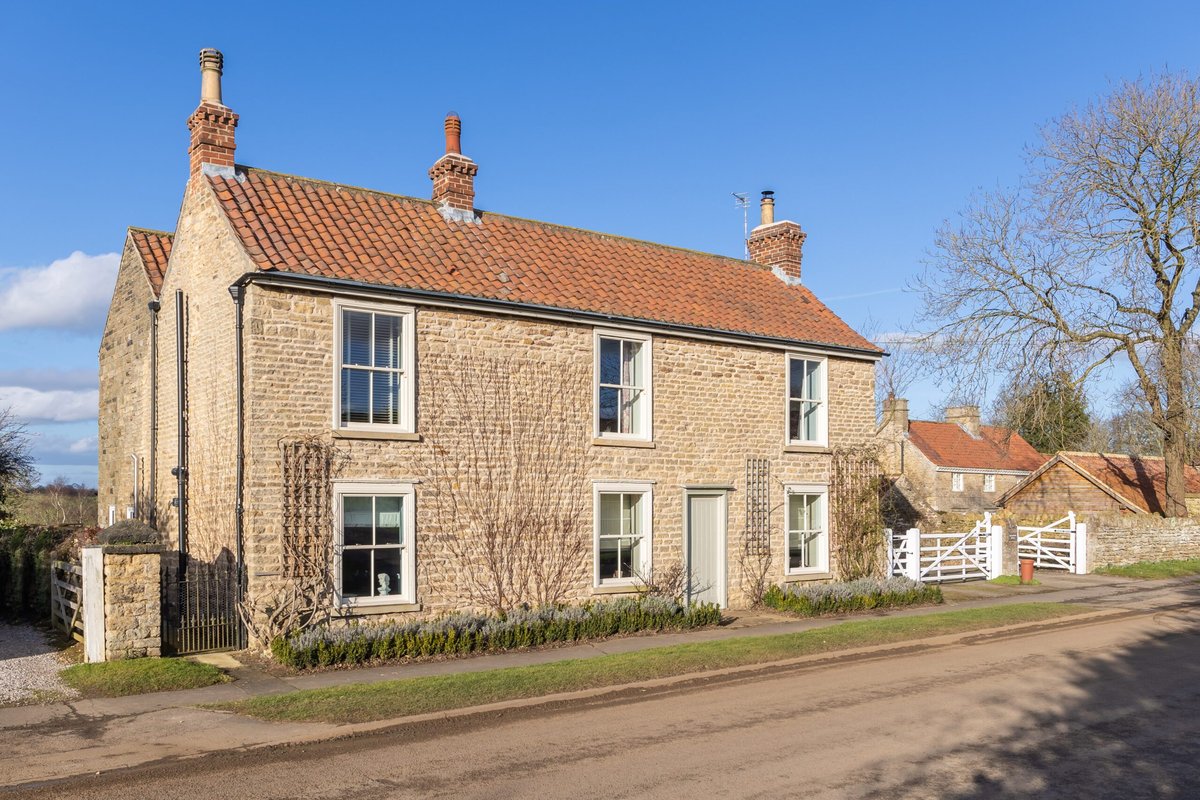
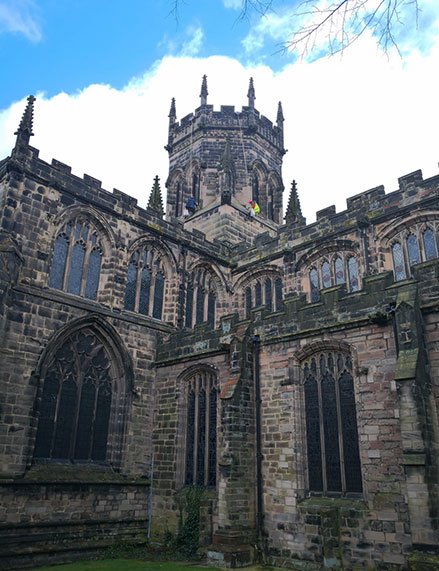
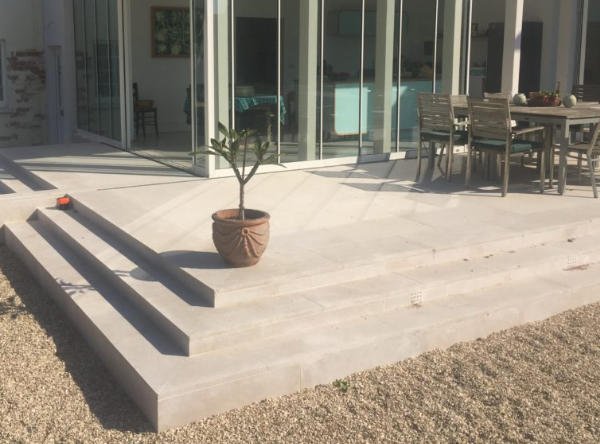
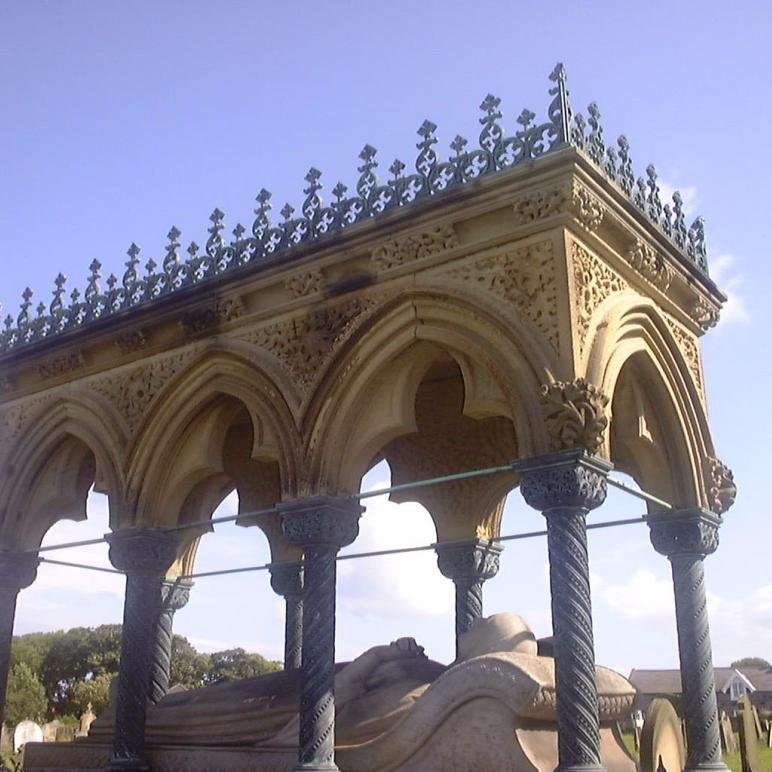
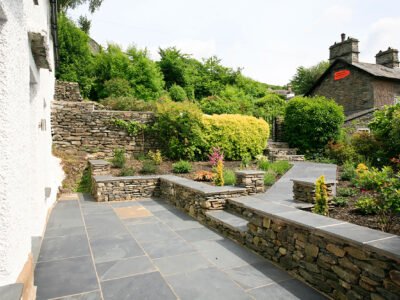
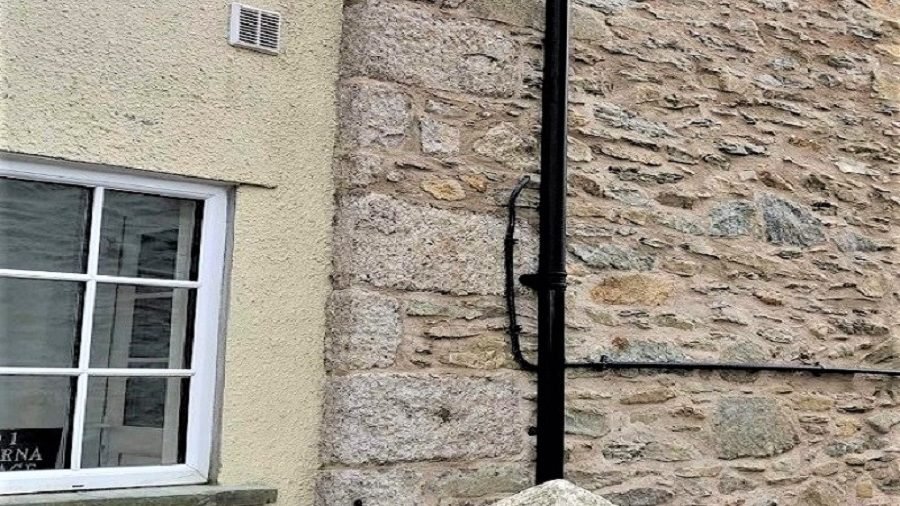
Stone masonry encompasses both the repair of existing stonework and the creation of new stone elements. Period buildings may feature anything from roughly coursed rubble walls to precisely cut ashlar facades, each requiring different skills and approaches. Common repairs include indent work (cutting out and replacing damaged stones), piecing in (splicing new stone onto existing), and consolidation treatments for eroding surfaces. New work might include replacement copings, lintels, or carved elements matching existing details. A skilled stone mason can match existing stone types, work to traditional joint widths, and ensure repairs blend seamlessly with original work.
Brick Restoration
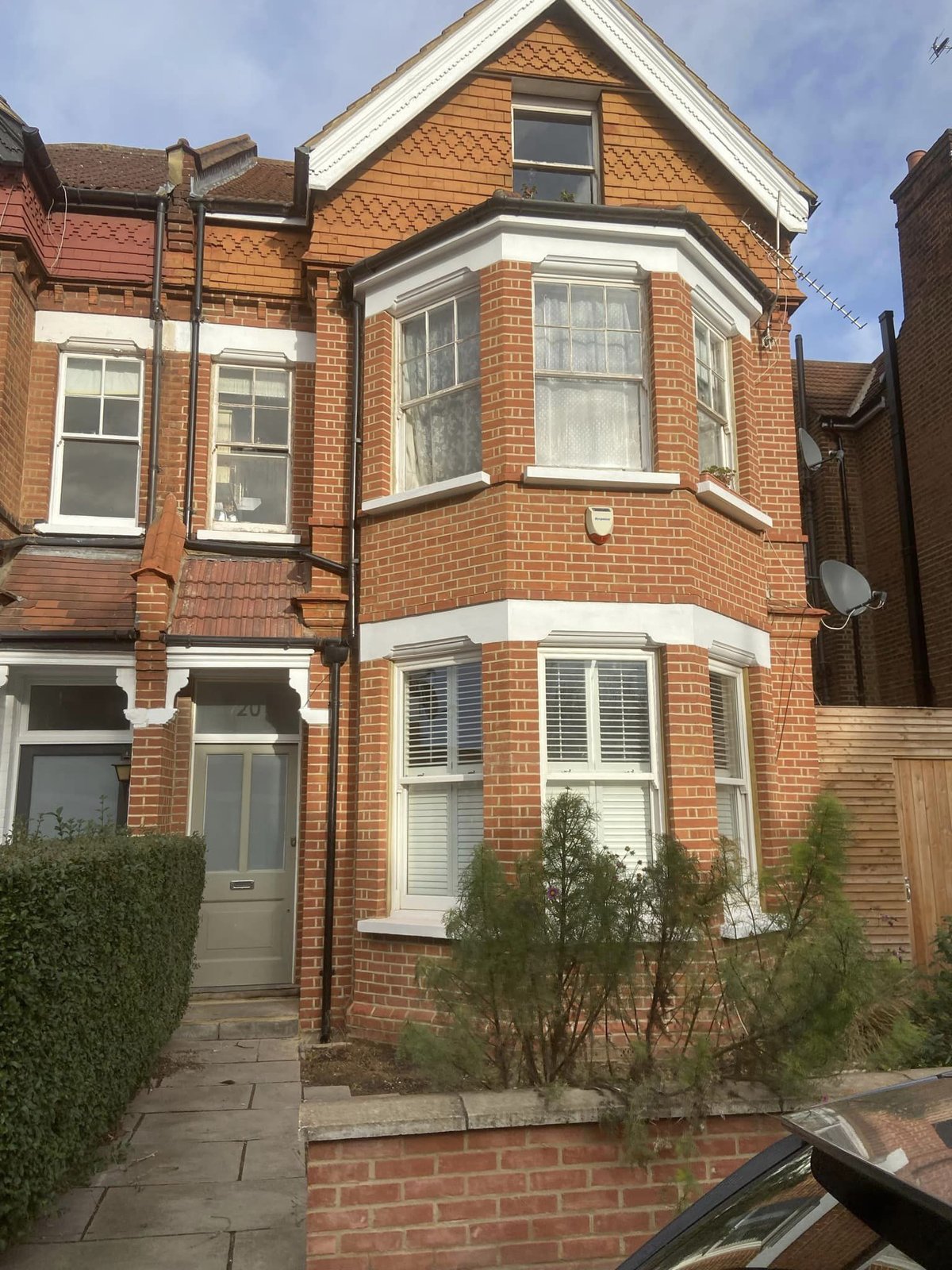
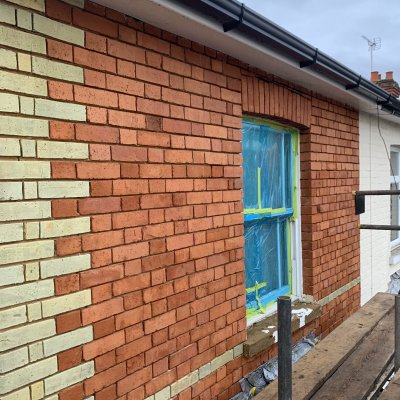
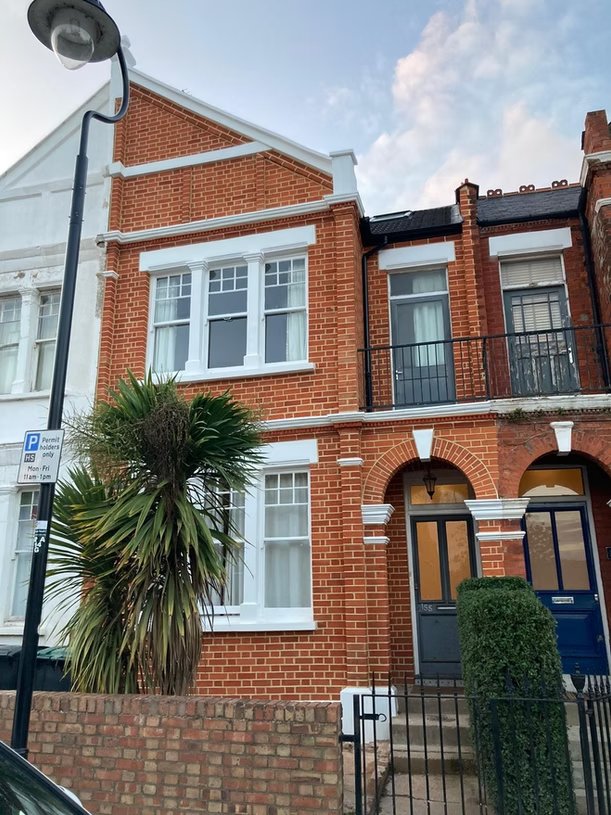
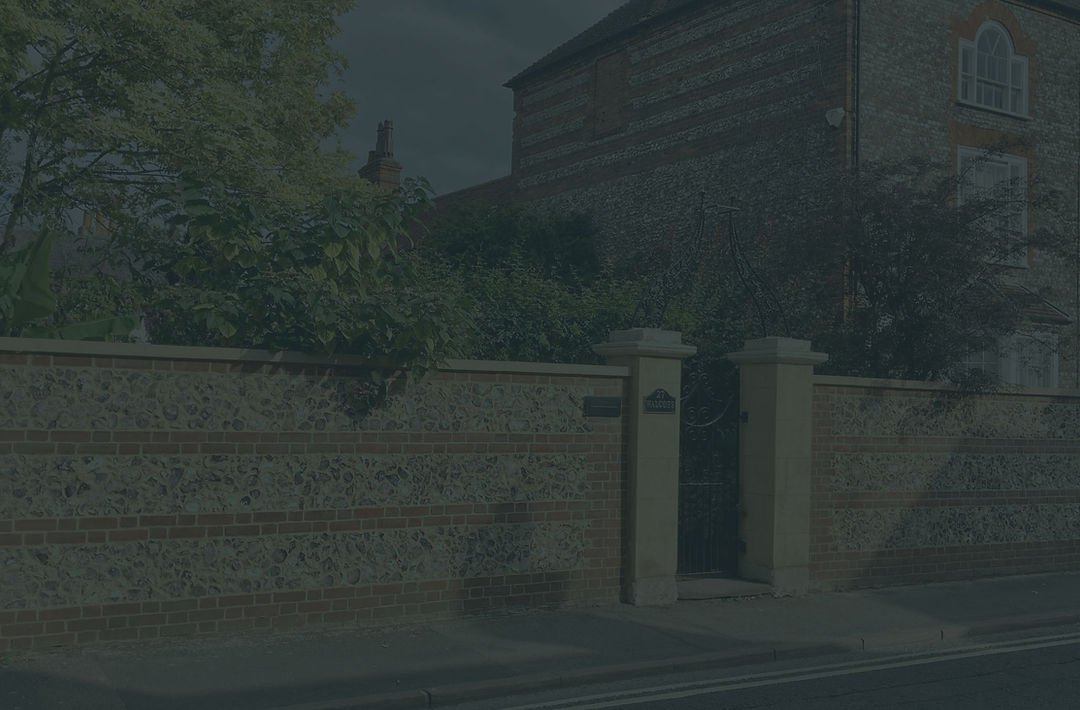
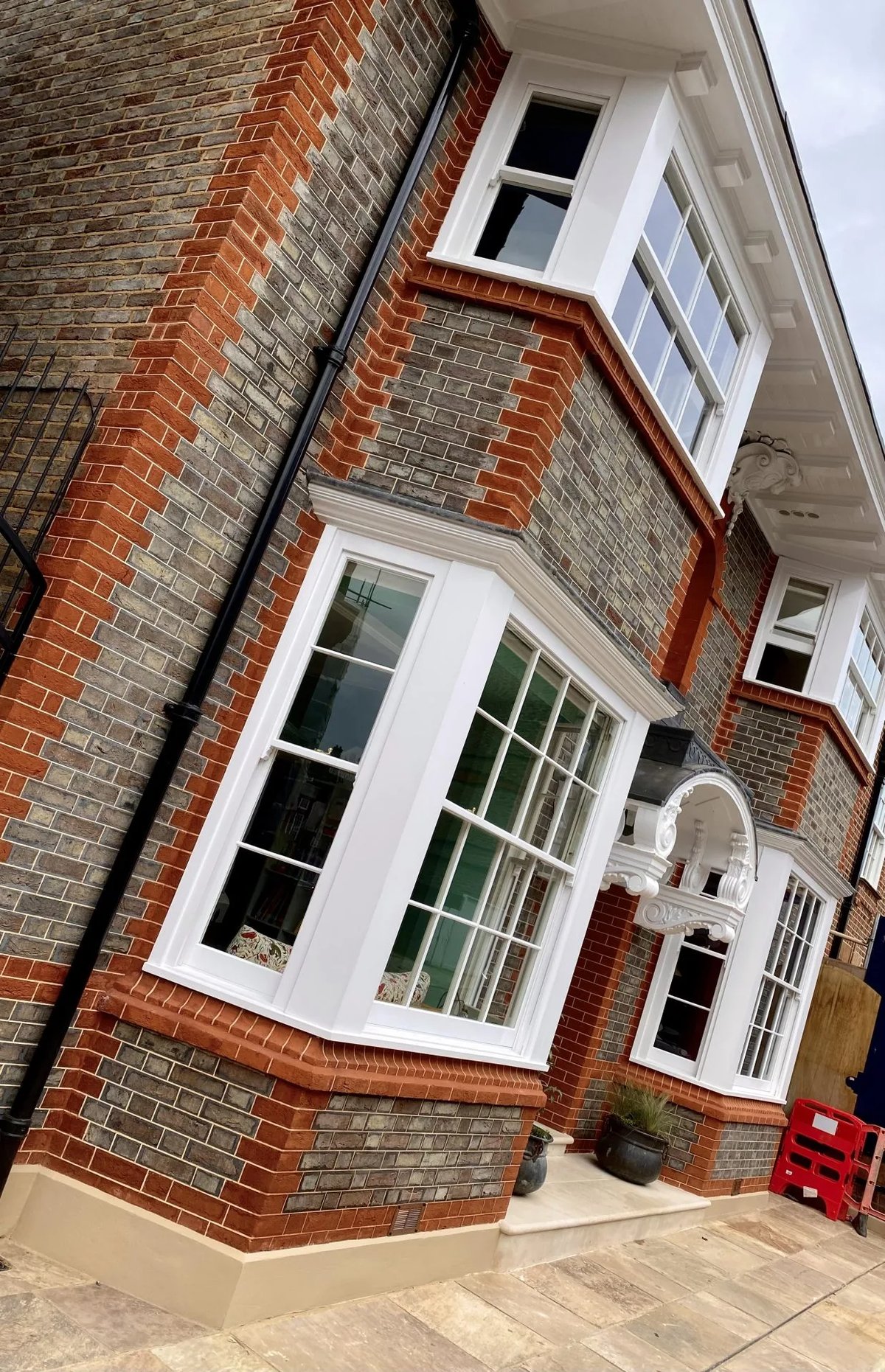
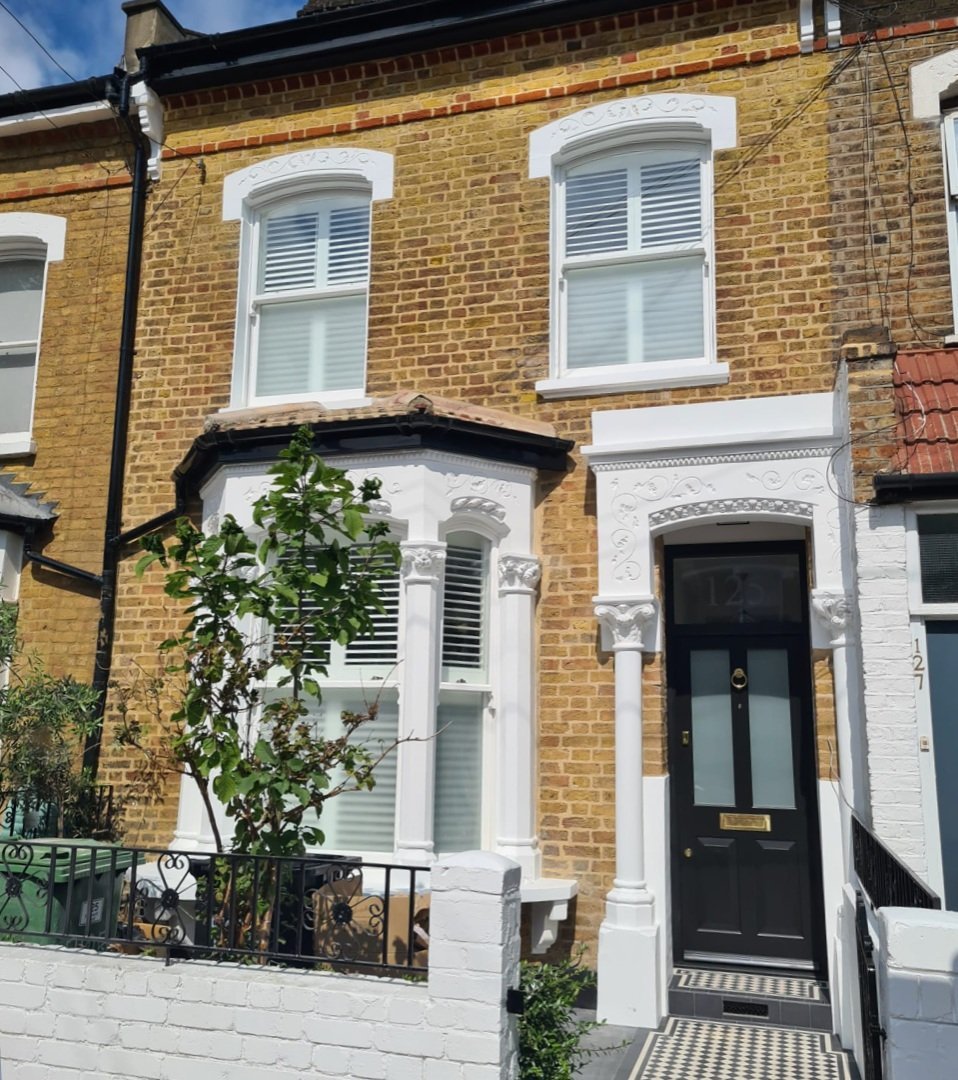
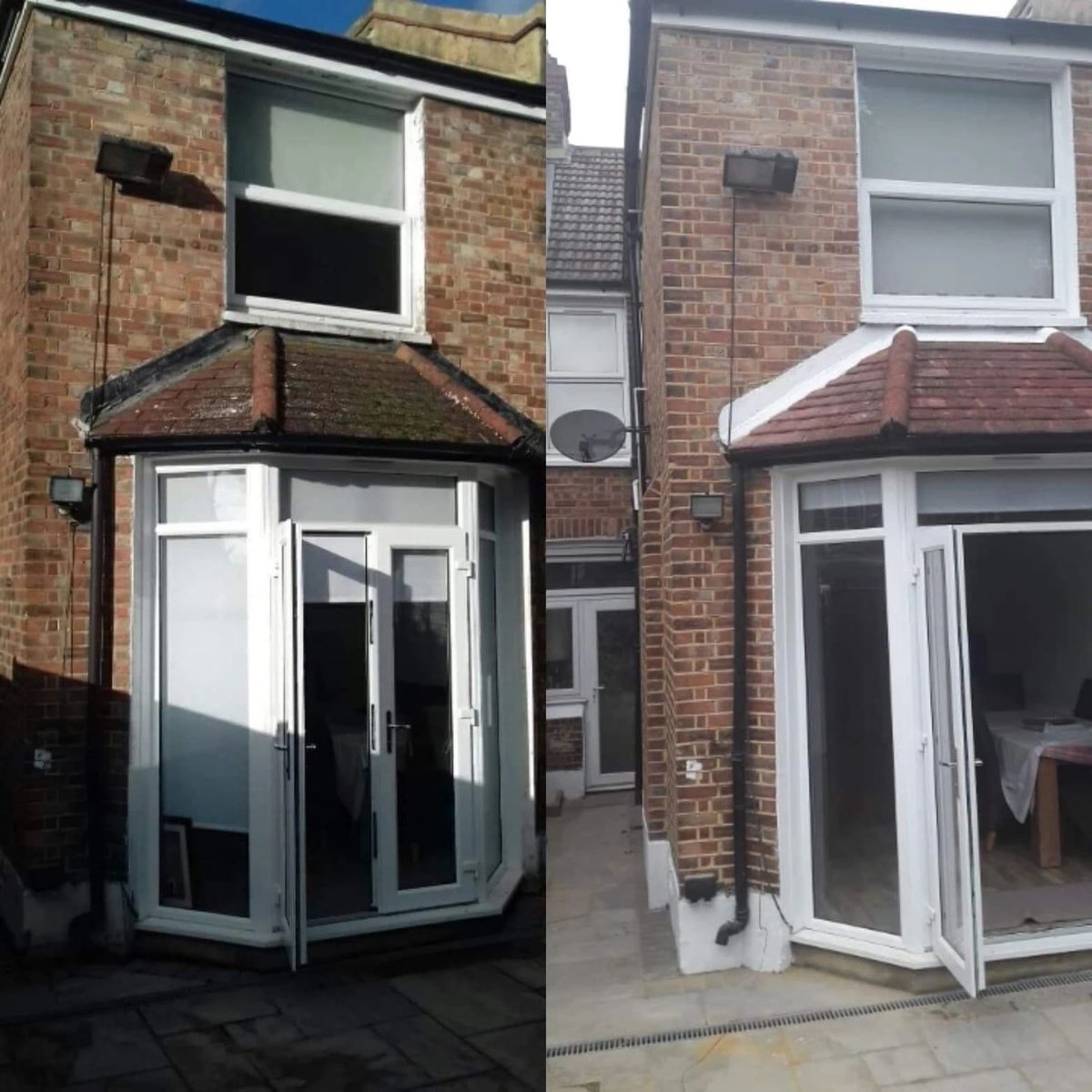
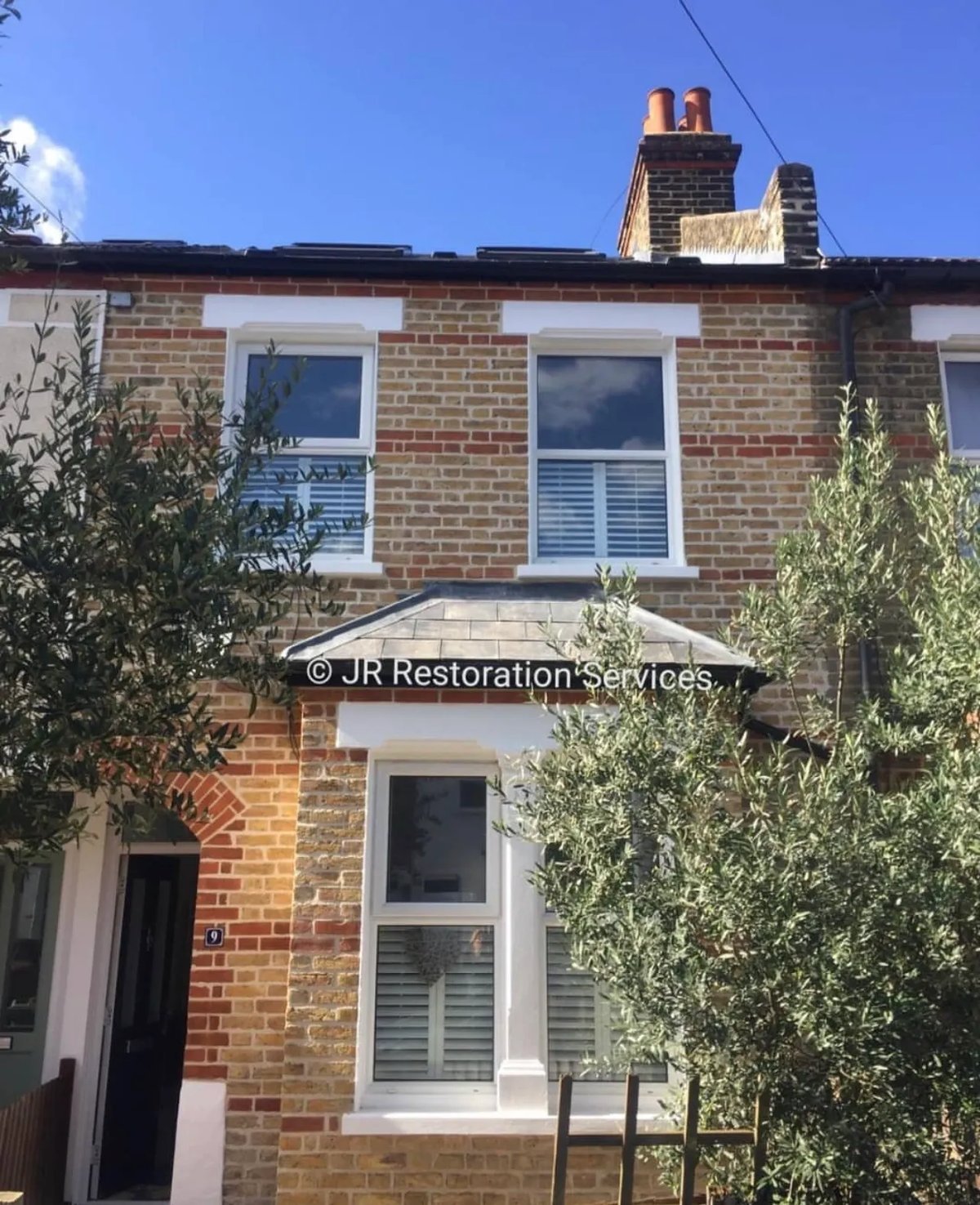
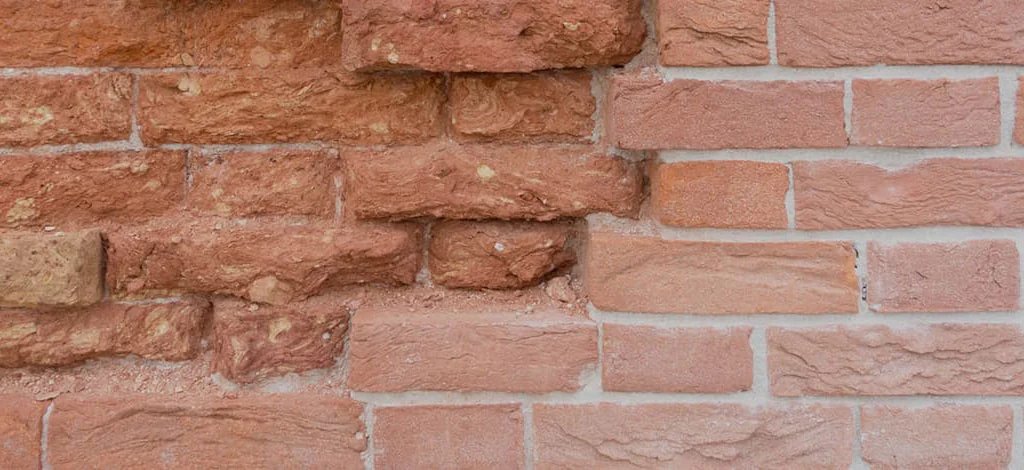
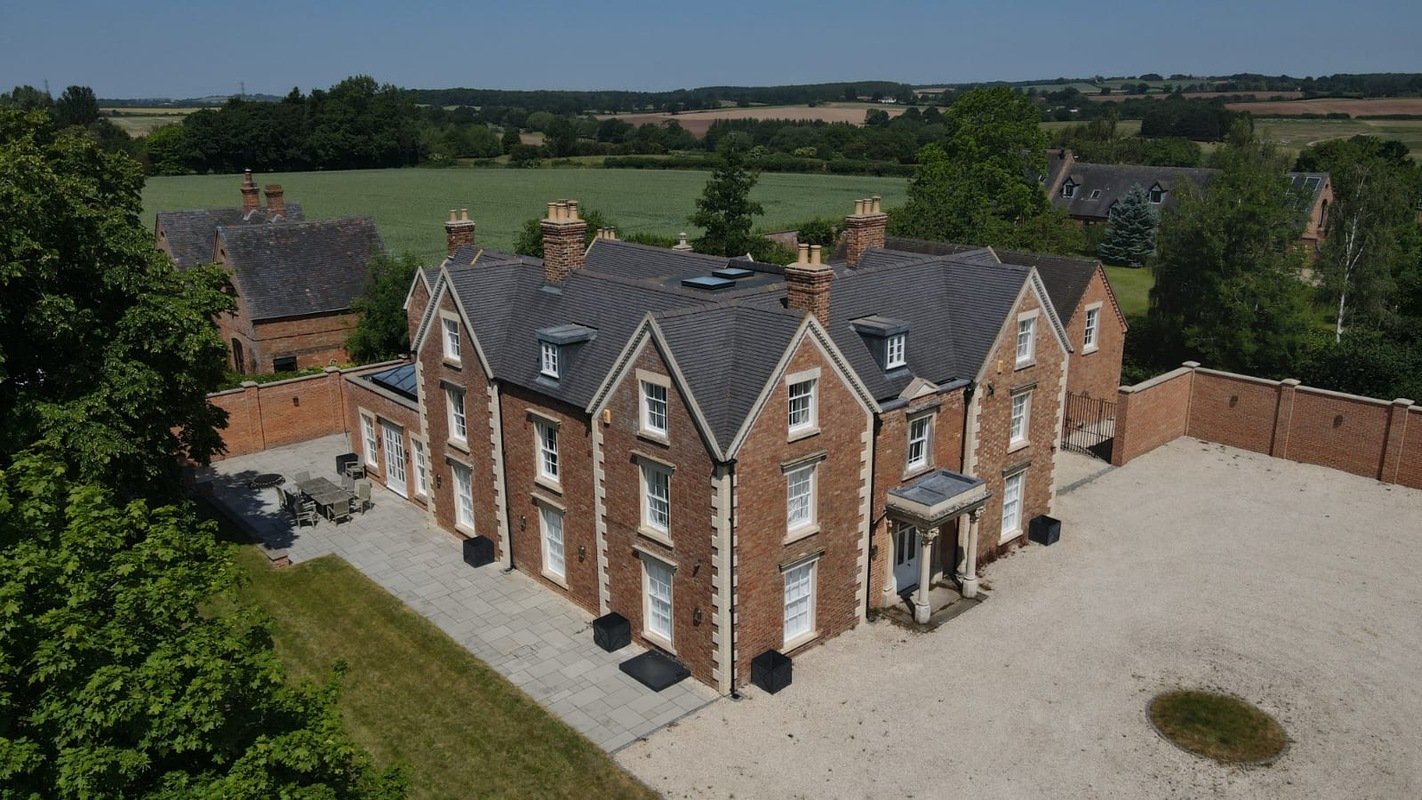
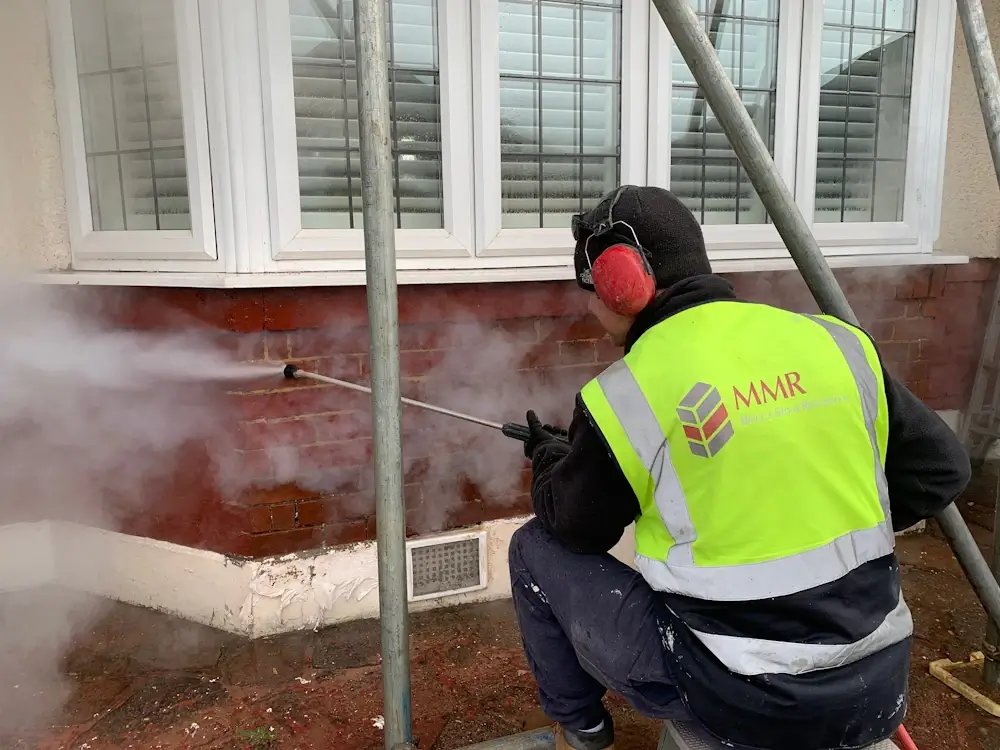
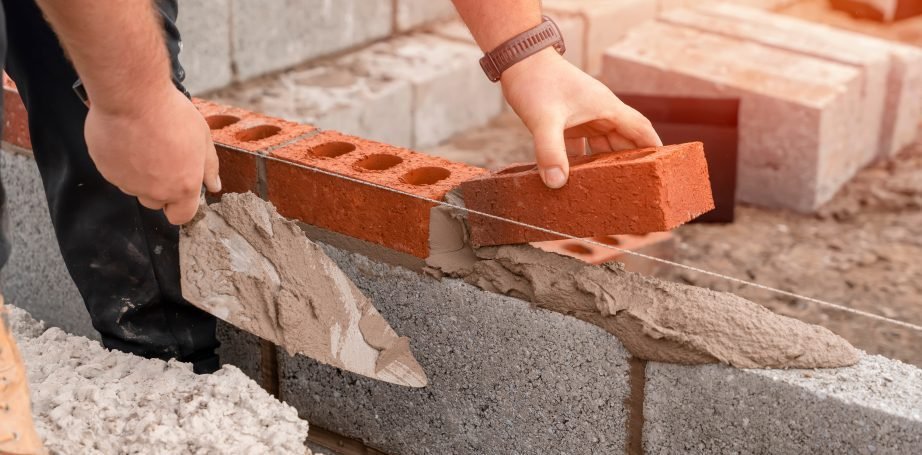
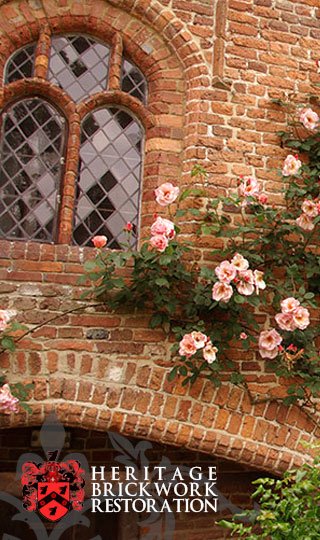
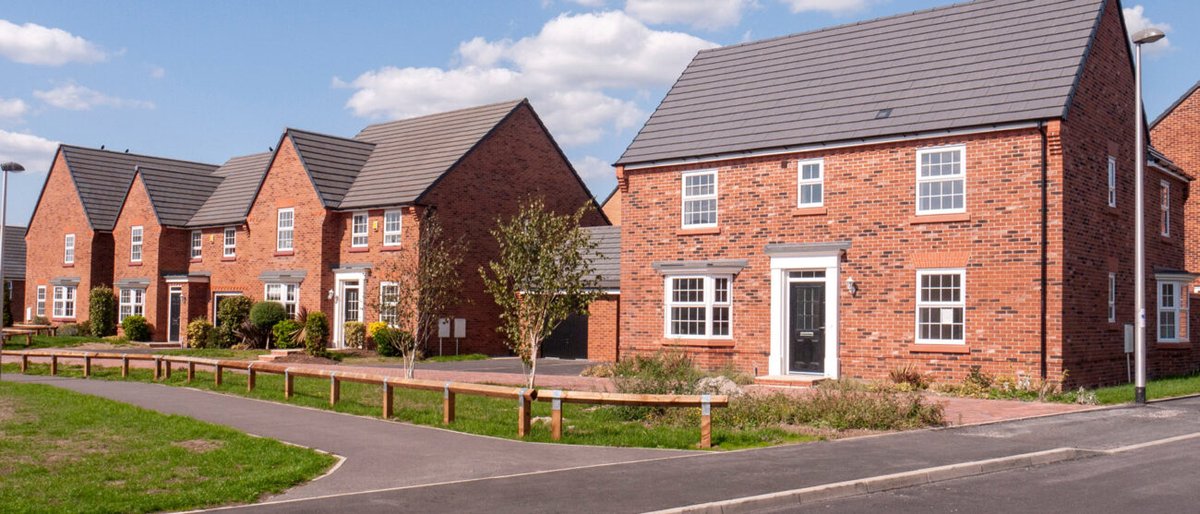
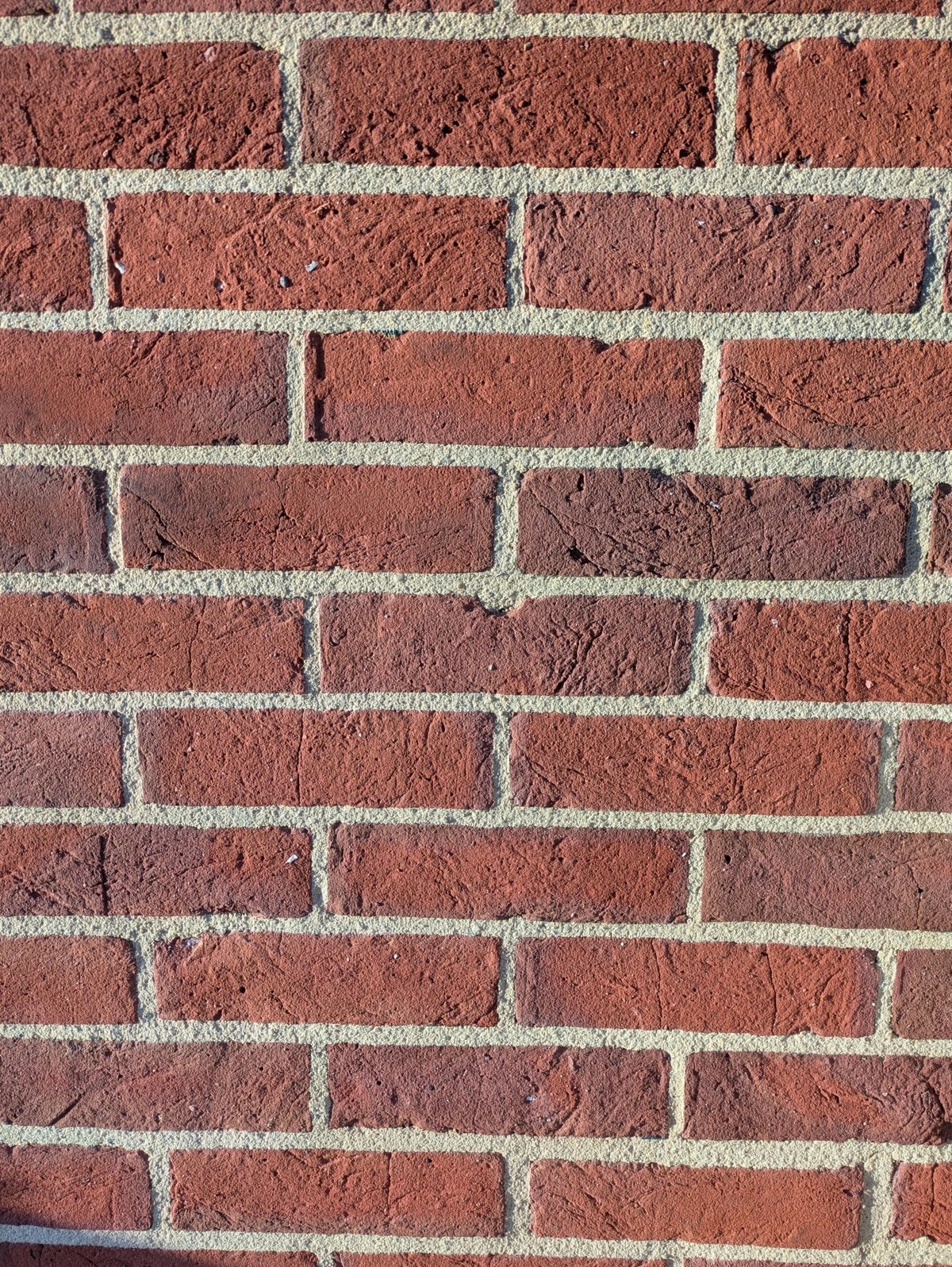
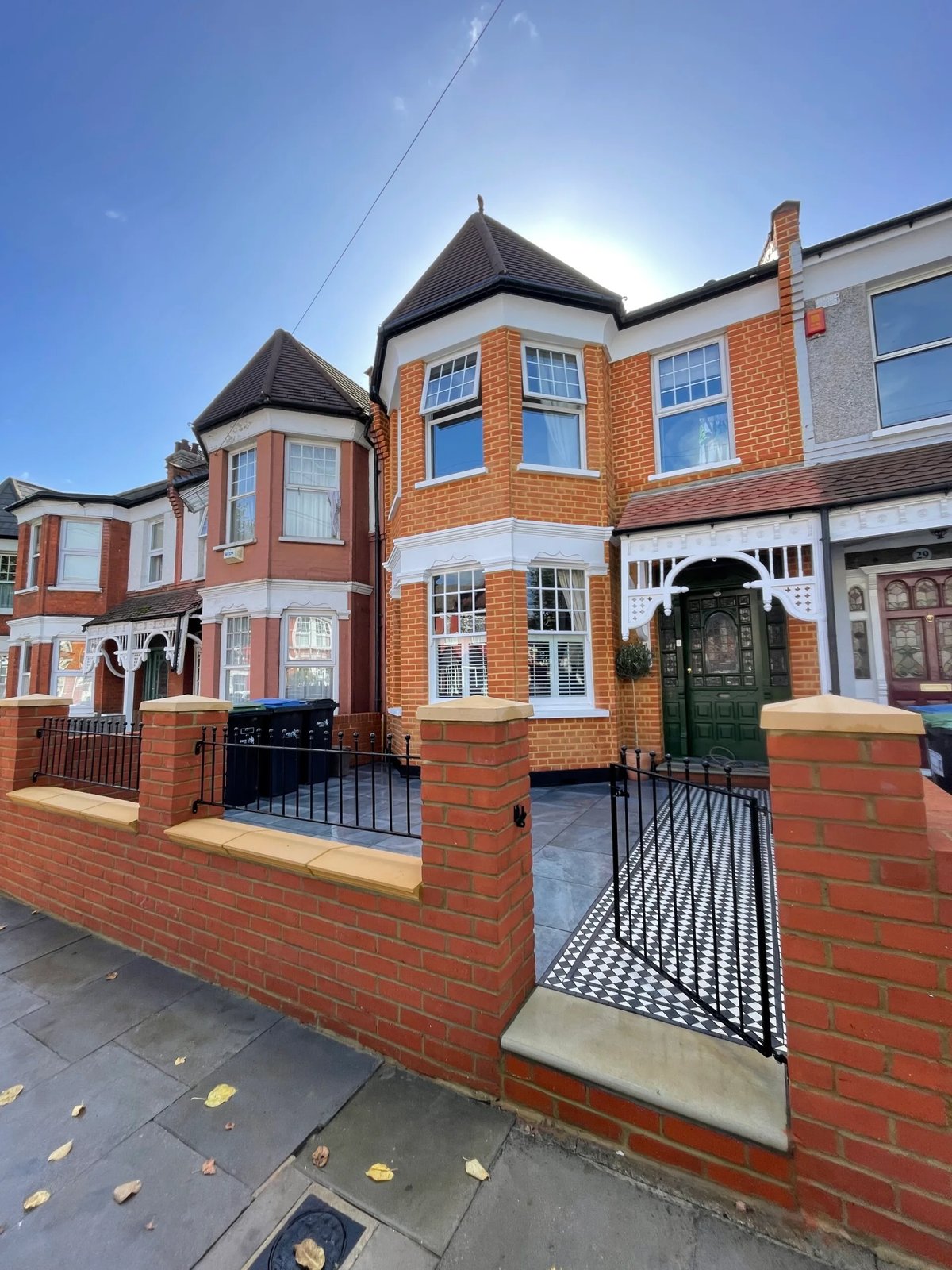
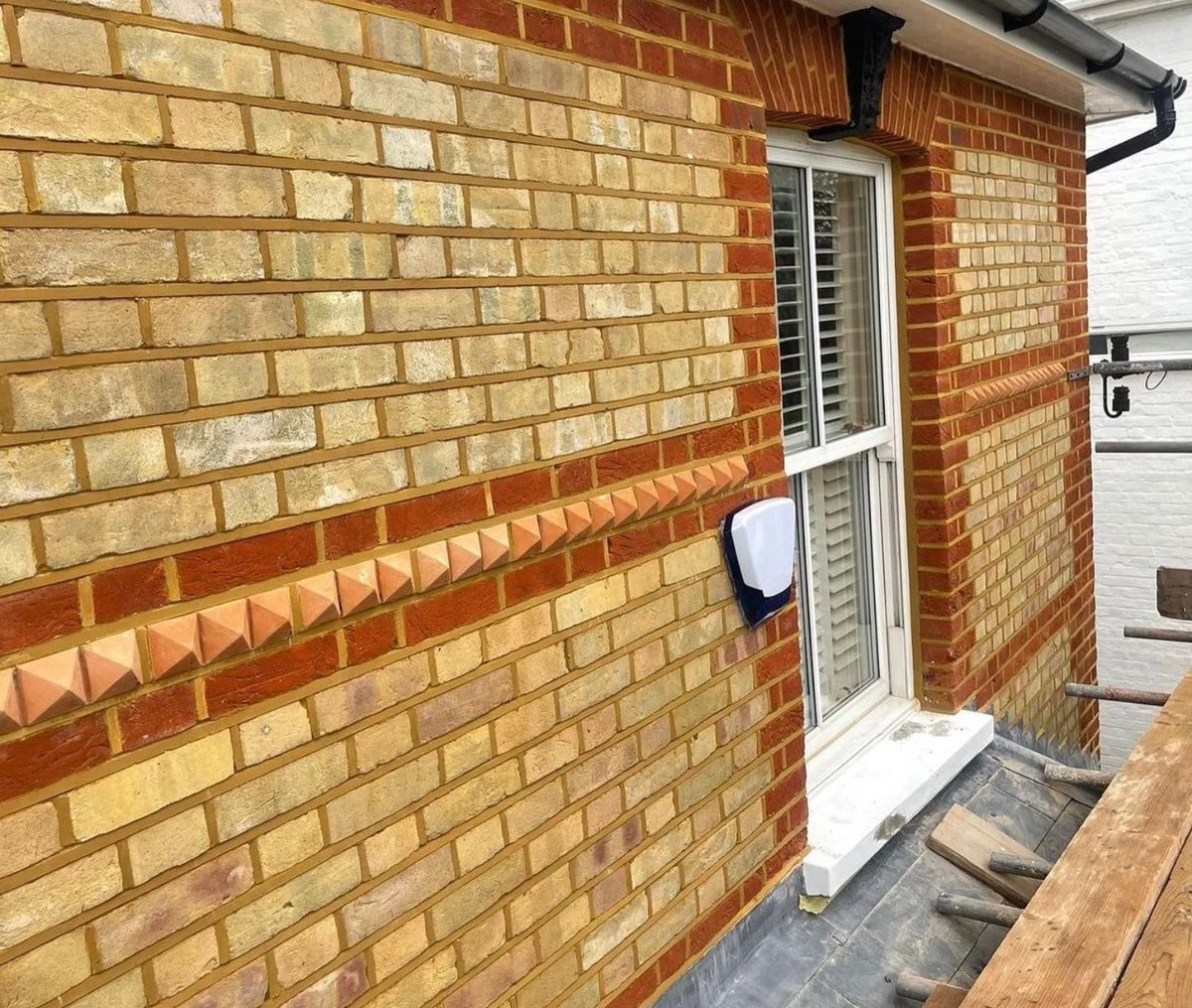
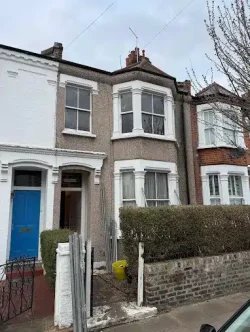
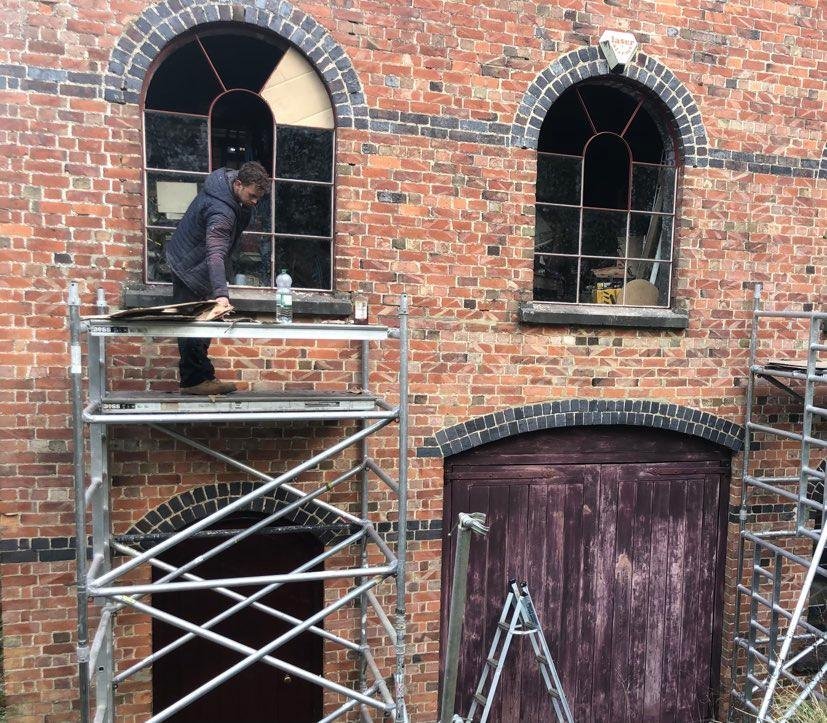
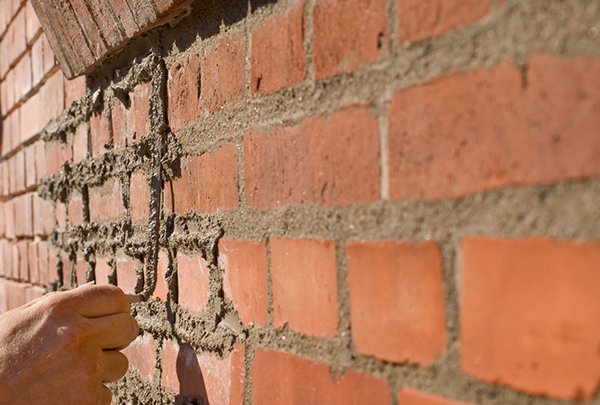
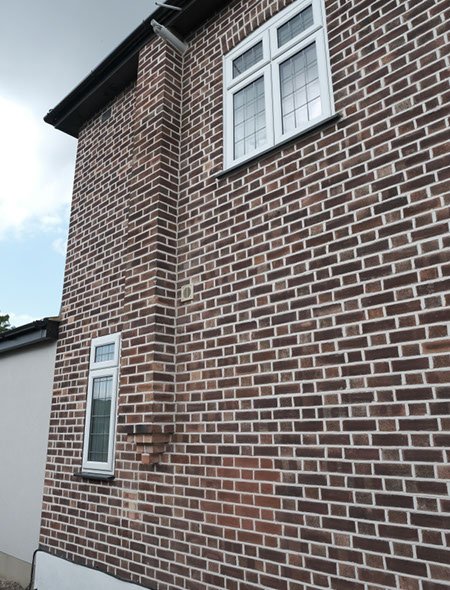
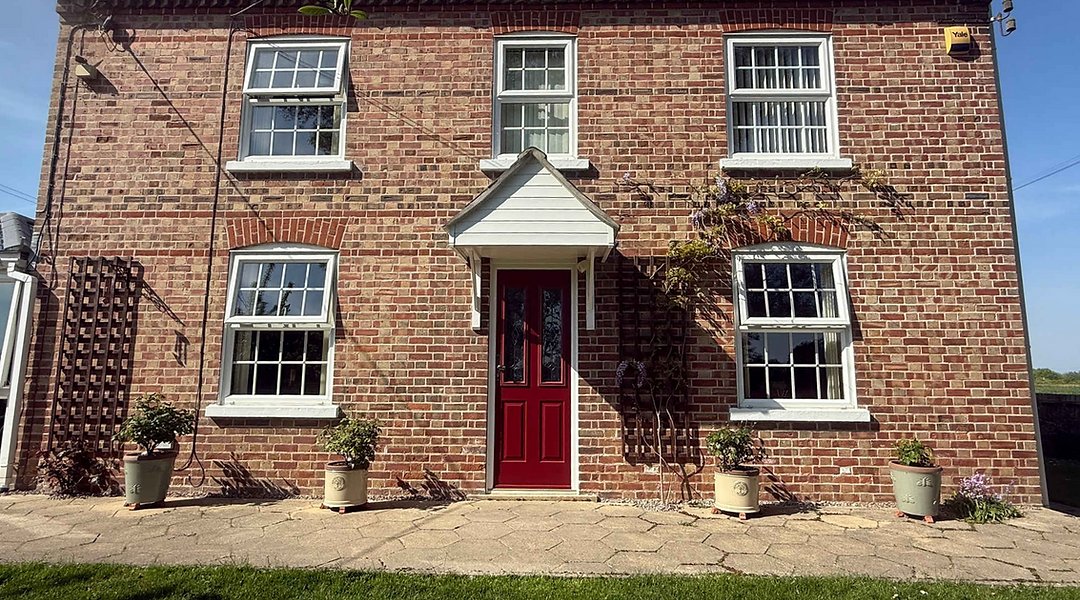
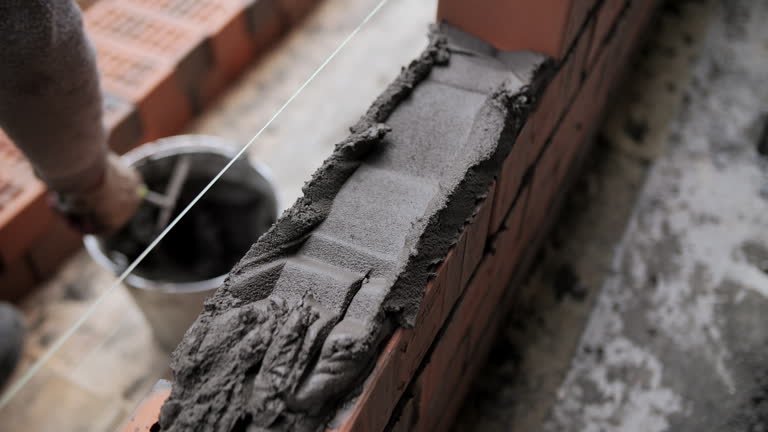
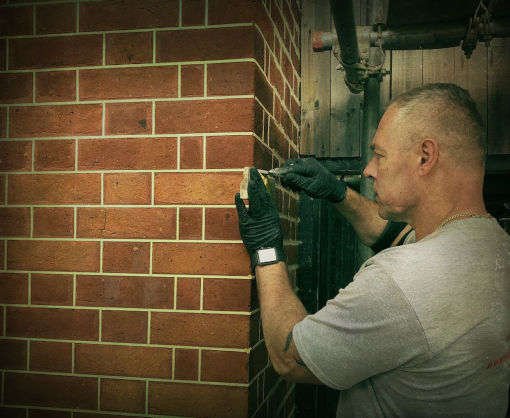
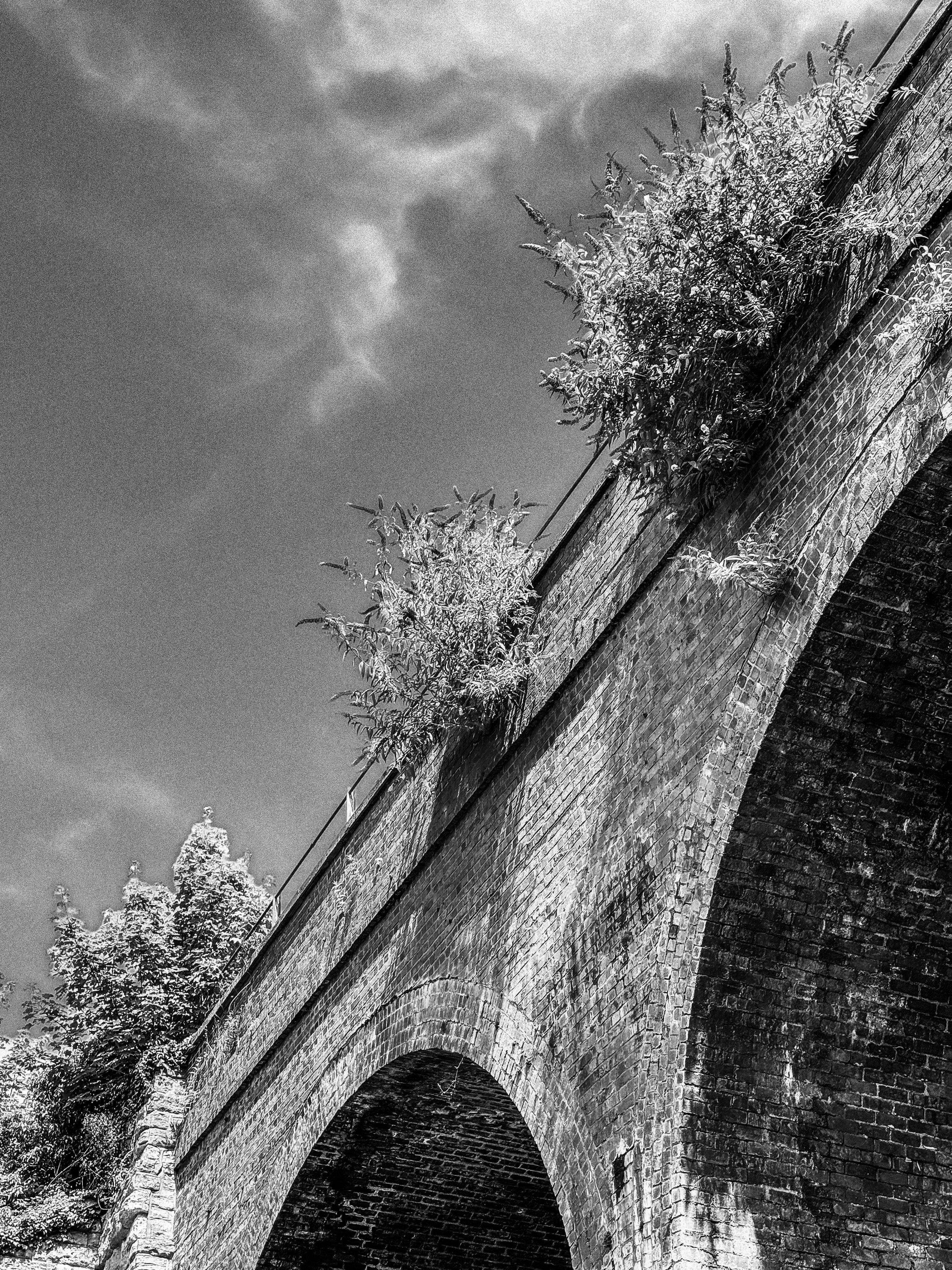
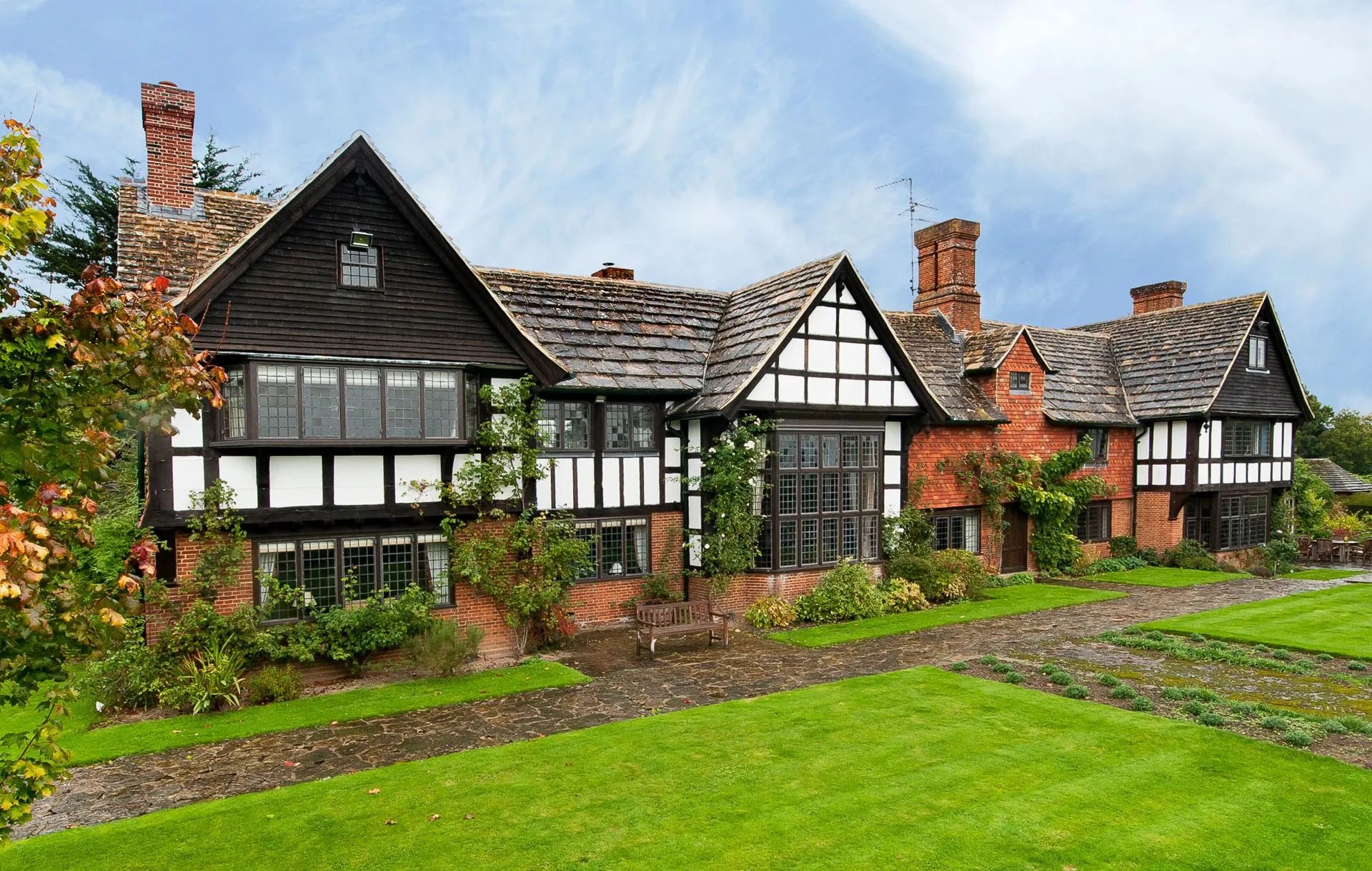
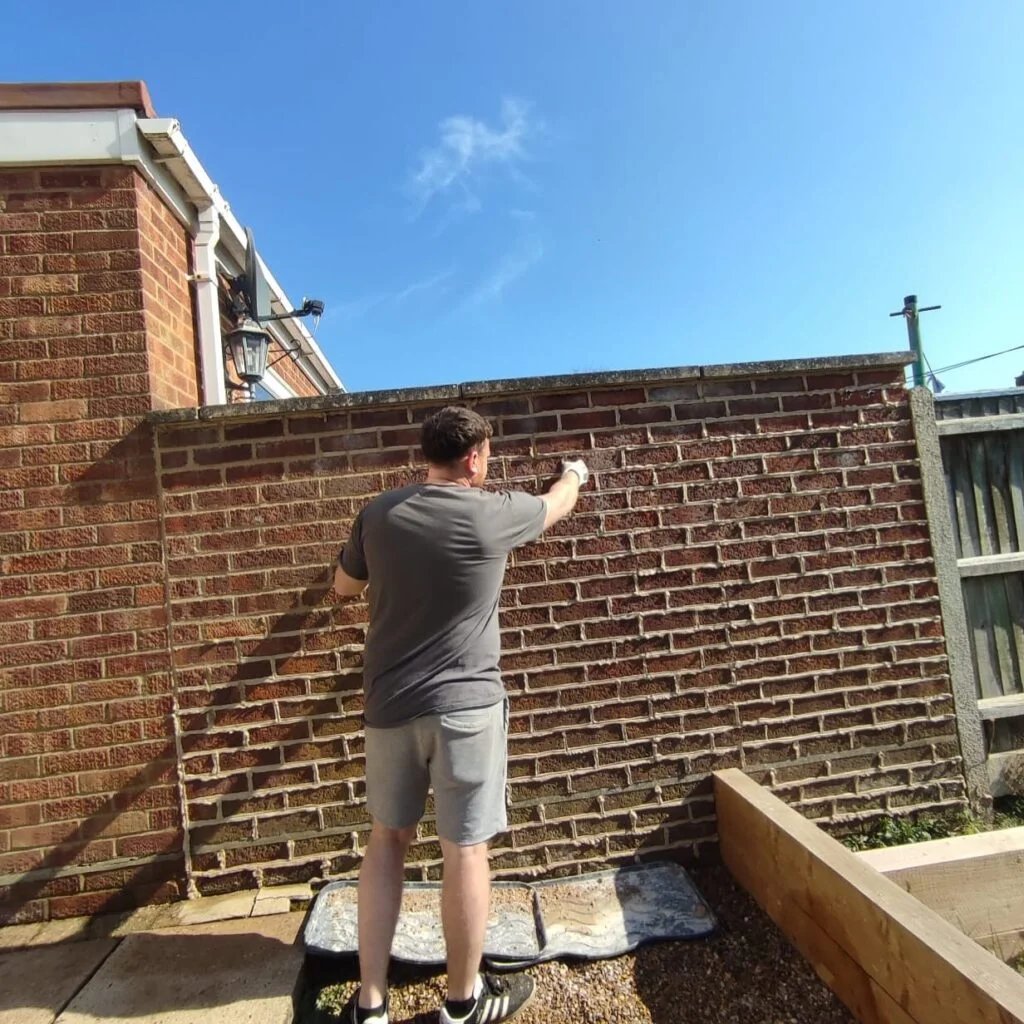
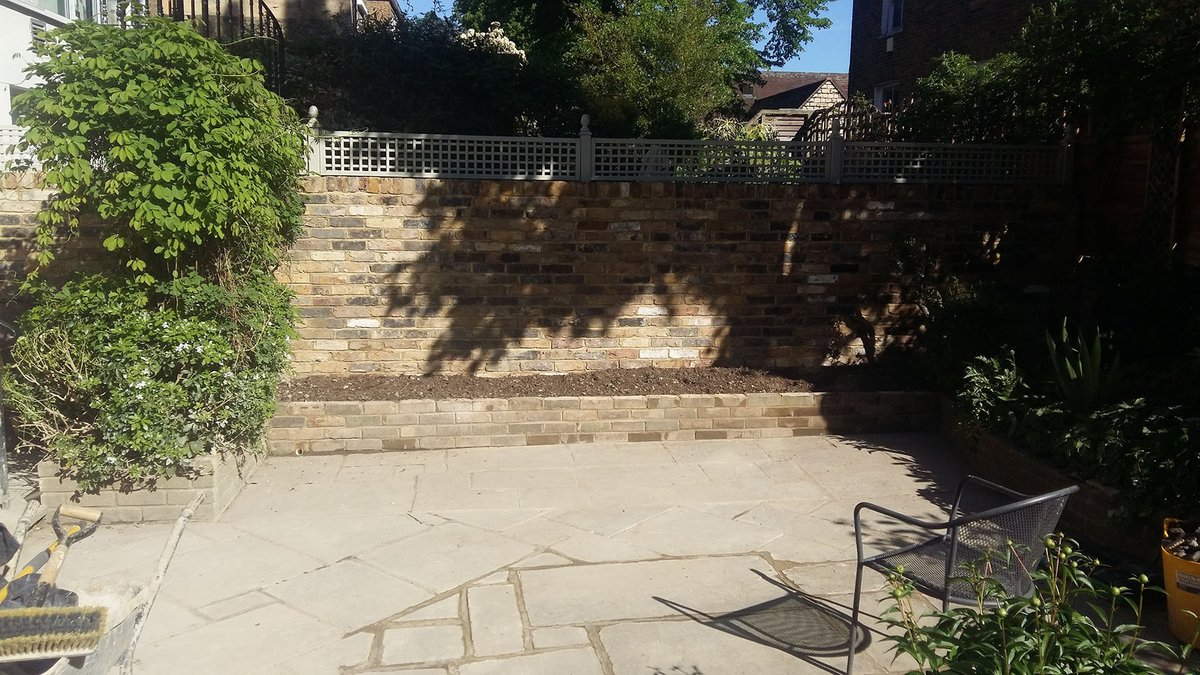
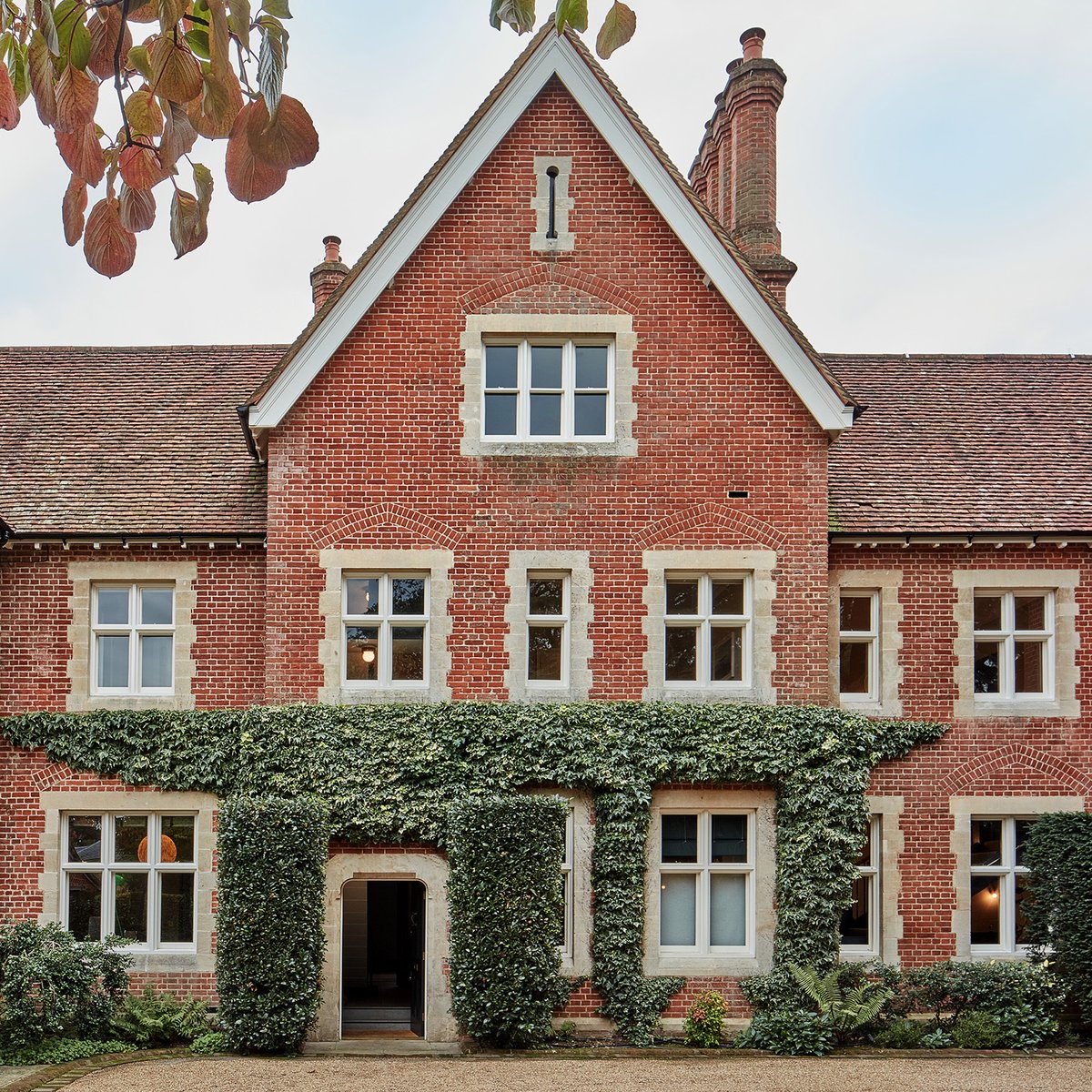
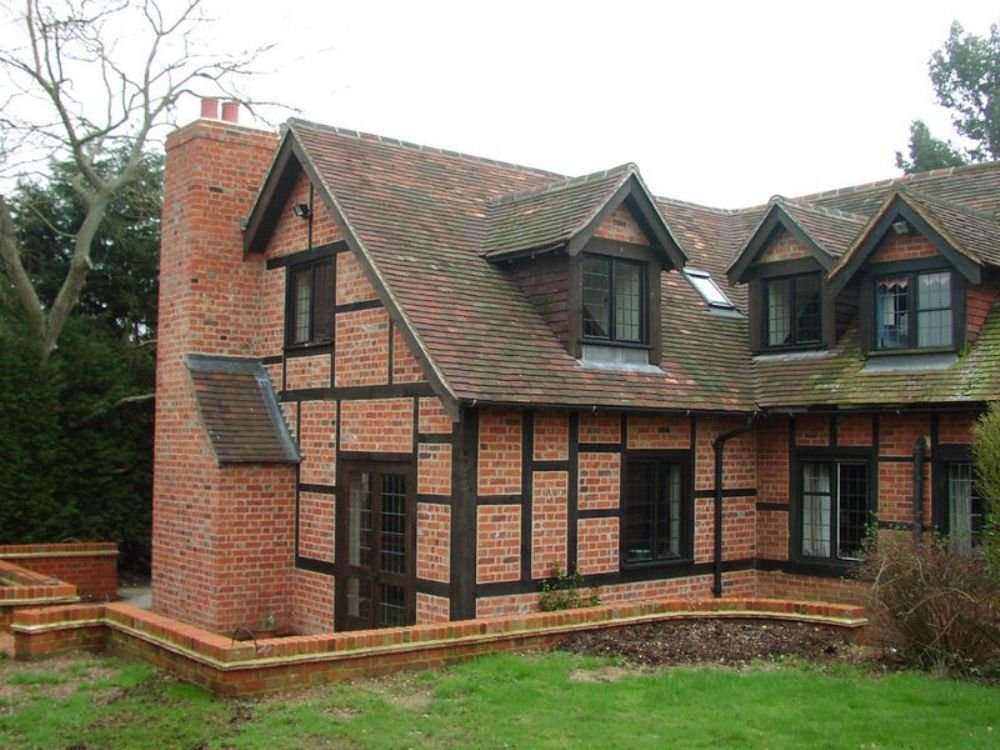
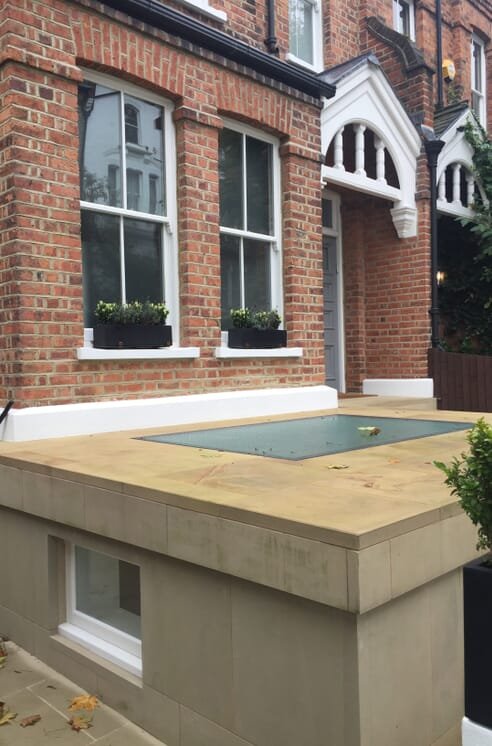
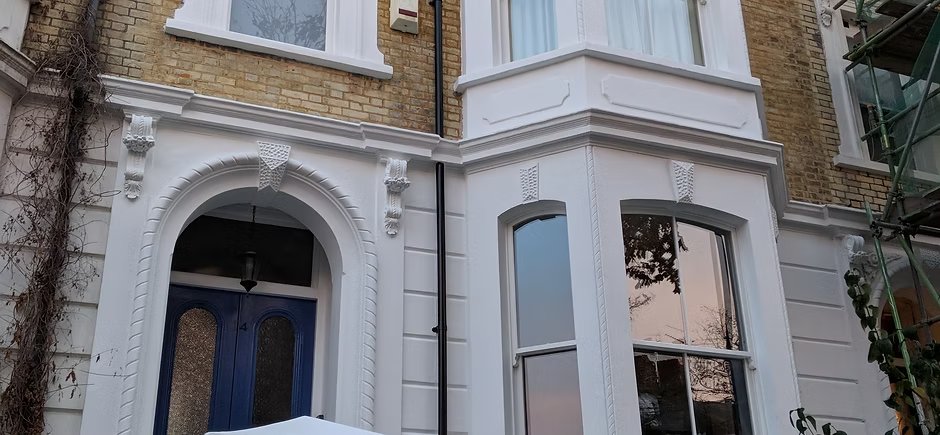
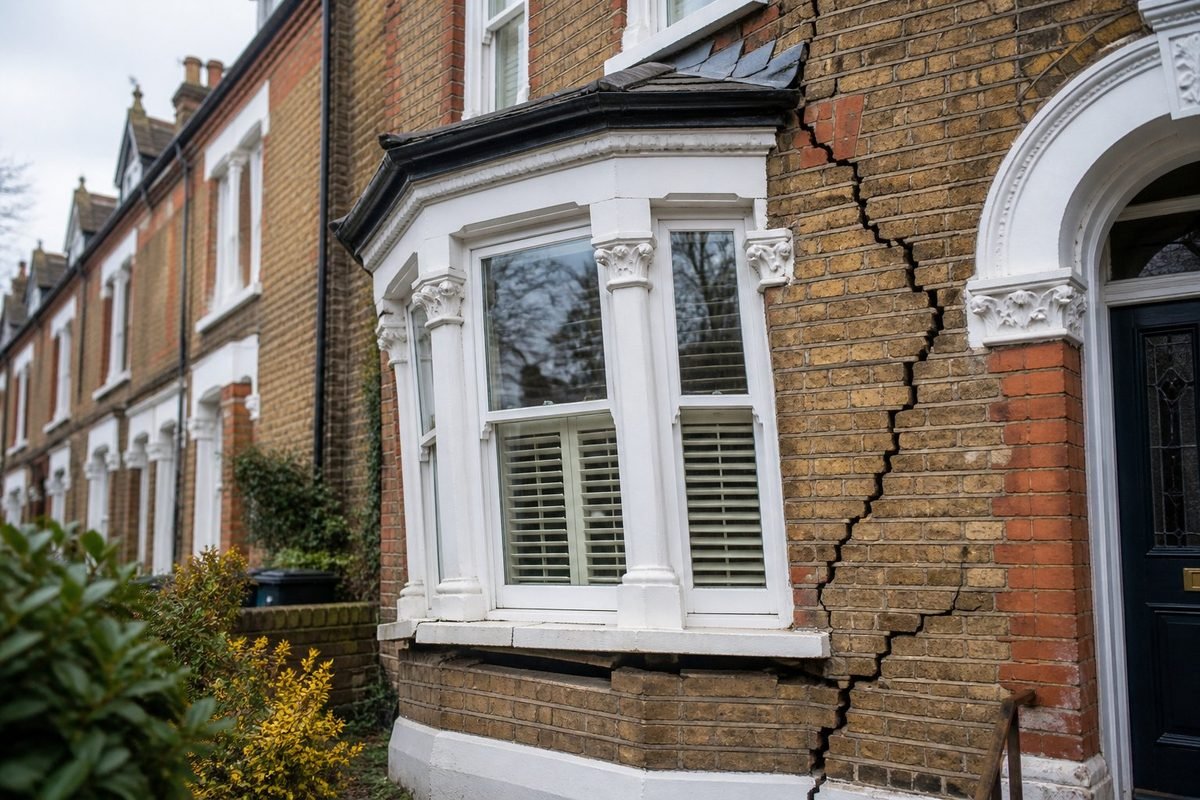
Historic brickwork often suffers from spalling (surface flaking), erosion, salt damage, or inappropriate repairs using hard cement mortar. Restoration may involve replacing individual damaged bricks with matching reclaimed or purpose-made units, rebuilding sections of wall, or treating the causes of decay such as damp or poor pointing. Matching existing bricks is crucial - factors including size, colour, texture, and the presence or absence of frogs all affect the appearance of repairs. Specialist suppliers can source reclaimed bricks or commission handmade bricks to match historic examples.
Tuck Pointing
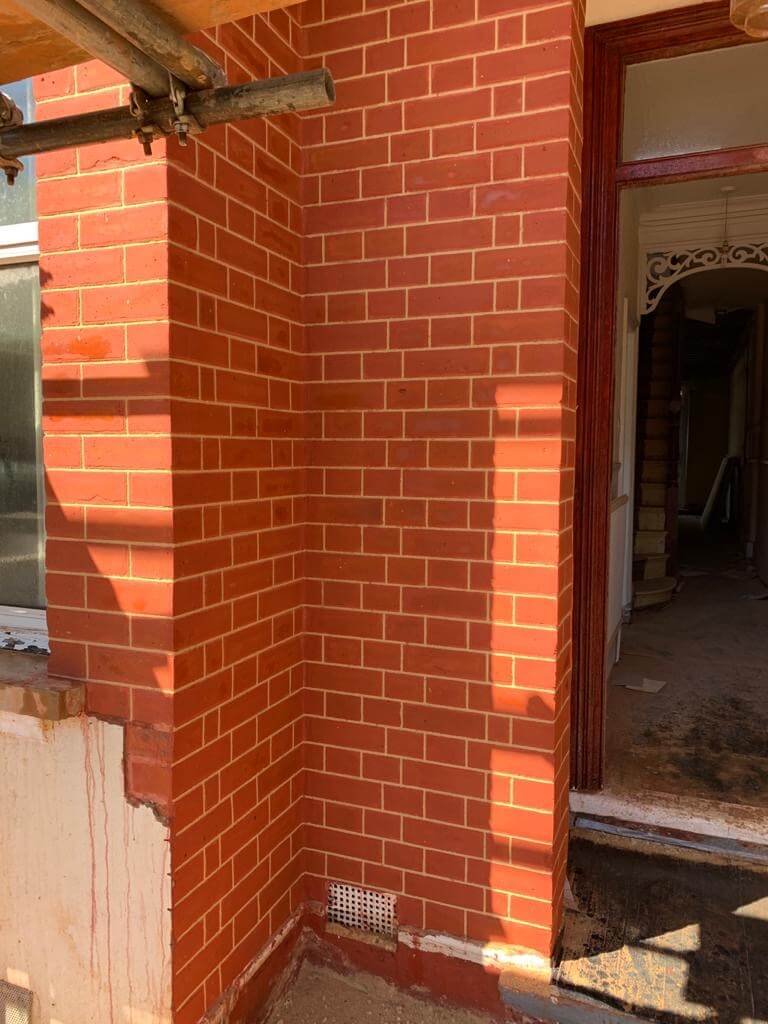
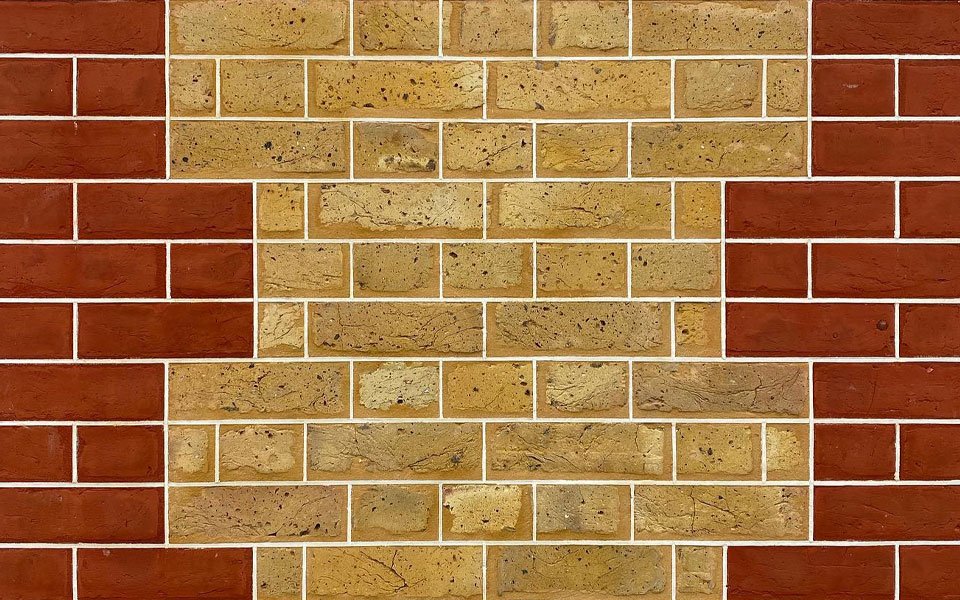
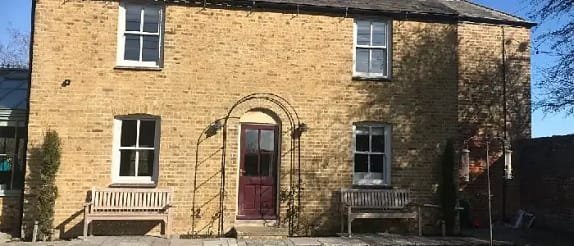
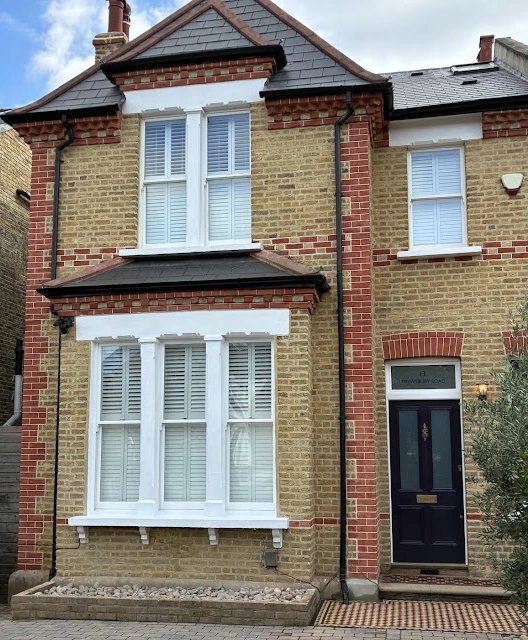
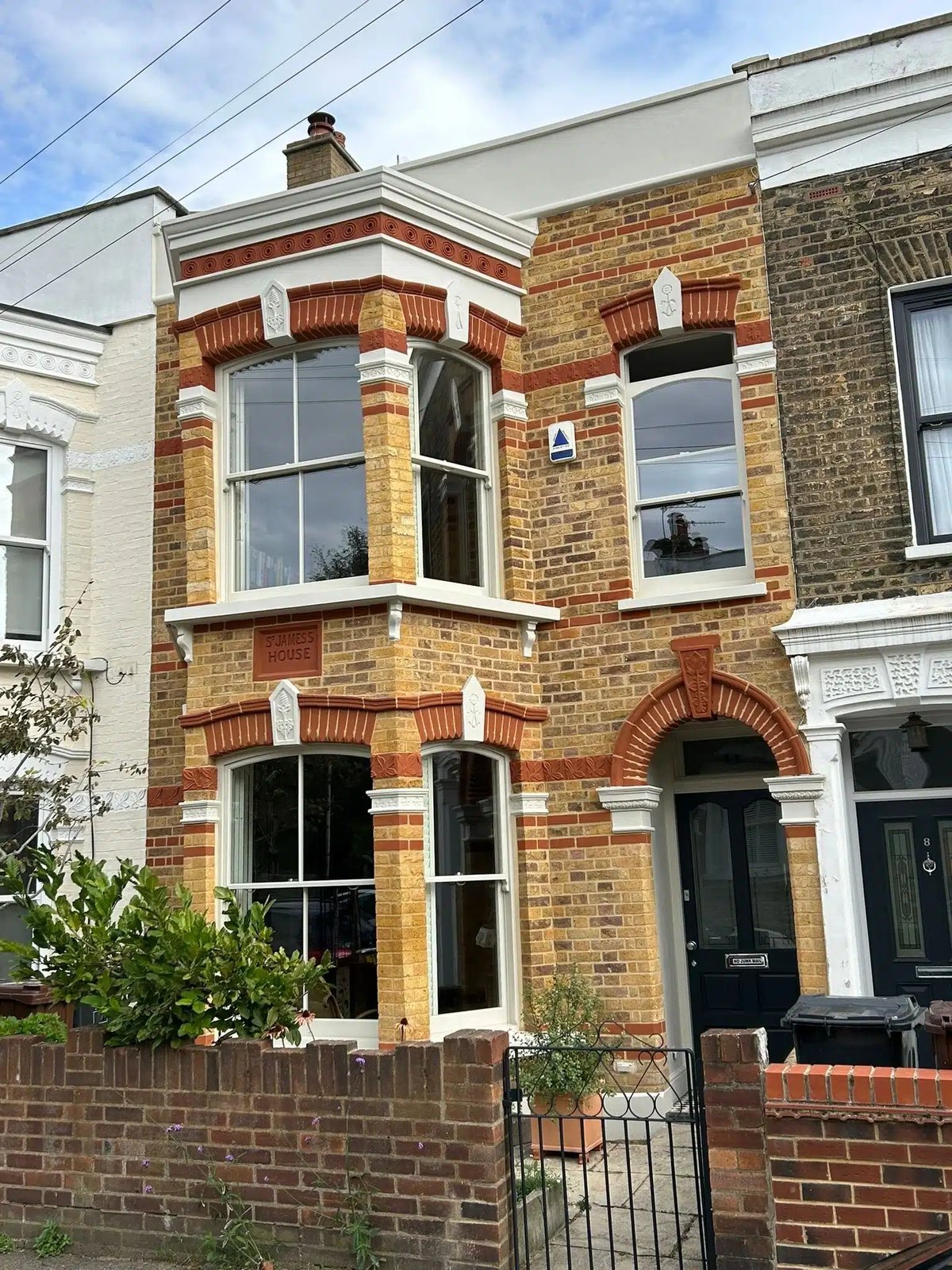
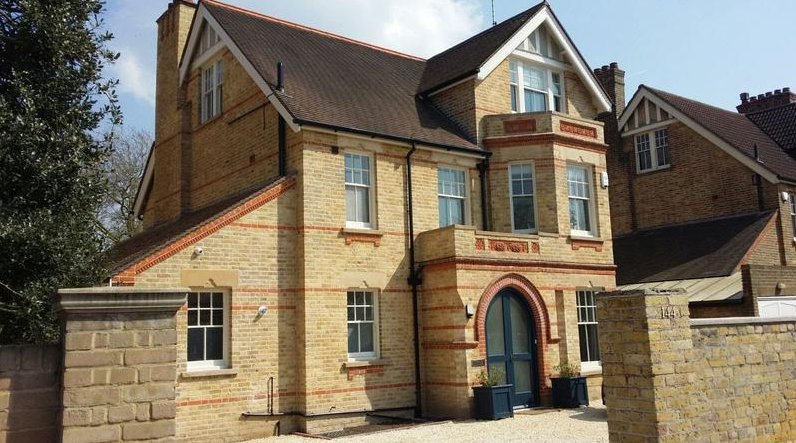
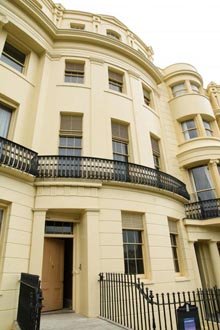
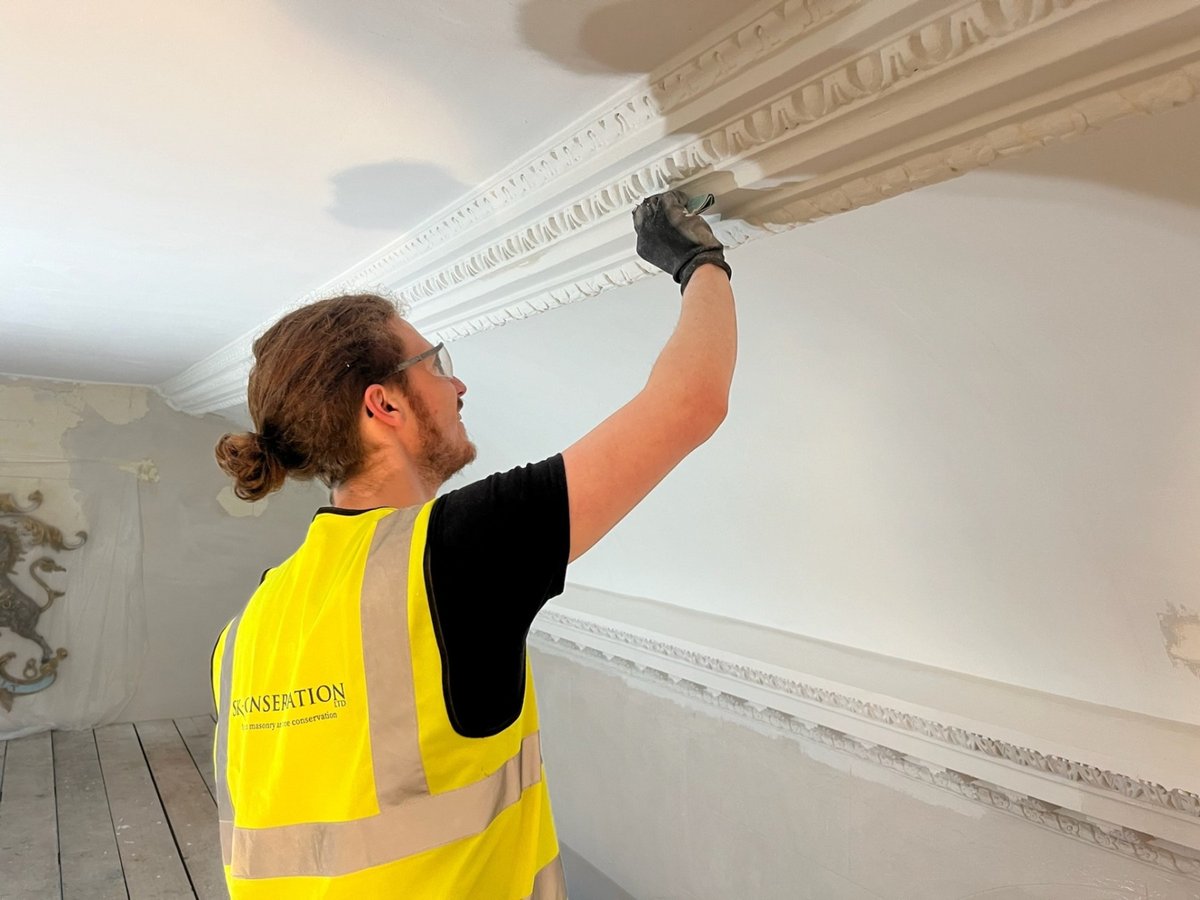
Tuck pointing is a decorative pointing technique developed in the 18th century to make rough brickwork appear as if built with finely jointed rubbed or gauged brickwork. The joints are filled with mortar coloured to match the brick, then a thin ribbon of white lime putty is applied along the centre of each joint. When done well, the effect is of incredibly precise brickwork with hairline joints. Restoring tuck pointing is highly specialised work requiring steady hands and understanding of lime putty behaviour. It's an expensive finish but essential for maintaining the character of high-status Georgian and Regency buildings.
Chimney Restoration
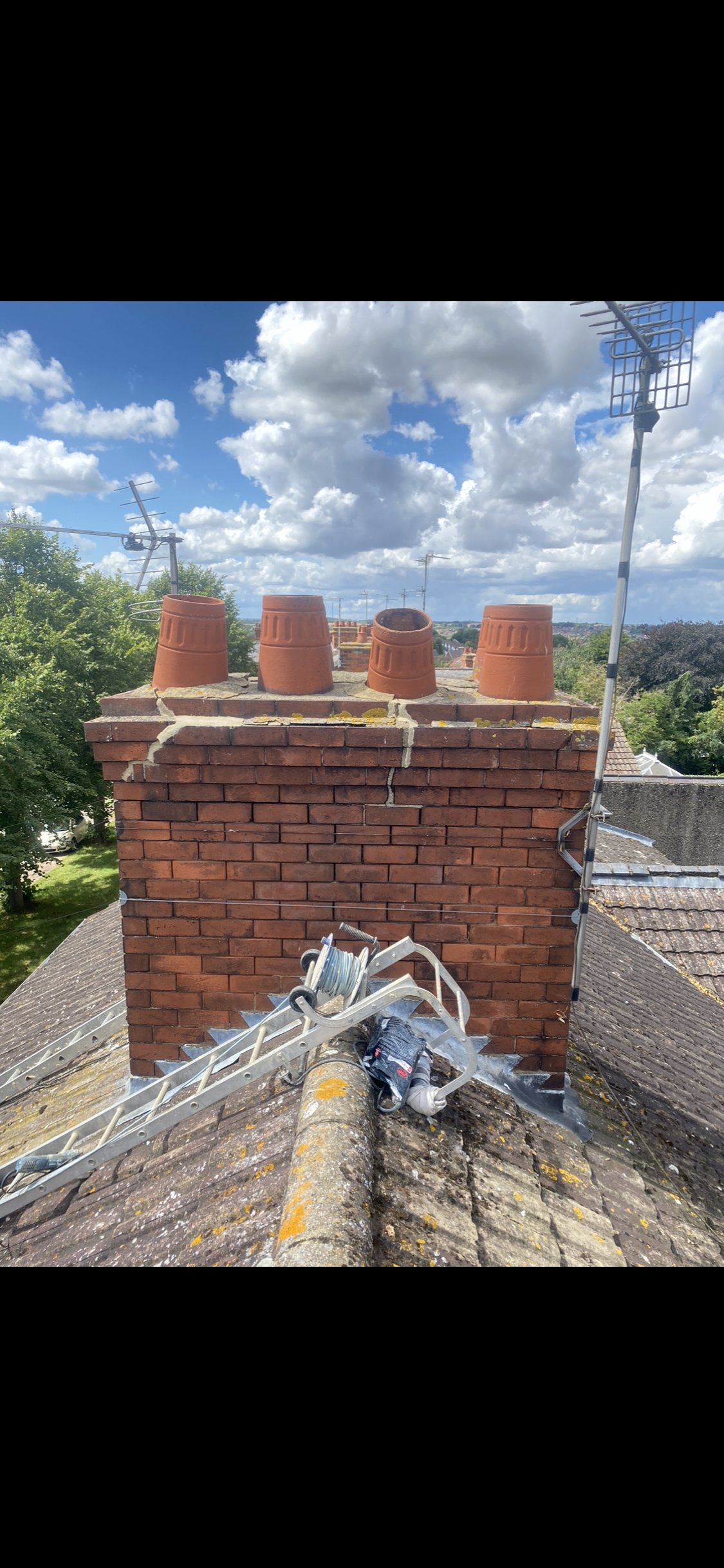
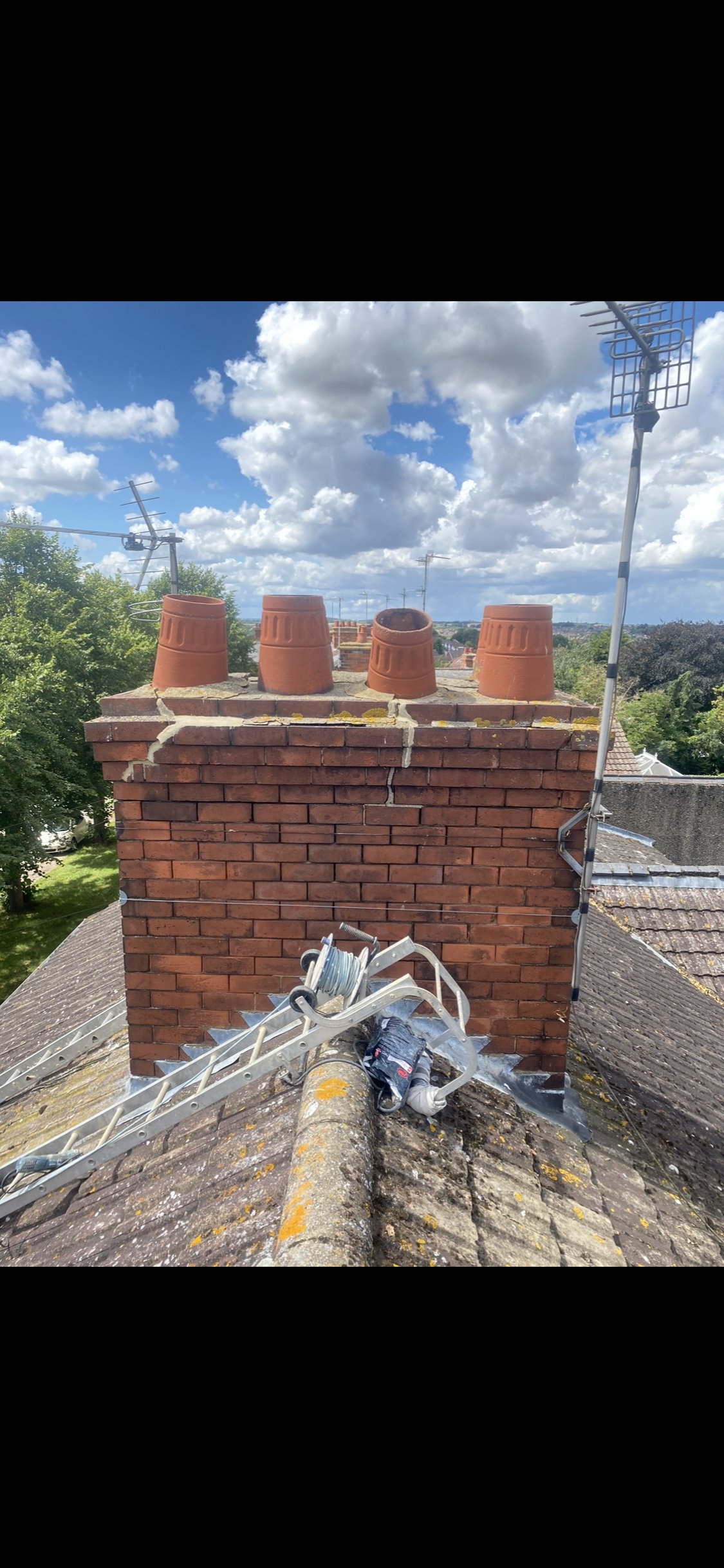
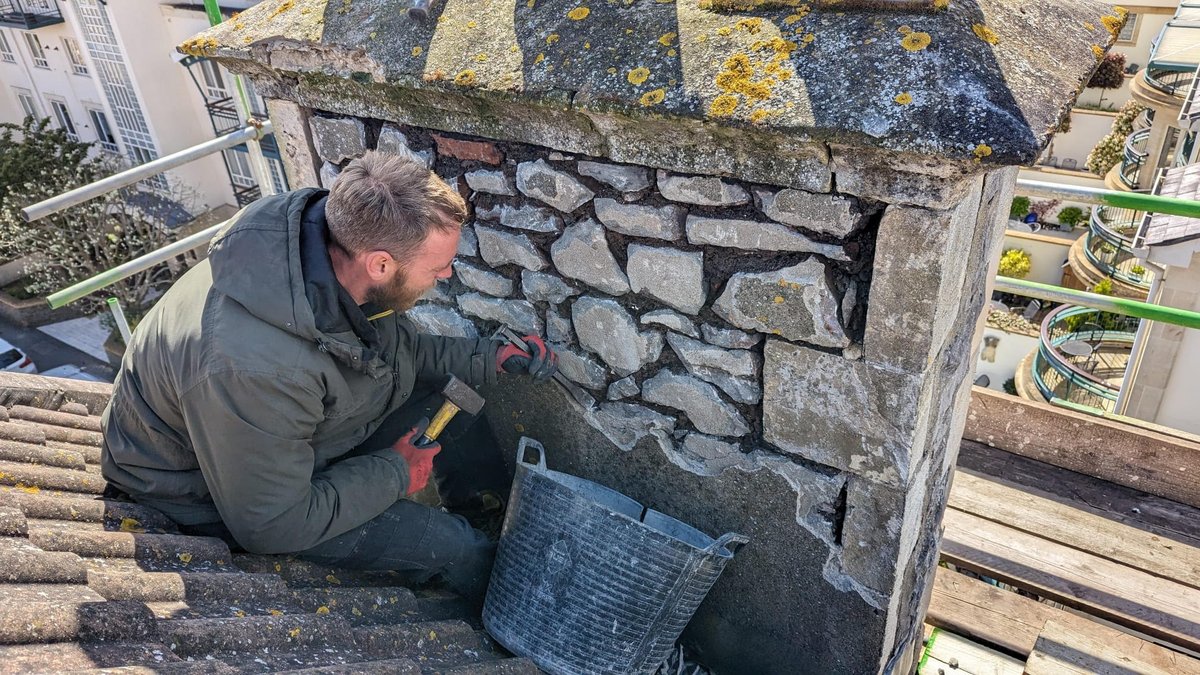
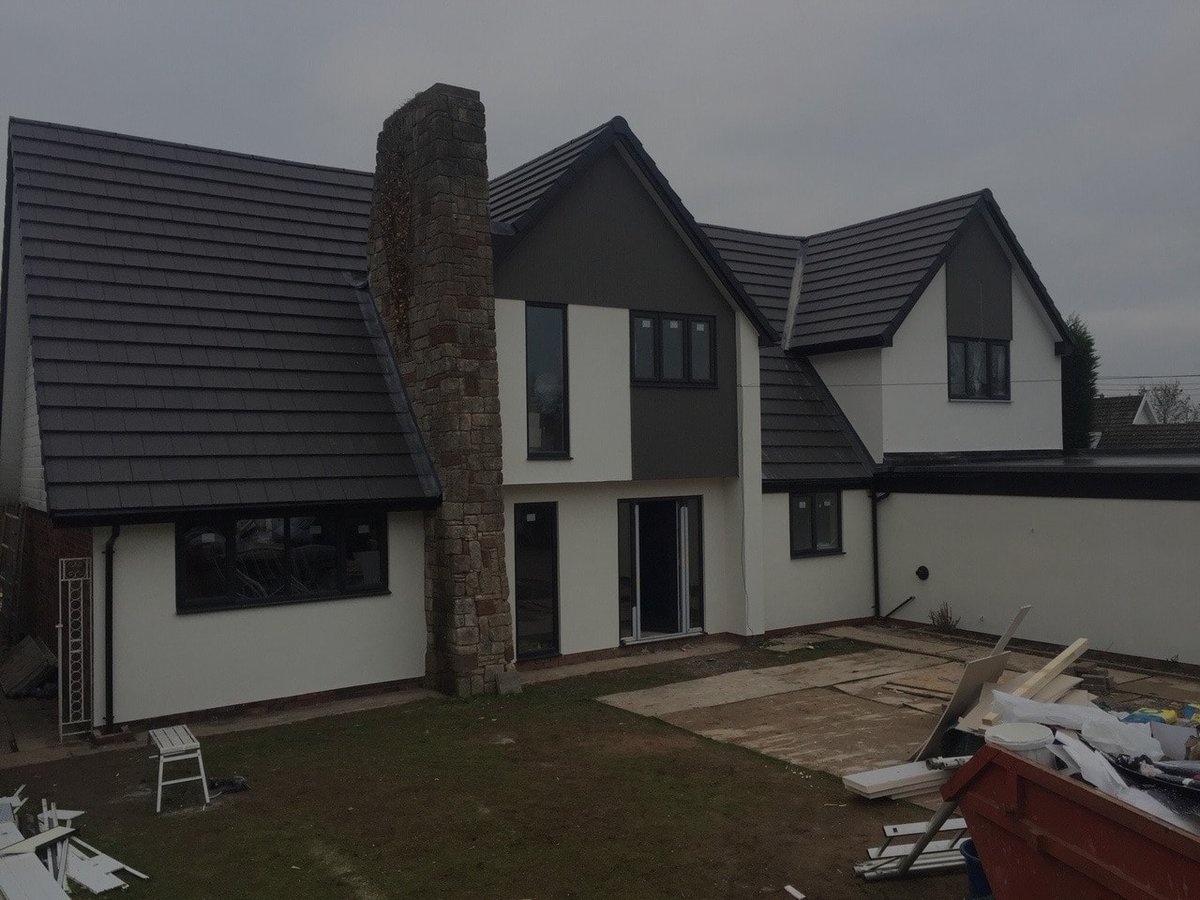
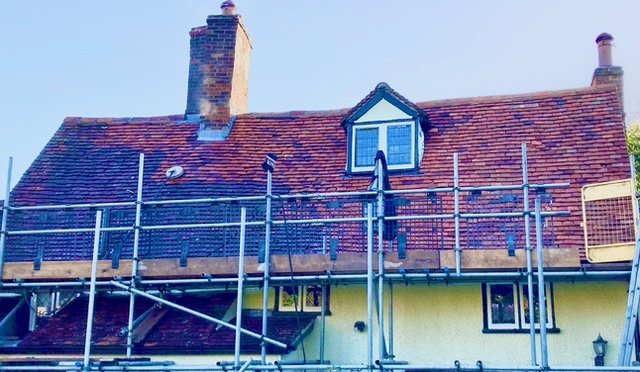
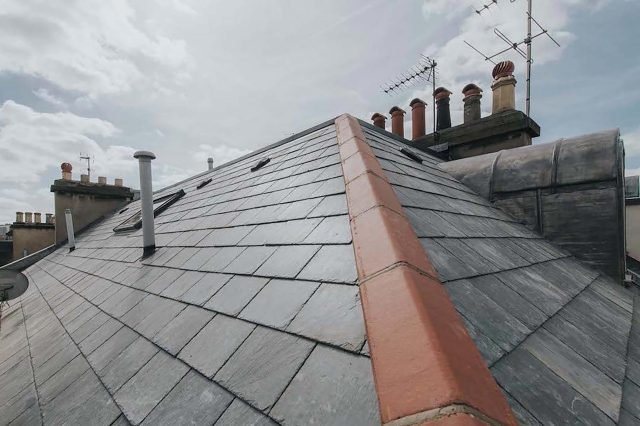
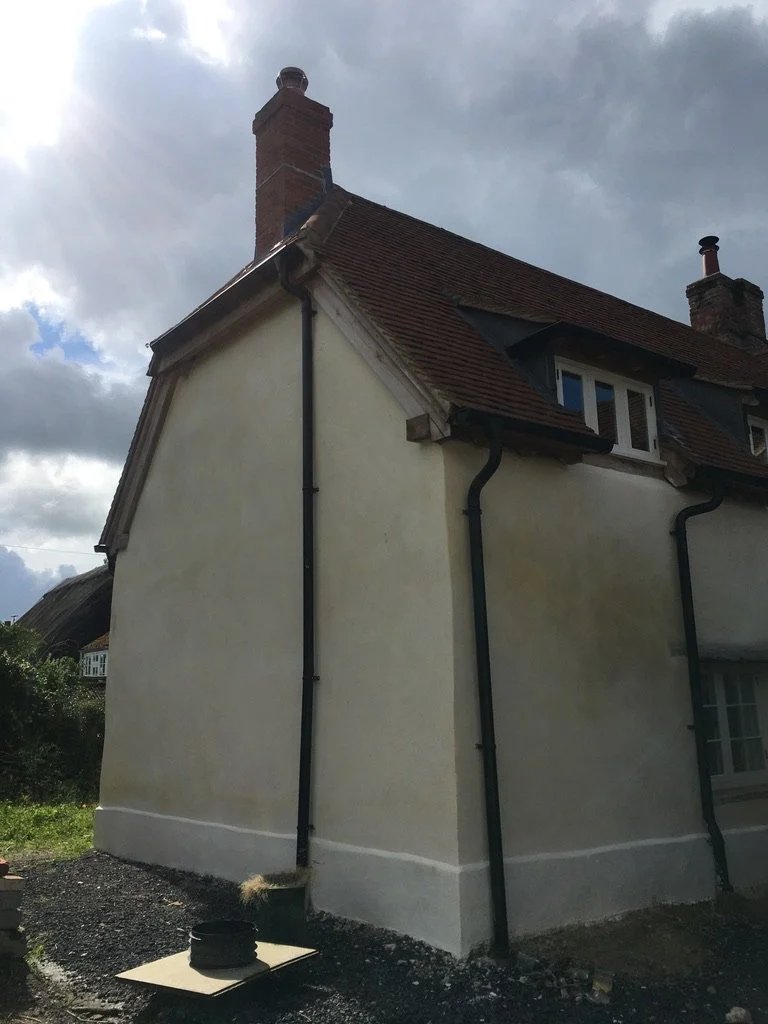
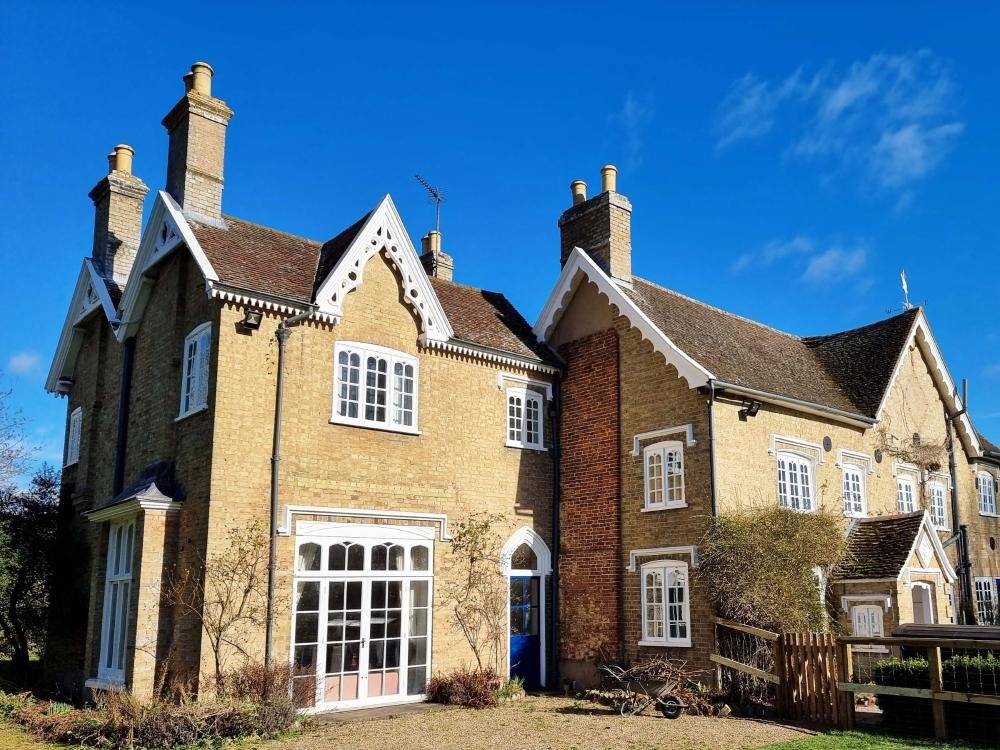
Chimneys are among the most exposed parts of any building, subject to wind, rain, frost, and the thermal stresses of heating and cooling. Period chimney stacks often feature decorative details including corbelling, string courses, and ornamental pots. Restoration typically involves rebuilding unstable sections, replacing eroded mortar joints, fitting or replacing flaunching around pots, and installing appropriate flashings. Where chimneys serve working fireplaces, internal lining may also be required to meet building regulations. The goal is to maintain the chimney's original appearance while ensuring it's structurally sound and weathertight.
Fireplace Restoration
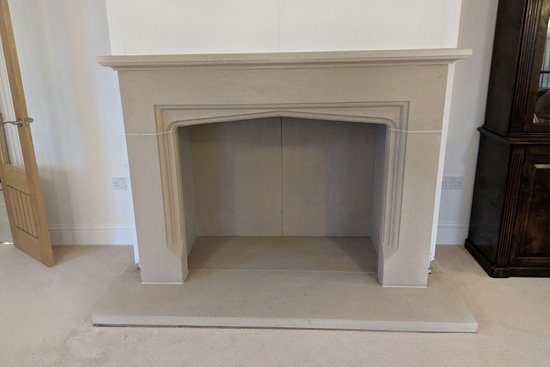
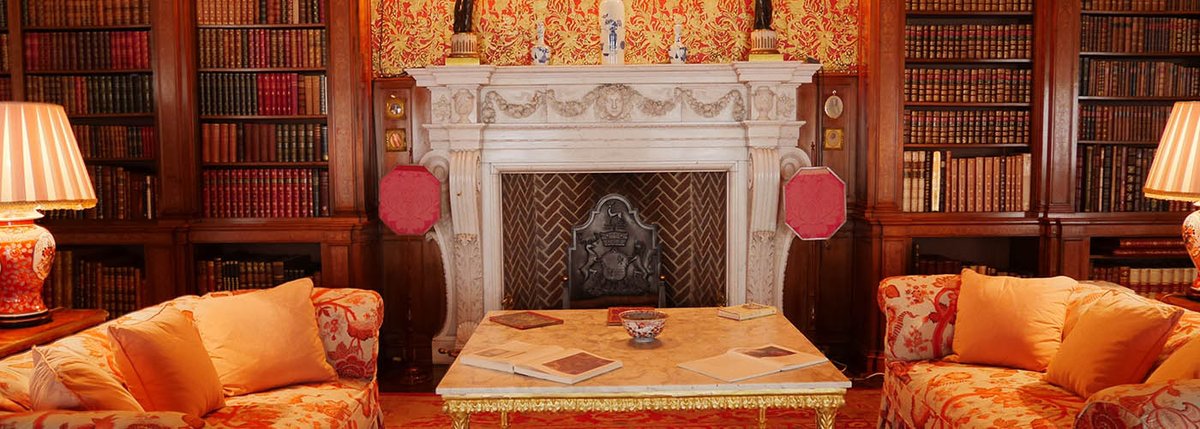
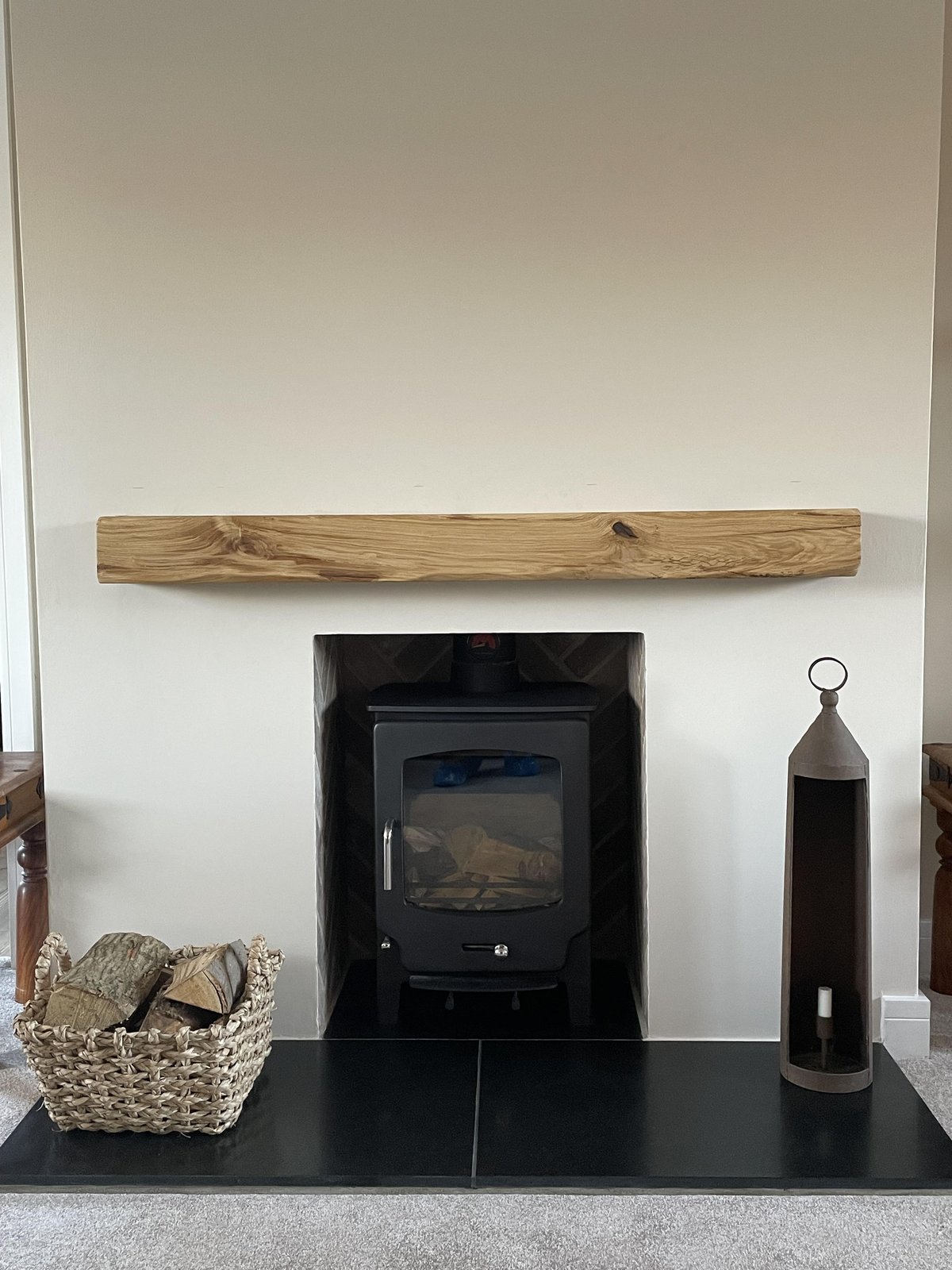
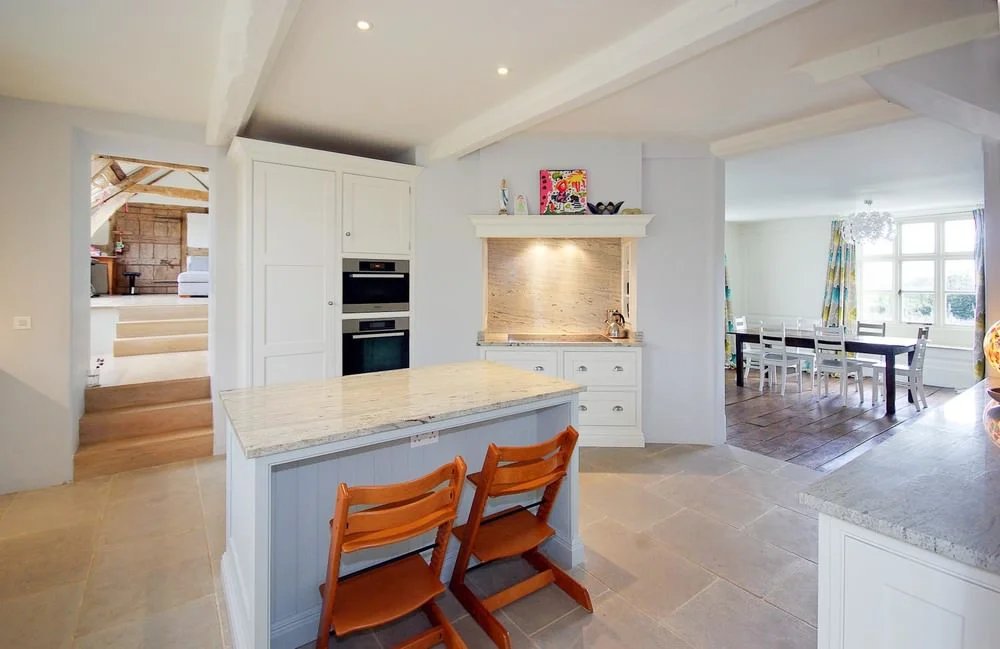
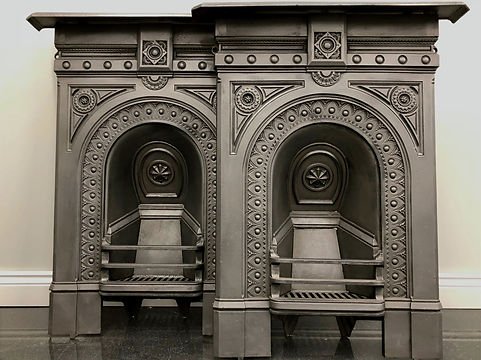
Historic fireplaces range from simple brick surrounds to elaborate marble chimneypieces, and restoring them to working condition requires understanding of both the decorative elements and the functional requirements of safe fire operation. Work might include repairing or replacing damaged stone, marble, or timber surrounds, rebuilding firebacks and hearths, installing appropriate linings, and ensuring adequate ventilation. Many blocked fireplaces can be reopened, though building regulations apply to any installation serving a working fire. The decorative elements - tiles, cast iron inserts, grates, and mantels - may require specialist restoration in their own right.
Why Use a Heritage Masonry Specialist?
Period masonry requires understanding of traditional building techniques and materials that most modern builders never encounter. Using the wrong materials or methods can cause serious damage to historic fabric.
- Knowledge of lime mortars and their compatibility with historic masonry
- Ability to source or specify matching stone and brick
- Understanding of traditional bonding patterns and joint treatments
- Experience with conservation-grade repairs for listed buildings
- Skills in decorative techniques like tuck pointing and carved stone
Typical Costs for Masonry Work
Heritage masonry is skilled work requiring time, expertise, and often expensive materials. The following ranges are indicative only.
| Service | Typical Cost |
|---|---|
| Stone repairs - indent work (per stone) | £200 - £800 |
| Tuck pointing (per m²) | £150 - £300 |
| Brick repointing - lime mortar (per m²) | £80 - £150 |
| Chimney rebuild (partial) | £1,500 - £4,000 |
| Fireplace restoration | £500 - £3,000+ |
Masonry work is highly variable in cost. Access requirements, material sourcing, and project complexity all affect pricing significantly.
Frequently Asked Questions
Common questions about masonry & brickwork services for period properties
Why is my brick wall crumbling?
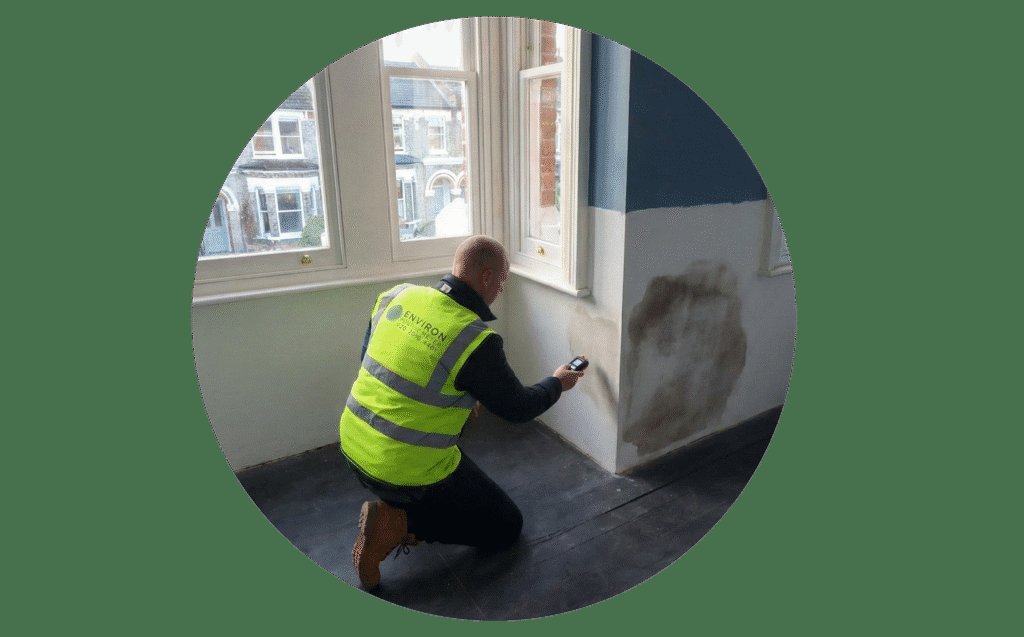
The most common cause of brick decay in period buildings is cement pointing. Cement is harder than historic brick and prevents moisture from escaping through the joints. Water becomes trapped in the brick, causing frost damage (spalling) and salt crystallisation. The solution is to carefully remove the cement and repoint with soft lime mortar. Other causes include rising damp, defective gutters, or incompatible renders.
Can damaged stonework be repaired rather than replaced?
Often, yes. Minor erosion can be consolidated with appropriate treatments. Small areas of damage can be filled with lime-based mortars coloured to match the stone. Larger repairs may use 'plastic' stone repairs where mortar is shaped to match the original profile. Only when damage is extensive is full replacement (indenting) necessary. A good mason will advise on the most appropriate and cost-effective approach.
How do I match new bricks to old?
Matching historic bricks requires attention to multiple factors: size (imperial vs metric), colour and variation, texture, surface finish, and the presence of frogs or perforations. Reclaimed bricks from the same period and region are often the best match. Where reclaimed isn't available, several manufacturers produce handmade bricks replicating historic characteristics. A specialist can source appropriate materials and ensure a visually coherent repair.
Do I need consent to repair my chimney?
Standard repairs don't usually require listed building consent, though like-for-like replacement of pots or rebuilding to match existing typically doesn't either. Any changes to appearance, or work on smoke flues, may require consent and/or building regulations approval. For chimneys in conservation areas, check with your local planning authority before beginning work.
Are you a masonry & brickwork specialist?
Join our directory and connect with homeowners across the UK who are looking for your expertise in period property restoration.
List Your Business